
Samsung
Compare models
Differences at a glance
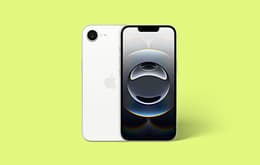
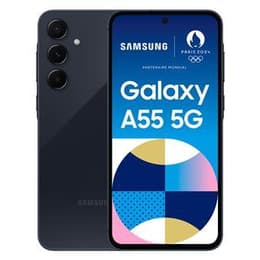
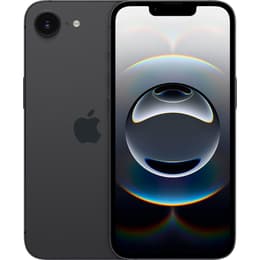
The Samsung Galaxy A55 (2024) and the Apple iPhone 16E (2025) are both modern smartphones that offer distinct user experiences. The Galaxy A55 operates on the Android platform, known for its extensive customization options and open ecosystem, while the iPhone 16E runs on Apple's iOS, recognized for its integrated services and streamlined interface. A primary distinction between these two devices lies in their core operating systems and the ecosystems they support, alongside variations in display technology and camera approaches.
Colour
Storage
The expected lifespan of a smartphone is influenced by its physical resilience and the duration of its software support. The Galaxy A55, released in 2024, typically receives several years of Android OS updates and security patches, ensuring its functionality and security for a practical duration. The iPhone 16E, launched in late 2025, benefits from Apple's reputation for extended software support, often receiving iOS updates for six to seven years from its release, which can significantly prolong its usable life.
Year of Release
OS
Foldable
Both the Galaxy A55 and the iPhone 16E are designed to handle daily tasks and more demanding applications, though their approaches to processing power differ. The Galaxy A55 is equipped with a capable current-generation processor that manages multitasking and gaming smoothly, supported by ample RAM options, contributing to a responsive user experience. The iPhone 16E, on the other hand, leverages a highly optimized chip, providing a very fluid and immediate response across its operating system and applications, even with intensive workloads.
The visual experience on both devices is a key aspect of user interaction, with each offering distinct display characteristics. The Galaxy A55 features a larger Super AMOLED display, known for its vibrant colors, deep blacks, and excellent contrast, along with a high refresh rate for smoother scrolling and animations. The iPhone 16E provides a slightly smaller Super Retina XDR OLED display, which delivers excellent color accuracy, sharp details, and impressive brightness, though typically with a standard refresh rate.
Resolution
When it comes to capturing moments and consuming media, both smartphones offer capable systems with different strengths. The Galaxy A55 features a versatile triple-camera setup, providing options for wide-angle and macro photography, alongside a high-resolution main sensor that captures detailed images. The iPhone 16E focuses on computational photography with its dual-camera system, known for consistent image quality, excellent color reproduction, and strong video capabilities across various scenarios.
Front camera
Beyond core features, several practical elements contribute to the overall user experience and device utility. The Galaxy A55 includes expandable storage via a microSD card slot, a significant advantage for users who require more space for media and applications, a feature not present on the iPhone 16E. Both devices support modern connectivity standards, ensuring fast data speeds and reliable wireless connections for internet access and peripheral pairing.
Weight
Screen size (in)
Mobile network
SIM card
Carrier compatibility
Connector
User feedback for the Galaxy A55 often praises its vibrant Super AMOLED display, reliable battery life that can last through a full day of heavy use, and the practical flexibility offered by its expandable storage. Some users, however, occasionally note that its processor, while capable for most tasks, might not match the raw speed and long-term performance headroom of higher-end devices. The iPhone 16E is frequently lauded for its consistent and fluid performance, Apple's commitment to long-term software support, and the overall quality of its camera system, particularly for video recording and computational photography. Criticisms sometimes point to its standard refresh rate display, which might feel less smooth than higher-refresh-rate competitors, and the absence of expandable storage.
Users prioritizing a larger, high-refresh-rate display, the flexibility of expandable storage, and the open customization options of the Android ecosystem may find the Galaxy A55 well-suited to their needs. Conversely, users who value a highly optimized operating system, extended software longevity, strong video capabilities, and a more compact design with robust facial recognition might lean toward the iPhone 16E. Both devices offer a compelling smartphone experience, and choosing between them often comes down to individual preferences regarding operating system, display characteristics, and specific feature priorities. For those considering either of these models, exploring quality-assured refurbished options can provide a sustainable choice, extending the life of these devices.