Galaxy S20 5G Vs iPhone SE (2020)

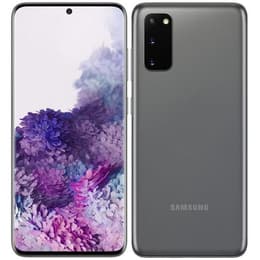
Galaxy S20 5G
Galaxy S20 5G
Starting at

Refurbished price:£132.00

Versus £899.00 new

See options
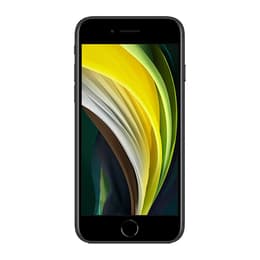
iPhone SE (2020)
iPhone SE (2020)
Starting at

Refurbished price:£67.00

Versus £289.00 new

See options

Ratings

The Samsung Galaxy S20 5G and the iPhone SE (2020) represent two distinct approaches to smartphone design from the same release year. While the Galaxy S20 5G was launched as a high-end flagship featuring a large, edge-to-edge display and multiple camera lenses, the iPhone SE (2020) arrived as a compact alternative that prioritised a familiar design with a physical home button. These devices run on different operating systems—Android and iOS respectively—offering users a choice between Samsung’s customisable interface and Apple’s streamlined software experience.

Despite their shared age, the hardware philosophies differ significantly. The Galaxy S20 5G focuses on providing a modern, immersive viewing experience with high-speed connectivity, whereas the iPhone SE (2020) focuses on portability and the longevity of the Apple ecosystem. This comparison explores how these differences impact daily use for different types of smartphone users.

Scores

Durability

Both smartphones entered the market in early 2020, making them established models in the current landscape with different expectations for future use.

  • Software Longevity: The iPhone SE typically benefits from Apple's long-term update policy, often receiving system updates for six years or more from its launch date. In contrast, the Galaxy S20 5G has a more defined support window that usually concludes after four years of security patches, meaning it may not receive the latest operating system features as long as its competitor.
  • Build and Repair: Both devices feature glass and metal constructions that require careful handling, though the Galaxy S20 5G includes more advanced water resistance ratings. Repairing these models is relatively straightforward through professional services due to the widespread availability of components for such popular brands.
  • Practical Lifespan: Users can expect the iPhone SE to remain compatible with the latest applications for a longer period due to its software cycle. However, the Galaxy S20 5G offers hardware features like 5G connectivity that help it stay relevant as mobile networks continue to evolve.

Year of Release

2020

2020

Compatible with latest Update

No

Yes

OS

Android

iOS

Foldable

No

No

Performance

These devices handle daily tasks with different levels of efficiency based on their internal hardware and memory management strategies.

  • System Responsiveness: The Galaxy S20 5G excels in multitasking and demanding workflows because it contains a significantly higher amount of temporary memory (RAM). This allows users to switch between many open apps without lag. The iPhone SE provides a very smooth experience for single-tasking and standard apps, though it may refresh background apps more frequently due to having less memory.
  • Battery and Charging: With a much larger internal battery capacity, the Galaxy S20 5G is better suited for users who spend long days away from a power outlet. The iPhone SE has a smaller battery that aligns with its compact frame, often requiring a mid-day charge for those who use their phone heavily for video streaming or navigation.
  • Storage Flexibility: The Galaxy S20 5G offers the advantage of expandable storage via a card slot, allowing users to add more space for photos and files later. The iPhone SE relies on fixed internal capacities, meaning users must decide on their storage needs at the point of purchase without the option to upgrade later.

Memory (GB)

12 GB

3 GB

Screen quality

The viewing experience is perhaps the most significant point of contrast between these two 2020 models, affecting everything from reading text to watching videos.

  • Display Technology: The Galaxy S20 5G uses an advanced organic light-emitting diode (OLED) panel that produces deep blacks and high contrast, making it ideal for watching films. In contrast, the iPhone SE uses a traditional liquid crystal display (LCD) which offers natural colours but lacks the same level of depth and vibrancy found on the Samsung.
  • Smoothness and Motion: A standout feature of the Galaxy S20 5G is its high refresh rate, which makes scrolling through social media and system menus appear incredibly fluid. The iPhone SE maintains a standard refresh rate that feels consistent and reliable but lacks that extra level of visual smoothness during fast movement.
  • Size and Clarity: The Galaxy S20 5G provides a much larger and sharper viewing area with minimal borders, offering a more immersive experience. The iPhone SE features a smaller screen with significant borders at the top and bottom, catering specifically to those who prefer a device that is easy to navigate entirely with one hand.

Resolution

1440 x 3200

750 x 1334

Screen type

Dynamic AMOLED 2X

Retina IPS LCD

Audiovisual

Photography and media consumption habits will likely dictate which of these devices feels more capable for a user's specific lifestyle.

  • Camera Versatility: The Galaxy S20 5G features a triple-lens system including a dedicated zoom lens and an ultra-wide lens, giving users more creative freedom when capturing landscapes or distant subjects. The iPhone SE uses a single-lens approach that focuses on simplicity and high-quality processing for standard everyday photos.
  • Video Capabilities: Both phones are capable of recording high-definition video with great stability, but the Galaxy S20 5G offers higher maximum resolutions for those who want to capture extreme detail. The iPhone SE is often praised for its consistent skin tones and natural-looking video transitions, making it a favourite for quick social media clips.
  • Audio Experience: Both devices provide stereo sound through dual speakers, though the larger body of the Galaxy S20 5G allows for a slightly fuller sound profile with more bass. Neither device includes a traditional headphone jack, requiring the use of adapters or wireless headphones for private listening.

Main camera

12 megapixels

12 megapixels

Front camera

10 megapixels

7 megapixels

Miscellaneous

Beyond the core specifications, the physical handling and connectivity of these devices differ greatly in practical daily scenarios.

  • Network Connectivity: As the name suggests, the Galaxy S20 5G is compatible with the latest high-speed mobile networks, providing faster download speeds in supported areas. The iPhone SE (2020) is limited to 4G networks, which remains sufficient for most tasks but lacks the future-proofing for next-generation mobile speeds.
  • Security and Access: The iPhone SE retains the classic Touch ID fingerprint sensor built into the home button, which many users find reliable and tactile. The Galaxy S20 5G uses an ultrasonic fingerprint sensor hidden beneath the glass of the screen, offering a more modern look but sometimes requiring more precise finger placement.
  • Portability and Build: The iPhone SE is one of the lightest and smallest smartphones available from its era, making it perfect for small pockets and easy handling. The Galaxy S20 5G is taller and heavier but uses its space efficiently to provide a much larger screen-to-body ratio, making it feel like a more modern piece of technology.

Weight

163 g

148 g

Screen size (in)

6.2

4.7

Mobile network

5G

4G

SIM card

Dual Physical SIM

Physical SIM + eSIM

Carrier compatibility

Unlocked

Unlocked

Connector

USB-C

Lightning

The Samsung Galaxy S20 5G and the iPhone SE (2020) cater to very different user preferences despite being contemporaries. According to user discussions on community forums, the Galaxy S20 5G is frequently lauded for its stunning display and the versatility of its camera system, though some users note that the battery can drain quickly when using the high refresh rate setting. The iPhone SE (2020) receives praise for its compact size and the longevity of its software support, though the most common criticism involves its relatively short battery life and dated design with large screen borders.

Users who prioritise media consumption, mobile gaming, and photography will likely find the Galaxy S20 5G to be the more suitable choice due to its superior screen and multiple lenses. Conversely, those who value simplicity, long-term software updates, and a device that is easy to use with one hand will lean toward the iPhone SE. Choosing a quality-assured refurbished option for either of these models is an excellent way to access these features while making a sustainable choice. Both devices remain capable performers in 2026, and opting for a refurbished version ensures you receive a thoroughly tested device that reduces electronic waste. Ultimately, the decision rests on whether you prefer the feature-rich, large-screen experience of Samsung or the compact, reliable ecosystem of Apple.

See all articles

Our recent comparisons