Galaxy S20 5G Vs iPhone 12

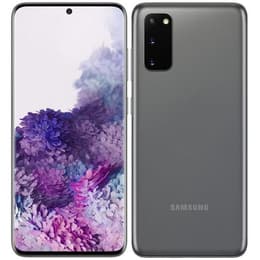
Galaxy S20 5G
Galaxy S20 5G
Starting at

Refurbished price:£132.00

Versus £899.00 new

See options
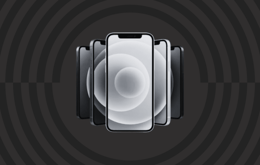
iPhone 12
iPhone 12
Starting at

Refurbished price:£141.00

Versus £649.00 new

See options

Ratings

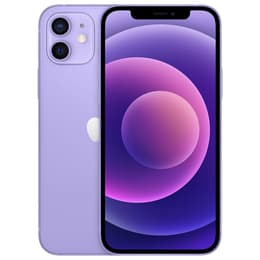
The Samsung Galaxy S20 5G and the Apple iPhone 12 both arrived in 2020, marking a significant shift toward 5G connectivity for both manufacturers. While they were released in the same year, they offer distinct philosophies regarding hardware and software. The Galaxy S20 5G focuses on display fluidity and expandable hardware, whereas the iPhone 12 prioritises a streamlined user experience and long-term software integration. Operating on Android and iOS respectively, these devices cater to different digital ecosystems, each providing a unique set of tools for daily productivity and entertainment.

Scores

Durability

Both smartphones are designed to withstand daily wear, but their long-term viability differs based on software support and physical construction.

  • Software Longevity: The iPhone 12 typically receives operating system updates for a longer duration, often spanning six to seven years from its release, ensuring it remains compatible with the latest apps. The Galaxy S20 5G follows a different update schedule, generally offering four years of security support, which means it may reach its software ceiling sooner than its counterpart.
  • Physical Resilience: The iPhone 12 introduced a specialised glass-ceramic blend for its front cover, designed to improve drop resistance, while the Galaxy S20 5G uses a well-regarded toughened glass. Both devices carry high water and dust resistance ratings, making them suitable for use in various environments.
  • Repairability and Sustainability: Choosing a quality-assured refurbished option is a practical way to extend the lifespan of these devices. Both models have established repair networks, though the internal layout of the Galaxy S20 5G allows for certain modular repairs, while the iPhone 12 is known for its widely available replacement components.

Year of Release

2020

2020

Compatible with latest Update

No

Yes

OS

Android

iOS

Foldable

No

No

Performance

In everyday use, both devices handle demanding tasks with ease, though they manage resources like memory and power differently.

  • Multitasking and Memory: The Galaxy S20 5G is equipped with a high amount of temporary memory, which allows users to keep many apps open simultaneously without the system closing them. This makes it particularly effective for power users who frequently switch between intensive work tools. The iPhone 12 uses less memory but relies on highly efficient software to ensure that transitions remain fluid and responsive.
  • Storage Flexibility: Users who store large amounts of high-resolution media locally will appreciate the Galaxy S20 5G's ability to accept external memory cards. The iPhone 12 relies solely on internal storage, requiring users to select their capacity carefully at the point of purchase or utilise cloud services for extra space.
  • Battery Management: The Galaxy S20 5G houses a physically larger battery to support its high-performance screen, while the iPhone 12 uses a smaller cell that is optimised for its specific hardware. In real-world scenarios, both typically last through a standard workday, though heavy 5G usage will necessitate more frequent charging for both models.

Memory (GB)

12 GB

4 GB

Screen quality

The viewing experience is one of the most noticeable differences between these two 2020 flagships, affecting everything from scrolling to movie watching.

  • Motion Smoothness: The Galaxy S20 5G features a high refresh rate display, which means the image updates twice as fast as a standard screen. This results in incredibly smooth scrolling and more responsive animations during gaming. The iPhone 12 uses a standard refresh rate, which provides a consistent and familiar feel but lacks the fluid motion found on the Samsung.
  • Display Technology: Both phones utilise advanced light-emitting diode technology that provides deep blacks and high contrast. The iPhone 12 features a flat screen design that many find easier to grip without accidental touches, whereas the Galaxy S20 5G has slightly curved edges that create a more immersive, edge-to-edge appearance.
  • Clarity and Brightness: Each device offers high pixel density, ensuring that text looks sharp and images appear detailed. They both reach high brightness levels, making them legible even when used outdoors under direct sunlight, though the Samsung offers slightly more customisation over colour profiles.

Resolution

1440 x 3200

1170 x 2532

Screen type

Dynamic AMOLED 2X

Super Retina XDR OLED

Audiovisual

For photography and media consumption, these devices offer different strengths in lens variety and processing styles.

  • Camera Versatility: The Galaxy S20 5G includes a dedicated telephoto lens, allowing for clearer zoomed-in photos of distant subjects. The iPhone 12 sticks to a dual-lens setup, focusing on a wide and ultra-wide perspective, which is excellent for landscapes and group shots but lacks the same reach for close-ups.
  • Video and Audio Recording: The iPhone 12 is frequently praised for its video stabilisation and the natural look of its footage, making it a favourite for social media creators. The Galaxy S20 5G offers higher maximum video resolution, which provides more detail for those who like to crop into their footage later. Both devices feature high-quality microphones that filter out background noise effectively during calls.
  • Speaker Performance: Both smartphones feature stereo speakers that provide a clear and balanced sound for watching videos or listening to podcasts. The iPhone 12 tends to offer a slightly fuller sound at higher volumes, while the Galaxy S20 5G provides a wide soundstage that complements its immersive screen.

Main camera

12 megapixels

12 megapixels

Front camera

10 megapixels

12 megapixels

Miscellaneous

Beyond the core specs, the physical handling and connectivity of these devices influence daily comfort and convenience.

  • Biometric Security: The Galaxy S20 5G uses a sensor hidden beneath the glass to read fingerprints, allowing for quick unlocking even when wearing a mask. The iPhone 12 uses advanced facial recognition technology, which is highly secure and integrates seamlessly with saved passwords and banking apps.
  • Charging and Connectivity: The Galaxy S20 5G uses the universal USB-C standard, making it compatible with most modern laptop and tablet chargers. The iPhone 12 uses a proprietary port but introduces magnetic alignment for wireless charging, which ensures the device is always perfectly positioned for the most efficient power transfer.
  • Portability and Build: The iPhone 12 has a distinct flat-edged design that feels very secure in the hand, while the Galaxy S20 5G is slightly narrower and taller, making it easier to use with one hand for some users. Both are relatively lightweight compared to more recent models, making them comfortable for long periods of use.

Weight

163 g

164 g

Width

6,91 cm

7.15 cm

Height

15,17 cm

14.67 cm

Depth

0,79 cm

0.74 cm

Screen size (in)

6.2

6.1

Mobile network

5G

5G

SIM card

Dual Physical SIM

Physical SIM + eSIM

Carrier compatibility

Unlocked

Unlocked

Connector

USB-C

Lightning

Public sentiment on community forums highlights that the Galaxy S20 5G is still beloved for its smooth display and the flexibility of its expandable storage. However, some users note that the battery can drain quickly when the high refresh rate is active. Conversely, iPhone 12 users often praise the device's consistent performance and the quality of its video recording, though the lack of a high refresh rate screen is a common point of comparison for those looking at Android alternatives.

Users who prioritise a smooth visual experience and need the ability to expand their storage will find the Galaxy S20 5G well-suited to their needs. It remains a powerful tool for media consumption and heavy multitasking. On the other hand, users who value long-term software support, a flat design, and a highly reliable video camera may lean toward the iPhone 12. Both devices represent a significant step into the 5G era and continue to perform well for modern tasks.

Opting for an eco-friendly alternative through a sustainable choice like refurbishment ensures these high-quality smartphones stay in use longer, reducing electronic waste while providing a reliable mobile experience. Ultimately, the choice depends on whether you prefer the customisable nature of the Samsung or the integrated simplicity of the Apple ecosystem. Both models offer a balanced mix of features that remain relevant for today's mobile users.

See all articles

Our recent comparisons