
Samsung
Compare models
Differences at a glance
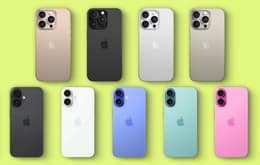
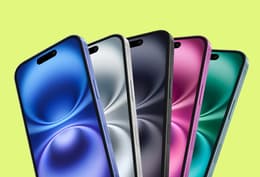
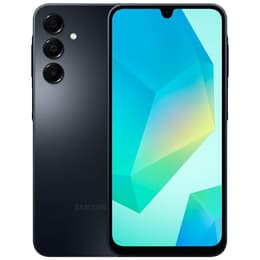
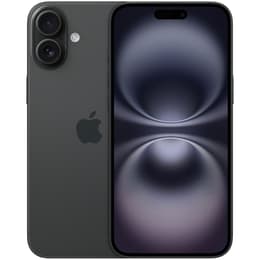
The Samsung Galaxy A16, released in late 2024 and early 2025, and the iPhone 16 Plus, launched in September 2024, represent distinct approaches to modern smartphone design and functionality. While the Galaxy A16 offers a feature-rich Android experience, the iPhone 16 Plus provides Apple's premium iOS ecosystem. These devices cater to different user priorities, with key differences in their operating systems, performance capabilities, and camera systems.
Colour
Storage
The longevity of a smartphone is significantly influenced by its software support and physical resilience. Both devices offer substantial support, though their approaches differ.
Year of Release
Compatible with latest Update
Foldable
Performance is a critical differentiator, impacting how smoothly applications run and how efficiently daily tasks are handled. The two devices are designed for different performance expectations.
The display is a primary interface for user interaction, and both devices offer distinct visual experiences tailored to their respective segments.
Resolution
Screen type
Camera capabilities are a significant factor for many users, and both smartphones offer versatile systems, albeit with different strengths.
Main camera
Front camera
Beyond core features, several practical elements contribute to the overall user experience and daily usability of a smartphone.
Weight
Screen size (in)
Mobile network
SIM card
Carrier compatibility
Connector
Choosing between the Samsung Galaxy A16 and the iPhone 16 Plus involves weighing different priorities and ecosystems. The iPhone 16 Plus is often praised by users for its powerful performance, particularly with its A18 chip, which handles demanding tasks and new AI features efficiently. Its advanced camera system, including Spatial Video capabilities and a versatile dual-lens setup, receives positive feedback for image and video quality. Users also appreciate the premium build quality and the long-term software support that Apple typically provides. However, some users might note the absence of a high refresh rate display and the lack of expandable storage as potential limitations.
The Samsung Galaxy A16, on the other hand, is frequently highlighted for its impressive software update commitment, offering six years of updates, which is a significant advantage for users seeking long-term device usability. Its Super AMOLED display with a 90Hz refresh rate provides a smooth visual experience for everyday interactions. The inclusion of a microSD card slot for expandable storage is a practical benefit for those who need ample space for media and files. While its processing power is well-suited for daily tasks and light usage, power users might find it less capable than higher-end devices. The camera system is generally considered competent for daylight photography.
Users prioritizing a high-performance device with a premium build, advanced camera features, and the iOS ecosystem will find the iPhone 16 Plus well-suited to their needs. Conversely, individuals who value extended software support, a smooth high-refresh-rate display, expandable storage, and the flexibility of the Android ecosystem may lean towards the Galaxy A16. Both devices offer compelling features within their respective categories, and considering a quality-assured refurbished option for either model can be an eco-friendly alternative for making an informed choice.