
Galaxy Z Fold4 Vs iPhone 14 Pro

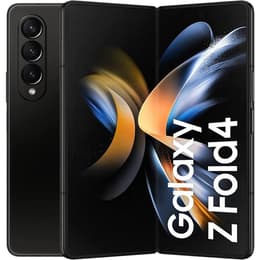
Galaxy Z Fold4
Galaxy Z Fold4
Starting at

Refurbished price:£352.00

Versus £1,889.00 new

See options
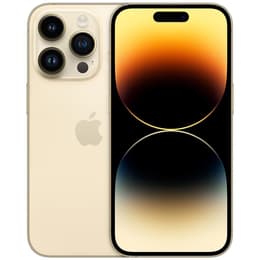
iPhone 14 Pro
iPhone 14 Pro
Starting at

Refurbished price:£304.00

Versus £1,099.00 new

See options

Ratings

The Samsung Galaxy Z Fold4 and the Apple iPhone 14 Pro, both released in late 2022, represent two distinct philosophies in the modern smartphone market. While the Galaxy Z Fold4 is a pioneering foldable device that transforms from a standard phone into a small tablet, the iPhone 14 Pro remains a refined example of the traditional slab smartphone design. These devices run on fundamentally different operating systems—Android and iOS respectively—offering unique ecosystems for users to navigate their daily digital tasks.

The primary differentiator lies in their physical form: one prioritises a massive, flexible workspace for multitasking, while the other focuses on a compact, high-performance experience with a focus on photography and software integration. Both models were flagship offerings at launch, meaning they contain the high-end internals expected of premium mobile technology from their era.

Scores

Durability

The Galaxy Z Fold4 and iPhone 14 Pro offer different approaches to longevity and physical resilience, influenced by their release timelines and construction.

  • Software Support: The iPhone 14 Pro typically receives operating system updates for six to seven years from its launch date, providing a long functional life for users who keep their devices for several years. The Galaxy Z Fold4 is supported with four years of major software updates and five years of security patches, ensuring it remains relevant and secure for a significant period.
  • Physical Construction: The iPhone 14 Pro features a stainless steel frame and a glass back, offering a rigid and familiar structure that is relatively straightforward to protect with a case. In contrast, the Galaxy Z Fold4 uses a complex hinge mechanism and a flexible internal screen; while engineered for thousands of folds, it contains more moving parts than a traditional phone, which may influence long-term durability.
  • Sustainability: Choosing a quality-assured refurbished option for either model can extend the lifecycle of these high-performance machines while reducing electronic waste, making them a more sustainable choice for the environmentally conscious consumer.

Year of Release

2022

2022

Compatible with latest Update

Yes

Yes

OS

Android

iOS

Foldable

Yes

No

Performance

Both devices are designed to handle demanding workloads, though they excel in different types of user interactions and multitasking scenarios.

  • Multitasking Capabilities: The Galaxy Z Fold4 is built for productivity, allowing users to run up to three applications simultaneously on its large internal screen. This makes it well-suited for professionals who need to reference documents while on video calls or manage multiple chat apps at once. The iPhone 14 Pro focuses on seamless transitions and high responsiveness within individual apps, providing a fluid experience for social media, navigation, and high-end mobile gaming.
  • Battery and Efficiency: The iPhone 14 Pro is noted for its efficient power management, often lasting through a full day of heavy use despite having a physically smaller battery. The Galaxy Z Fold4 carries a larger battery capacity to support its two displays, though the power draw of the expansive internal screen means heavy users may need to charge more frequently than they would with a standard device.
  • Storage Options: Both models offer a wide range of internal storage capacities, reaching up to 1TB, which is ideal for users who store large video files, extensive photo libraries, or heavy applications locally without relying on cloud storage.

Memory (GB)

12 GB

6 GB

Screen quality

The display technology is the most significant point of divergence between these two 2022 flagships, catering to very different visual preferences.

  • Display Versatility: The Galaxy Z Fold4 features two distinct screens: a 6.2-inch external display for quick tasks and a massive 7.6-inch internal AMOLED display for immersive viewing. This larger canvas is excellent for reading long-form articles or editing spreadsheets. The iPhone 14 Pro uses a 6.1-inch OLED display that provides exceptional color accuracy and clarity, making it a favorite for those who prioritize photo and video review on a traditional screen.
  • Brightness and Smoothness: Both devices offer high refresh rates of up to 120Hz, which makes scrolling through lists and animations appear very smooth. They also feature high peak brightness levels, ensuring that the screens remain legible even under direct sunlight during outdoor use, which is essential for travelers and outdoor professionals.
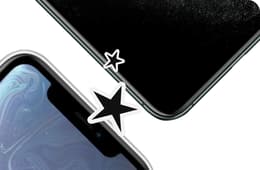
  • User Interface Features: The iPhone 14 Pro introduces a dynamic interface element at the top of the screen that changes shape to show notifications and background activity, while the Galaxy Z Fold4 uses an under-display camera on the main screen to provide an uninterrupted viewing area for movies and games.

Resolution

1812 x 2176

1179 x 2556

Screen type

Foldable Dynamic AMOLED 2X

LTPO Super Retina XDR OLED

Audiovisual

Photography and media consumption are central to both the Galaxy Z Fold4 and the iPhone 14 Pro, though their hardware configurations differ.

  • Camera Systems: The iPhone 14 Pro features a triple-lens system with a high-resolution main sensor that captures intricate detail in various lighting conditions. It is particularly noted for its natural skin tones and consistent performance across all lenses. The Galaxy Z Fold4 also utilizes a triple-lens array, offering a versatile range of focal lengths, including a powerful zoom that allows users to capture subjects from a distance with clarity.
  • Video Recording: For users who frequently record video, the iPhone 14 Pro offers advanced stabilization and a dedicated mode for creating a shallow depth-of-field effect, similar to a professional cinema camera. The Galaxy Z Fold4 provides high-quality video recording as well, with the added benefit of using the device's folding design as a built-in tripod for steady shots or hands-free video calls.
  • Audio Experience: Both smartphones feature stereo speakers that deliver clear and balanced sound for watching movies or listening to podcasts. The Galaxy Z Fold4's wider frame when unfolded allows for greater separation between speakers, creating a slightly more expansive soundstage when held in landscape mode compared to the more compact iPhone.

Main camera

50 megapixels

48 megapixels

Front camera

4 megapixels

12 megapixels

Miscellaneous

Beyond the core specifications, the physical handling, connectivity, and security features of these devices impact daily comfort and utility.

  • Form Factor and Weight: The Galaxy Z Fold4 is significantly heavier and thicker than the iPhone 14 Pro, especially when folded. Users who prefer one-handed use or slim pockets may find the iPhone more convenient, while those who value a tablet-like experience will find the Fold4's weight a fair trade-off for the extra screen real estate.
  • Connectivity and Ports: The Galaxy Z Fold4 uses a USB-C port, which is a common standard for many modern electronics, allowing for easy charging with various cables. The iPhone 14 Pro uses a Lightning port, which is specific to the Apple ecosystem. Both support 5G connectivity for fast mobile data speeds in supported areas, ensuring they are ready for modern network standards.
  • Biometric Security: The iPhone 14 Pro relies on facial recognition technology for secure unlocking, which works effectively even in low light or while wearing glasses. The Galaxy Z Fold4 uses a fingerprint sensor built into the power button on the side, allowing for quick access whether the device is open or closed, which some users find more practical in certain environments.

Weight

263 g

206 g

Screen size (in)

7.6

6.1

Mobile network

5G

5G

SIM card

Dual Physical SIM + eSIM

Physical SIM + eSIM

Carrier compatibility

Unlocked

Unlocked

User consensus on these two devices highlights their specific strengths and trade-offs. Owners of the Galaxy Z Fold4 frequently praise the unique utility of the large internal screen for work and media, though some note that the narrow external screen takes time to get used to for typing. iPhone 14 Pro users often cite the device's reliability, the high quality of the camera system, and the intuitive nature of the software as its primary benefits, while some mention that the design feels very similar to previous generations.

Users who prioritize productivity, heavy multitasking, and a large screen for media consumption may find the Galaxy Z Fold4 to be the more suitable choice for their lifestyle. Conversely, users who prefer a more compact, traditional smartphone with a focus on high-end photography and a long-term software commitment will likely lean toward the iPhone 14 Pro. For those looking to make a sustainable choice, opting for an eco-friendly alternative through refurbishment ensures these high-end devices continue to provide utility without the environmental impact of producing a new unit. Ultimately, the decision rests on whether a user values the innovative versatility of a foldable screen or the refined, consistent performance of a classic flagship.

See all articles

Our recent comparisons