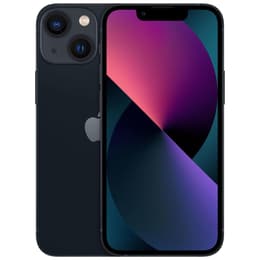

Google Pixel 6 Vs iPhone 13 mini

Google Pixel 6
Google Pixel 6
Starting at

Refurbished price:£101.00

Versus £649.99 new

See options
iPhone 13 mini
iPhone 13 mini
Starting at

Refurbished price:£186.00

Versus £649.00 new

See options

Ratings

The Google Pixel 6 and the iPhone 13 Mini, both released in late 2021, represent two very different philosophies in the smartphone market. While the Pixel 6 serves as a large-format device showcasing Google’s vision for Android, the iPhone 13 Mini is a compact powerhouse running Apple’s iOS. The primary differentiator between these two models is their physical footprint and the software ecosystems they inhabit. Choosing between them often comes down to a preference for screen real estate versus one-handed usability.

Scores

Durability

Both devices were launched in the latter half of 2021, making them established options in the current market for those seeking reliable technology.

  • Software Longevity: The iPhone 13 Mini typically benefits from Apple's long-term support, often receiving system updates for six to seven years from its release date. The Google Pixel 6 was committed to three years of major system updates and five years of security patches, meaning it is approaching the final stages of its guaranteed security support.
  • Physical Resilience: Both phones feature glass and aluminium constructions with high water and dust resistance ratings. Choosing a quality-assured refurbished option for either model can extend the lifecycle of these devices significantly while supporting environmental sustainability.
  • Repairability: These models are designed with professional servicing in mind. While the iPhone 13 Mini has a more intricate internal layout due to its size, the Pixel 6 offers a more modular approach for certain components like the screen.

Year of Release

2021

2021

Compatible with latest Update

Yes

Yes

OS

Android

iOS

Foldable

No

No

Performance

Despite their age, both smartphones remain highly capable for modern applications and multitasking without significant slowdowns.

  • System Responsiveness: The Pixel 6 provides a fluid experience with unique features like real-time voice transcription and smart call handling. The iPhone 13 Mini is exceptionally efficient, launching apps instantly and maintaining smooth performance even when switching between demanding tasks like video editing.
  • Battery Endurance: Due to its larger physical size, the Pixel 6 houses a much higher capacity battery that generally lasts through a full day of mixed usage. The iPhone 13 Mini, being significantly smaller, has a more modest battery that may require a top-up in the evening for heavy users.
  • Storage and Memory: Both devices offer 128GB as a standard starting point for files. The Pixel 6 includes more temporary memory to handle Android's multitasking needs, while the iPhone 13 Mini uses its memory more conservatively due to efficient software management.

Memory (GB)

8 GB

4 GB

Screen quality

The viewing experience differs significantly due to the physical dimensions and the technology used to drive the displays on each handset.

  • Display Technology: Both phones use OLED technology, which provides deep blacks and high contrast for vibrant visuals. The Pixel 6 features a larger 6.4-inch screen, whereas the iPhone 13 Mini offers a 5.4-inch display, which is much easier to navigate with a single thumb.
  • Motion Smoothness: The Pixel 6 has a higher refresh rate, meaning the screen updates 90 times per second for smoother scrolling. The iPhone 13 Mini sticks to a standard 60 updates per second, which is consistent and clear but lacks the extra fluidity found on the Google device.
  • Outdoor Visibility: Both screens are engineered to be bright enough for use in direct sunlight. The iPhone 13 Mini maintains excellent clarity in bright conditions, while the Pixel 6 offers a larger canvas that reduces the need for zooming.

Resolution

1080 x 2400

1080 x 2340

Screen type

AMOLED

Super Retina XDR OLED

Audiovisual

Photography and media consumption are highlights for both devices, though they excel in different areas of the creative process.

  • Camera Capabilities: The Pixel 6 is renowned for its still photography, using advanced software to produce detailed images with high dynamic range. The iPhone 13 Mini provides a very reliable camera system that produces natural-looking colours and is widely considered to offer more stable and consistent video recording.
  • Low-Light Performance: Both smartphones feature dedicated modes for night-time photography. The Pixel 6 often pulls more detail out of very dark scenes, while the iPhone 13 Mini focuses on maintaining a realistic atmosphere with minimal grain in the shadows.
  • Audio Experience: Each device features stereo speakers that provide a clear soundstage. The Pixel 6's larger body allows for a slightly fuller sound with more resonance, while the iPhone 13 Mini delivers surprisingly crisp audio for such a small frame.

Main camera

50 megapixels

12 megapixels

Front camera

8 megapixels

12 megapixels

Miscellaneous

Practical daily interactions are shaped by the physical design and the specific hardware features of each model in various environments.

  • Biometric Security: The Pixel 6 uses a fingerprint sensor built directly into the display for unlocking. In contrast, the iPhone 13 Mini utilises facial recognition technology, which many users find more seamless for hands-free unlocking, though it requires a clear view of the face.
  • Connectivity and Ports: Both phones support 5G for fast mobile data speeds. The Pixel 6 uses the universal USB-C port for charging, compatible with most modern cables, while the iPhone 13 Mini uses the proprietary Lightning port common across the Apple ecosystem.
  • Portability and Build: The iPhone 13 Mini is one of the lightest and smallest modern smartphones available, ideal for small pockets. The Pixel 6 is considerably heavier and wider, requiring a more deliberate grip but offering a more immersive experience.

Weight

207 g

140 g

Screen size (in)

6.4

5.4

Mobile network

5G

5G

SIM card

Physical SIM + eSIM

Physical SIM + eSIM

Carrier compatibility

Unlocked

Unlocked

User consensus on these two devices highlights a clear divide in priorities based on real-world feedback. On community forums, the iPhone 13 Mini is frequently praised for its unique size, with many users appreciating how easily it fits into a pocket or a small hand. However, some users note that the battery requires more frequent charging compared to larger models. The Google Pixel 6 is lauded for its helpful software features and excellent still camera, though some early users mentioned the fingerprint sensor could be less consistent than traditional physical buttons.

Users who prioritise a large, fluid screen for gaming and media, along with advanced photo editing tools, will likely find the Google Pixel 6 better suited to their needs. Conversely, those who value a compact, lightweight device that can be used effortlessly with one hand and integrates into the Apple ecosystem should lean toward the iPhone 13 Mini. Both of these smartphones are available as sustainable choices, providing an eco-friendly alternative to buying new. Choosing between them ultimately depends on whether you prefer the expansive, feature-rich experience of the Pixel or the compact, efficient reliability of the iPhone.


See all articles

Our recent comparisons