
Smartphones
Compare models
Differences at a glance
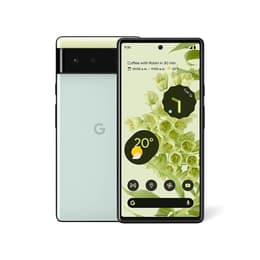
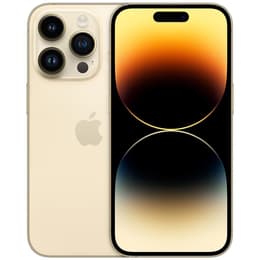
The Google Pixel 6, released in October 2021, and the iPhone 14 Pro, launched in September 2022, represent distinct approaches to the premium smartphone experience. The Pixel 6 operates on the Android platform, emphasizing Google's artificial intelligence and computational photography, while the iPhone 14 Pro runs on iOS, focusing on a tightly integrated ecosystem, robust performance, and advanced camera capabilities. These devices offer different user experiences, primarily distinguished by their operating systems and their respective strengths in imaging and processing power.
Colour
Storage
Comparing the longevity of these devices involves looking at their release timelines and expected software support. The Google Pixel 6, launched in October 2021, typically receives three years of major Android operating system updates and five years of security updates from its release date. This means its major OS updates likely concluded in late 2024, with security updates continuing until late 2026. In contrast, the iPhone 14 Pro, released in September 2022, generally benefits from a longer software support window, often receiving iOS updates for five to six years, potentially extending its practical lifespan until late 2027 or 2028.
Year of Release
Compatible with latest Update
OS
Foldable
The performance of these two smartphones is influenced by their respective internal architectures, impacting how they handle daily tasks and demanding applications. The Google Pixel 6 is equipped with Google's first-generation custom processor, designed to optimize AI and machine learning tasks directly on the device. The iPhone 14 Pro features a more recent generation processor, known for its significant power and efficiency.
The visual experience on these devices is shaped by their display technologies and features, catering to different preferences in size and fluidity. The Google Pixel 6 features a 6.4-inch OLED display, while the iPhone 14 Pro has a slightly smaller 6.1-inch Super Retina XDR OLED display.
Resolution
Screen type
Both the Google Pixel 6 and the iPhone 14 Pro are recognized for their advanced camera systems, though they approach imaging with different philosophies and hardware configurations.
Main camera
Front camera
Beyond core performance and display, several practical elements differentiate the user experience of the Google Pixel 6 and the iPhone 14 Pro.
Weight
Screen size (in)
Mobile network
SIM card
Carrier compatibility
Connector
User feedback on the Google Pixel 6 often highlights its exceptional camera capabilities, particularly its computational photography, and the clean, intuitive Android experience. Some users have noted concerns regarding the initial performance of its custom processor, including occasional heating under heavy load, and its slower charging speeds.
For the iPhone 14 Pro, common praise centers on its powerful performance, the versatility and quality of its camera system (especially for video), its vibrant display with the Dynamic Island feature, and the long-term software support provided by Apple. A frequent point of discussion among users has been the continued use of the Lightning port.
Users prioritizing a pure Android experience, advanced computational photography, and a slightly larger screen may find the Google Pixel 6 well-suited. Those who value top-tier performance, extended software longevity, advanced video capabilities, and a more compact device with Face ID might lean towards the iPhone 14 Pro. Both offer distinct advantages, and choosing depends on individual ecosystem preference and specific feature priorities. Exploring quality-assured refurbished options can provide a sustainable choice.