
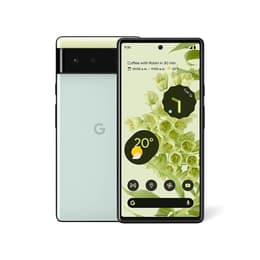
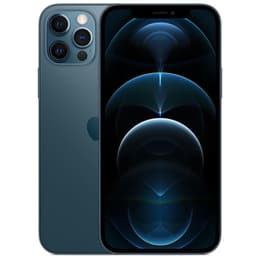

Google Pixel 6 Vs iPhone 12 Pro

Google Pixel 6
Google Pixel 6
Starting at

Refurbished price:£100.00

Versus £649.99 new

See options
iPhone 12 Pro
iPhone 12 Pro
Starting at

Refurbished price:£204.00

Versus £879.00 new

See options

Ratings

The Google Pixel 6, launched in late 2021, and the iPhone 12 Pro, released in late 2020, represent two distinct approaches to the modern smartphone experience. While the Pixel 6 showcases Google's vision for a highly integrated Android experience with a focus on intelligent software features, the iPhone 12 Pro offers Apple's refined hardware design and a versatile camera system. These devices cater to different ecosystems—Android and iOS respectively—meaning the choice often depends on a user's preference for software customisation versus a more locked-down, consistent interface. Both phones remain relevant today, offering high-end features that continue to serve professionals and casual users alike.

Scores

Durability

The longevity of these smartphones is determined by their release dates and the commitment of their manufacturers to provide software updates over several years.

  • Software Support: The iPhone 12 Pro, despite being a year older, typically benefits from Apple's long-term update cycle, which often extends six to seven years from the launch date. The Google Pixel 6 was one of the first to receive extended security support, though its major version updates are scheduled to conclude sooner than the iPhone's likely timeline.
  • Physical Build and Repair: Both devices feature glass and metal constructions that require careful handling. The iPhone 12 Pro uses a stainless steel frame which is highly resistant to structural damage, while the Pixel 6 uses an aluminium frame. Repairing these devices is possible through professional services, though the internal layouts differ significantly in complexity.
  • Practical Lifespan: Users can expect both phones to remain functional for several more years, provided the battery health is maintained. The iPhone 12 Pro has a slight edge in terms of total years of operating system updates remaining, while the Pixel 6 offers a more modern internal architecture that handles current apps with ease.

Year of Release

2021

2020

Compatible with latest Update

Yes

Yes

OS

Android

iOS

Foldable

No

No

Performance

Daily performance on both devices remains fluid, though they handle demanding tasks like high-end gaming and video processing with different levels of efficiency.

  • System Responsiveness: The Pixel 6 excels at intelligent tasks such as real-time voice-to-text and automated call screening, making it feel highly proactive. The iPhone 12 Pro provides a very consistent experience where apps open quickly and the interface remains smooth even when multiple background processes are running.
  • Multitasking and Memory: With ample memory for handling several apps at once, the Pixel 6 is well-suited for users who frequently switch between productivity tools. The iPhone 12 Pro manages its resources efficiently, ensuring that even with slightly less physical memory, the system rarely stutters during intensive use.
  • Battery Endurance: The Pixel 6 houses a larger physical battery which generally supports a full day of mixed usage for most people. The iPhone 12 Pro has a smaller battery but benefits from highly optimised software that manages power consumption effectively during standby periods.

Memory (GB)

8 GB

6 GB

Screen quality

The viewing experience differs primarily in terms of physical size and the smoothness of motion on the display.

  • Display Fluidity: The Pixel 6 features a higher refresh rate, which makes scrolling through social media feeds or navigating menus appear noticeably smoother than on the iPhone 12 Pro. This higher rate adjusts dynamically to help manage power consumption while providing a more responsive visual feel.
  • Clarity and Colour: Both phones utilise OLED technology, which ensures deep blacks and high contrast ratios for watching movies or viewing photos. The iPhone 12 Pro is known for its high peak brightness, making the screen easier to read when used outdoors under direct sunlight.
  • Size and Ergonomics: The 6.4-inch screen of the Pixel 6 offers more real estate for media consumption, whereas the 6.1-inch display of the iPhone 12 Pro makes the device more manageable for one-handed use and fits more easily into smaller pockets.

Resolution

1080 x 2400

1170 x 2532

Screen type

AMOLED

Super Retina XDR OLED

Audiovisual

Photography and video recording are central to both devices, though they offer different lens configurations and processing styles.

  • Camera Versatility: The iPhone 12 Pro includes a dedicated telephoto lens, allowing for clearer zoomed-in shots, which the Pixel 6 lacks. However, the Pixel 6 uses a high-resolution main sensor that captures significant detail and performs exceptionally well in challenging lighting conditions through software processing.
  • Video and Audio: For users who record a lot of video, the iPhone 12 Pro offers industry-standard recording formats that preserve a high level of detail and dynamic range. Both devices feature stereo speakers that provide clear audio, though the iPhone is often noted for having a slightly fuller sound profile at higher volumes.
  • Special Features: The Pixel 6 introduces unique tools like the ability to remove unwanted objects from photos directly in the gallery. The iPhone 12 Pro utilises a specialised sensor to assist with focus in low-light environments and to enable more accurate augmented reality applications.

Main camera

50 megapixels

12 megapixels

Front camera

8 megapixels

12 megapixels

Miscellaneous

Beyond the core specs, the physical design and connectivity options influence how these phones feel in daily life.

  • Biometrics and Security: The Pixel 6 uses a fingerprint sensor located under the display for unlocking, which some users find convenient while the phone is lying on a desk. The iPhone 12 Pro relies on facial recognition technology, which is generally faster for hands-free unlocking but requires a clear view of the user's face.
  • Connectivity and Ports: Both smartphones support 5G networks for fast mobile data speeds and include modern Wi-Fi and Bluetooth standards. The Pixel 6 uses the widely compatible USB-C port for charging, while the iPhone 12 Pro uses the proprietary Lightning connector.
  • Materials and Weight: The iPhone 12 Pro feels denser and more compact due to its stainless steel rails, whereas the Pixel 6 has a more distinct design for its camera bar which prevents the phone from wobbling when placed on a flat surface.

Weight

207 g

187 g

Screen size (in)

6.4

6.1

Mobile network

5G

5G

SIM card

Physical SIM + eSIM

Physical SIM + eSIM

Carrier compatibility

Unlocked

Unlocked

The choice between the Google Pixel 6 and the iPhone 12 Pro often comes down to a preference for specific features rather than raw power. According to user discussions on various tech forums, the Pixel 6 is frequently praised for its smart features and the quality of its still photography, particularly in how it handles skin tones and night shots. However, some users have noted that the fingerprint sensor can be less consistent than traditional physical sensors. On the other hand, the iPhone 12 Pro is lauded for its exceptional build quality and its reliability as a video recording tool. Some long-term users mention that the battery life can be a limitation for very heavy users compared to newer or larger models.

Users who prioritise a larger, smoother screen and helpful software automation will likely find the Pixel 6 to be a better fit for their needs. Conversely, those who prefer a more compact, durable design with a versatile triple-lens camera system may lean toward the iPhone 12 Pro. Both devices remain highly capable in 2026 and represent a sustainable choice when purchased as an eco-friendly alternative. By opting for a quality-assured refurbished option, consumers can access these high-end features while contributing to a reduction in electronic waste. Ultimately, both smartphones offer a premium experience that holds up well against more recent releases, providing a balance of performance and longevity for the conscious consumer.

See all articles

Our recent comparisons






