
Galaxy A33 5G Vs iPhone 14

Galaxy A33 5G
Galaxy A33 5G
Starting at

Refurbished price:£102.00

Versus £389.00 new

See options
iPhone 14
iPhone 14
Starting at

Refurbished price:£229.00

Versus £599.00 new

See options

Ratings

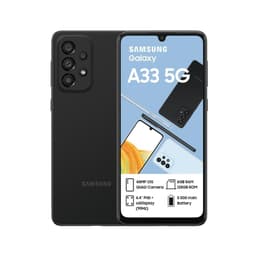
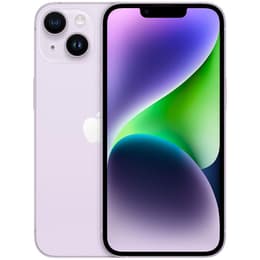
The Samsung Galaxy A33 5G and the Apple iPhone 14, both released in 2022, represent two distinct approaches to the modern smartphone experience. While the Galaxy A33 5G serves as a versatile mid-range option within the Android ecosystem, the iPhone 14 remains a core part of Apple flagship lineup running iOS. These devices differ significantly in their physical dimensions, display technology, and long-term software support, catering to different user priorities regarding customisation and ecosystem integration.

Scores

Durability

The longevity of these devices is defined by their release timing and the respective manufacturer commitment to software maintenance.

  • Software Support: The iPhone 14 is expected to receive operating system updates until approximately 2028 or 2029, providing a long functional life for users who value the latest features. The Galaxy A33 5G was launched with a promise of four generations of Android updates, meaning it is approaching the later stages of its primary software lifecycle by 2026.
  • Physical Resilience: Both phones feature dust and water resistance, though the iPhone 14 carries a slightly higher rating for submersion depth. The Galaxy A33 5G utilises a plastic frame and back which handles drops differently than the glass and aluminium construction of the iPhone 14.
  • Repairability: The Galaxy A33 5G is designed with a modular approach that often simplifies screen and battery replacements. The iPhone 14 introduced an internal redesign that makes the back glass easier to remove than previous models, though it still requires specific tools for internal components.

Year of Release

2022

2022

Compatible with latest Update

Yes

Yes

OS

Android

iOS

Foldable

No

No

Performance

Everyday responsiveness and multitasking capabilities vary between these two models based on their internal architecture and memory management.

  • Task Handling: The iPhone 14 manages demanding applications, such as high-resolution video editing and intensive gaming, with high efficiency and minimal lag. The Galaxy A33 5G is well-suited for standard daily activities like web browsing, social media, and streaming, though it may show slight delays when switching between many open apps.
  • Storage Flexibility: Users of the Galaxy A33 5G benefit from a microSD card slot, allowing for easy expansion of storage for photos and files. The iPhone 14 comes in fixed storage capacities, requiring users to select their needed space at the time of purchase or rely on cloud services.
  • Battery Endurance: The Galaxy A33 5G houses a physically larger battery designed to last through a full day of heavy use. The iPhone 14, while having a smaller battery capacity, uses highly efficient software integration to ensure it remains reliable for a standard day of work and communication.

Memory (GB)

6 GB

6 GB

Screen quality

The visual experience on these devices is shaped by different display technologies that prioritise either smoothness or colour accuracy.

  • Motion Smoothness: The Galaxy A33 5G features a 90Hz refresh rate, which makes scrolling through lists and navigating the interface appear fluid. The iPhone 14 maintains a standard 60Hz refresh rate, which is consistent but lacks the extra smoothness found on the Samsung model.
  • Display Technology: Both devices use OLED-based screens, ensuring deep blacks and high contrast. The iPhone 14 offers a Super Retina XDR display that reaches higher peak brightness levels, making it easier to view under direct sunlight compared to the Galaxy A33 5G.
  • Size and Clarity: With a 6.4-inch screen, the Galaxy A33 5G provides a larger canvas for media consumption. The iPhone 14 has a more compact 6.1-inch display, which contributes to a higher pixel density and sharper text for reading.

Resolution

1080 x 2400

1170 x 2532

Screen type

Super AMOLED

Super Retina XDR OLED

Audiovisual

Photography and media playback are handled with different hardware configurations that impact the final quality of captured memories.

  • Camera Versatility: The Galaxy A33 5G includes a four-lens system, featuring a dedicated macro lens for close-up photography and an ultra-wide sensor for landscapes. The iPhone 14 uses a dual-lens system that focuses on high-quality output from its main and ultra-wide sensors, particularly in challenging lighting conditions.
  • Video Capabilities: The iPhone 14 is frequently noted for its stable video recording and natural skin tones, including a specialised mode for cinematic focus shifts. The Galaxy A33 5G provides reliable 4K recording with optical image stabilisation on the main lens to reduce shakiness.
  • Audio Output: Both smartphones are equipped with stereo speakers that provide a clear listening experience for videos and calls. The iPhone 14 tends to offer a fuller sound profile with more noticeable bass, while the Galaxy A33 5G delivers clear dialogue and crisp high notes.

Main camera

48 megapixels

12 megapixels

Front camera

13 megapixels

12 megapixels

Miscellaneous

Practical design choices and connectivity standards influence how these devices fit into a user daily routine and existing accessory collection.

  • Physical Handling: The iPhone 14 is lighter and more compact, making it easier to operate with one hand for most users. The Galaxy A33 5G is slightly taller and wider, which may require two-handed use but offers more screen real estate for typing and viewing.
  • Ports and Charging: The Galaxy A33 5G uses the universal USB-C standard for charging and data transfer. The iPhone 14 features the Lightning port, which may require specific cables if the user is transitioning from other modern electronics.
  • Security Features: For biometric unlocking, the Galaxy A33 5G uses an optical fingerprint sensor located under the display. The iPhone 14 relies on facial recognition technology, which provides a hands-free way to secure the device and authorise payments.

Weight

186 g

172 g

Screen size (in)

6.4

6.1

Mobile network

5G

5G

SIM card

Dual Physical SIM

Physical SIM + eSIM

Carrier compatibility

Unlocked

Unlocked

Connector

USB-C

Lightning

User consensus for the Galaxy A33 5G often highlights its impressive battery life and the convenience of expandable storage, though some users note that the interface can occasionally feel less snappy during heavy multitasking. Conversely, the iPhone 14 receives praise for its consistent camera performance and the seamless way it interacts with other devices in the same ecosystem, while some feedback mentions the lack of a high-refresh-rate screen as a missed opportunity. Actual users frequently suggest that the choice between these two often comes down to a preference for the open nature of Android versus the structured environment of iOS.

Users who prioritise a larger screen for watching videos and the ability to add more storage via a memory card will find the Galaxy A33 5G well-suited to their needs. Those who prefer a more compact device with longer-term software support and high-quality video recording may lean toward the iPhone 14. For those looking to make a sustainable choice, opting for a quality-assured refurbished option is an eco-friendly alternative that ensures the device has been thoroughly tested for performance. Ultimately, both smartphones remain capable choices in 2026, offering reliable connectivity and modern features for a wide range of daily tasks.

See all articles

Our recent comparisons