
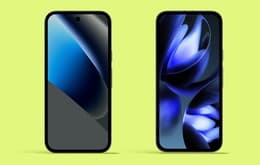
Google Pixel 9 Pro XL Vs iPhone 16 Pro

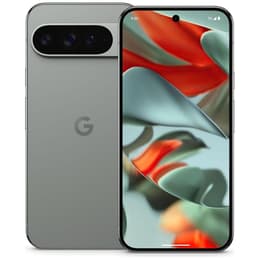
Google Pixel 9 Pro XL
Starting at

Refurbished price:£384.00

Versus £1,093.99 new

See options
iPhone 16 Pro
iPhone 16 Pro
Starting at

Refurbished price:£564.00

Versus £999.00 new

See options

Ratings

The Google Pixel 9 Pro XL, released in August 2024, and the iPhone 16 Pro, launched in September 2024, represent the pinnacle of their respective operating systems, Android and iOS. While both devices offer premium smartphone experiences, they differentiate themselves through their core philosophies: the Pixel 9 Pro XL emphasizes advanced AI integration and computational photography, running on Android, whereas the iPhone 16 Pro focuses on a refined ecosystem, raw performance, and a robust camera system within the iOS environment. These distinct approaches lead to variations in user experience, particularly in software interaction and camera output.

Scores

Durability

When considering the practical lifespan of these devices, both the Google Pixel 9 Pro XL and the iPhone 16 Pro offer substantial longevity, though their approaches to software support and physical construction differ.

  • Software Support: The Google Pixel 9 Pro XL is designed for extended software relevance, offering seven years of operating system updates from its August 2024 release. The iPhone 16 Pro, released in September 2024, was discontinued in September 2025 following the iPhone 17 launch, but Apple typically provides iOS updates for its devices for many years, ensuring continued functionality and security updates for a considerable period.
  • Physical Durability: Both smartphones feature robust builds. The Pixel 9 Pro XL is rated IP68 for dust and water resistance. The iPhone 16 Pro incorporates a titanium frame, a Ceramic Shield front, and a textured matte glass back, also carrying an IP68 rating for dust and water resistance, allowing submersion up to 6 meters for 30 minutes.
  • Expected Lifespan: Users can anticipate several years of reliable performance from either device. The Pixel's longer guaranteed software support provides a clear timeline for feature and security updates, while the iPhone's build quality and consistent, albeit less formally stated, long-term software updates contribute to its practical lifespan.

Year of Release

2024

2024

Compatible with latest Update

Yes

Yes

Foldable

No

No

Performance

The performance of the Google Pixel 9 Pro XL and the iPhone 16 Pro is driven by their respective custom-designed processors, each optimized for their operating systems and intended user experiences.

  • Processing Power: The Pixel 9 Pro XL is powered by the Google Tensor G4 chip, which, while not always benchmarking as highly as some competitors, delivers a smooth and responsive experience for daily use and excels in AI-driven tasks. The iPhone 16 Pro features the Apple A18 Pro chip, known for its significant performance enhancements, particularly in AI-related tasks, and provides industry-leading raw processing power for demanding applications and gaming.
  • Multitasking and Responsiveness: The Pixel 9 Pro XL comes with 16GB of RAM, contributing to fluid multitasking and app handling. The iPhone 16 Pro includes 8GB of memory, which, combined with iOS optimization, ensures smooth app launches and efficient multitasking within its ecosystem.
  • Storage Options: Both devices offer a range of storage capacities to suit various user needs. The Pixel 9 Pro XL is available with 128GB, 256GB, 512GB, and 1TB storage options. Similarly, the iPhone 16 Pro offers configurations from 128GB up to 1TB.

Memory (GB)

16 GB

8 GB

Screen quality

The visual experience on both the Google Pixel 9 Pro XL and the iPhone 16 Pro is characterized by high-quality displays, each offering distinct advantages in terms of size, technology, and brightness.

  • Display Technology and Size: The Pixel 9 Pro XL features a large 6.8-inch LTPO OLED display with a resolution of 2992x1344 pixels, providing a vibrant and expansive viewing area. The iPhone 16 Pro has a 6.3-inch Super Retina XDR OLED display with a resolution of 2622x1206 pixels at 460 pixels per inch, offering a slightly more compact form factor with high clarity.
  • Brightness and Smoothness: Both phones offer excellent brightness levels. The iPhone 16 Pro boasts a typical maximum brightness of 1000 nits and a peak HDR brightness of 1600 nits, reaching up to 2000 nits peak brightness outdoors. Both displays support a 120Hz refresh rate, with the iPhone 16 Pro featuring ProMotion technology for adaptive refresh rates, ensuring smooth scrolling and responsive interactions.
  • Special Features: The iPhone 16 Pro includes the Dynamic Island and an Always-On display, enhancing user interaction and information glanceability. It also features thinner display borders, maximizing screen space. The Pixel 9 Pro XL's display is also praised for its vibrancy.

Resolution

1344 x 2992

1206 x 2622

Screen type

LTPO OLED

LTPO Super Retina XDR OLED

Audiovisual

Both the Google Pixel 9 Pro XL and the iPhone 16 Pro are equipped with advanced camera systems, each leveraging their respective strengths in hardware and computational photography to deliver impressive imaging capabilities.

  • Rear Camera Systems: The Pixel 9 Pro XL features a triple-camera setup comprising a 50MP wide lens, a 48MP ultrawide lens with macro focus, and a 48MP telephoto lens offering 5x optical zoom and up to 30x Super Res Zoom. The iPhone 16 Pro also has a triple-lens rear camera system, including a 48MP 'Fusion' main camera, a 48MP ultrawide lens, and a 12MP 5x telephoto lens.
  • Photography Performance: The Pixel 9 Pro XL is highly regarded for its exceptional image quality, natural color reproduction, and strong low-light performance, particularly from its main camera. Its AI features, such as Magic Editor and Video Boost, enhance photo and video capabilities. The iPhone 16 Pro delivers excellent detail and quality from its wide and normal cameras, with improved low-light performance and class-leading video recording capabilities, including 4K Dolby Vision up to 120fps.
  • Front Camera and Video: The Pixel 9 Pro XL sports a 42MP front-facing camera capable of 4K video recording at 60fps. The iPhone 16 Pro features a 12MP TrueDepth front camera. Both devices offer strong video recording, with the iPhone 16 Pro's primary camera being noted for its consistent frame rates and detailed ProRes footage.

Main camera

50 megapixels

48 megapixels

Front camera

42 megapixels

12 megapixels

Miscellaneous

Beyond their core functionalities, the Google Pixel 9 Pro XL and the iPhone 16 Pro offer a range of features that enhance connectivity, user interaction, and overall device utility.

  • Connectivity and Ports: Both smartphones support modern connectivity standards. The iPhone 16 Pro features USB-C 3 with transfer speeds up to 10Gb/s, Wi-Fi 7, and Bluetooth 5.3. The Pixel 9 Pro XL also includes USB-C and is expected to support advanced Wi-Fi standards.
  • Biometric Security and Sensors: The Pixel 9 Pro XL incorporates an in-display fingerprint sensor, which users report as fast and reliable, alongside Face Unlock, which some users find less consistent. The iPhone 16 Pro relies on Face ID for secure authentication, which users generally find to be very reliable. Both devices include a second-generation Ultra Wideband chip for improved spatial awareness.
  • Design and Handling: The Pixel 9 Pro XL is a larger device, measuring 6.41 x 3.02 x 0.33 inches and weighing 7.8 ounces. The iPhone 16 Pro is slightly more compact at 5.89 inches tall and 2.81 inches wide, weighing 7.03 ounces, and features a new Camera Control button.

Weight

221 g

199 g

Screen size (in)

6.8

6.3

Mobile network

5G

5G

SIM card

Physical SIM + eSIM

Physical SIM + eSIM

Carrier compatibility

Unlocked

Unlocked

Connector

USB-C

USB-C (USB 3)

The Google Pixel 9 Pro XL and the iPhone 16 Pro each present compelling options for users seeking a high-end smartphone experience, albeit with different strengths and ecosystems. User feedback for the Pixel 9 Pro XL often highlights its exceptional camera capabilities, particularly its computational photography and AI features, as well as its impressive battery life, with some users reporting multi-day usage. The Android operating system is praised for its customization options and useful features like call screening and instant on-screen search. However, some users have noted occasional inconsistencies with Face Unlock, slower charging speeds compared to some rivals, and a perception that app optimization isn't always as polished as on iOS.

Conversely, the iPhone 16 Pro receives acclaim for its premium build quality, the fluidity and intuitiveness of iOS, and its powerful performance, especially for demanding applications. Its camera system is highly regarded for its video capabilities and overall image quality, particularly in daylight, with features like Photographic Styles being well-received. Users appreciate the reliability of Face ID and the seamless integration within the Apple ecosystem. Some criticisms include the telephoto camera being less capable than the main sensor and occasional lens reflection issues.

Users prioritizing advanced AI features, extensive software support, and a large, long-lasting battery may find the Google Pixel 9 Pro XL well-suited to their needs. Those who value a highly polished user experience, robust raw performance, class-leading video recording, and a strong ecosystem integration might lean towards the iPhone 16 Pro. Both devices offer a quality-assured refurbished option, providing an eco-friendly alternative for consumers looking to make a sustainable choice without compromising on premium features.

See all articles

Our recent comparisons