
Compare models
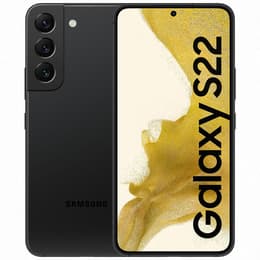
Galaxy S22 5G Vs iPhone 17 Pro
- 1-year minimum warranty
- Free delivery on all items
- Free 30-day returns
Differences at a glance
The Samsung Galaxy S22 5G (2022) and the Apple iPhone 17 Pro (2025) represent different generations and platforms in the high-end smartphone market. While the Galaxy S22 5G focuses on a compact physical footprint and balanced everyday capabilities, the iPhone 17 Pro introduces advanced generational updates in processing power and camera versatility. These devices run on entirely different operating systems, shaping distinct navigation preferences and ecosystem integrations for everyday users.
Available Models
Colour
Storage (GB)
Scores
Durability
When examining long-term usability, both models offer distinct software timelines and maintenance profiles suited for multi-year ownership.
- Software support duration: The iPhone 17 Pro benefits from a later release year, ensuring extended operating system updates and security patches compared to the Galaxy S22 5G.
- Build and repair ecosystem: Both manufacturers provide structured repair networks, though choosing a quality-assured refurbished option extends the functional lifespan of either model while supporting sustainable electronics consumption.
- Expected practical lifespan: Battery degradation and storage management will dictate practical longevity for both devices, with modern software optimizations requiring steady resource management over time.
Year of Release
2022
2025
Compatible with latest Update
Yes
Yes
OS
Android
iOS
Foldable
No
No
Performance
Performance capabilities vary significantly due to the generational gap between the two devices, impacting multitasking and intensive applications.
- App loading and multitasking: The iPhone 17 Pro handles demanding workflows and heavy background tasks smoothly, whereas the Galaxy S22 5G manages daily productivity and casual applications reliably.
- Battery behavior: The Galaxy S22 5G features a smaller battery capacity that typically requires a daily recharge under heavy use, while newer power efficiency standards in the iPhone 17 Pro help sustain power through extended usage cycles.
- Storage configurations: Both lineups offer various internal storage tiers to accommodate media libraries, apps, and documents without expandable storage slots.
Screen quality
Visual output and display responsiveness differ across these panels, affecting media consumption and outdoor readability.
- Display technology: Both models utilize vibrant OLED panels that deliver deep contrast levels and rich color reproduction for videos and photos.
- Refresh rate and smoothness: High refresh rate support ensures fluid scrolling and responsive animations across both interfaces during daily navigation.
- Outdoor visibility: Peak brightness thresholds on both screens allow for legible viewing under direct sunlight, though newer hardware iterations often optimize glare reduction further.
Resolution
1080 x 2340
2622x1206
Screen type
Dynamic AMOLED 2X
Super Retina XDR
Audiovisual
Optics and audio systems cater to mobile creators and casual multimedia consumers through different hardware configurations.
- Camera versatility: The iPhone 17 Pro incorporates an expanded multi-lens system with advanced telephoto reach and low-light processing, while the Galaxy S22 5G provides a dependable triple-lens setup for everyday photography.
- Video recording quality: Advanced stabilization and cinematic modes on the iPhone 17 Pro suit detailed video production, whereas the Galaxy S22 5G captures stable, high-resolution footage suitable for casual sharing.
- Audio output: Stereo speakers on both devices deliver clear sound for hands-free calls and media playback without external accessories.
Main camera
50 megapixels
48 megapixels
Front camera
10 megapixels
18 megapixels
Miscellaneous
Physical dimensions and connectivity standards influence daily handling comfort and peripheral compatibility.
- Connectivity standards: Both smartphones support fast 5G networks, modern Wi-Fi protocols, and Bluetooth connectivity for wireless accessories.
- Physical dimensions and weight: The Galaxy S22 5G offers a noticeably lighter and more compact build, whereas the iPhone 17 Pro features a denser construction housing larger internal components.
- Biometric security: The Galaxy S22 5G utilizes an in-display fingerprint sensor alongside facial recognition, while the iPhone 17 Pro relies exclusively on advanced facial scanning technology.
Weight
168 g
206 g
Screen size (in)
6.1
6.3
Mobile network
5G
5G
SIM card
Physical SIM + eSIM
Physical SIM + eSIM
Carrier compatibility
Unlocked
Unlocked
What the community thinks
Community discussions indicate that users appreciate the Galaxy S22 5G for its comfortable one-handed ergonomics and manageable pocket size, though heavy users frequently mention that its battery capacity requires mindful recharging throughout the day. Conversely, discussions surrounding the iPhone 17 Pro highlight praise for its responsive interface and capable camera array, alongside occasional notes regarding its heavier physical weight. Users prioritizing a lightweight design and compact proportions may find the Galaxy S22 5G well-suited to their daily routines. Meanwhile, users prioritizing extended software support and advanced imaging capabilities will lean toward the iPhone 17 Pro. Selecting an eco-friendly, quality-assured refurbished option provides a practical way to acquire either device while minimizing environmental impact. Ultimately, the choice depends on personal preference regarding operating systems and physical dimensions.