iPad mini 7 (2024, A17 series) Vs iPad Pro (2021, M1 series)

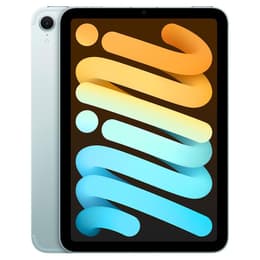
iPad mini 7 (2024, A17 series)
Starting at

Refurbished price:£332.00

Versus £499.00 new

See options
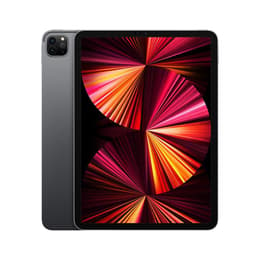
iPad Pro (2021, M1 series)
Starting at

Refurbished price:£359.00

Versus £749.00 new

See options

Ratings

The iPad Mini 7th generation, released in late 2024, and the iPad Pro 2021 M1 series, launched in mid-2021, represent distinct approaches within Apple's tablet lineup. While both run on iPadOS and offer a premium tablet experience, they cater to different user needs primarily through their size, display technology, and processing power. The iPad Mini prioritizes portability and a compact form factor, whereas the iPad Pro emphasizes a larger, more advanced display and desktop-class performance for demanding tasks.

Scores

Durability

Evaluating the practical lifespan of these devices involves considering their release timelines, software support, and physical durability.

  • Release Timeline: The iPad Mini 7th generation was released in October 2024, making it a newer device compared to the iPad Pro 2021 M1 series, which launched in May 2021. This difference in release date means the iPad Mini 7th generation is expected to receive software updates for a longer period.
  • OS Support: Both devices run iPadOS and are part of Apple's ecosystem, known for extended software support. The iPad Mini 7th generation shipped with iPadOS 18 and is designed to support Apple Intelligence features, ensuring it remains current with the latest software innovations for several years. The iPad Pro 2021 M1 series, originally shipping with iPadOS 14.5.1, has continued to receive major iPadOS updates, and its M1 chip provides a robust foundation for future software.
  • Physical Durability: Both iPads feature durable aluminum enclosures. The iPad Pro 2021 models maintain a thin and light design, while the iPad Mini 7th generation retains the compact, flat-edged design of its predecessor. Users can expect similar levels of build quality from both, with repairability scores generally consistent across Apple's tablet range.

Year of Release

2024

2021

Compatible with latest Update

Yes

Yes

OS

iPadOS

iPadOS

Maximum Operating System supported

iPadOS 18

iPadOS 18

Performance

The core performance of these two iPads is driven by different generations of Apple's custom silicon, impacting how they handle various tasks.

  • Processor Capabilities: The iPad Mini 7th generation is equipped with an A17 Pro chip, offering responsive performance for everyday applications, gaming, and content creation. The iPad Pro 2021 M1 series features the M1 chip, which provides desktop-class performance, excelling in professional-grade applications, intensive multitasking, and complex graphical workloads. While the A17 Pro is a powerful mobile processor, the M1 chip in the iPad Pro offers a higher ceiling for sustained, demanding tasks.
  • Multitasking and Responsiveness: The iPad Mini 7th generation comes with 8 GB of unified memory, allowing for smooth multitasking with multiple apps open. The iPad Pro 2021 M1 series offers either 8 GB or 16 GB of unified memory, depending on the storage configuration, providing ample headroom for professional workflows and extensive multitasking without slowdowns. Both devices deliver fluid system responsiveness, but the iPad Pro's higher memory options and more powerful chip can handle more intensive background processes.
  • Storage Options: The iPad Mini 7th generation is available with 128 GB, 256 GB, or 512 GB of internal storage. The iPad Pro 2021 M1 series offers a wider range of storage capacities, from 128 GB up to 2 TB, catering to users with extensive storage needs for large files, projects, and media libraries.

Memory (GB)

8 GB

8 GB

Processor

Apple A17 Pro

Apple M1

Screen quality

The visual experience is a significant differentiator, with both iPads offering high-quality displays tailored to their respective sizes and intended uses.

  • Display Technology and Size: The iPad Mini 7th generation features an 8.3-inch Liquid Retina IPS LCD display, providing vibrant colors and good contrast in a highly portable form factor. The iPad Pro 2021 M1 series comes in two sizes: an 11-inch Liquid Retina IPS LCD display and a 12.9-inch Liquid Retina XDR mini-LED LCD display. The 12.9-inch model's mini-LED technology offers superior contrast, deeper blacks, and higher peak brightness, especially for HDR content.
  • Resolution and Brightness: Both iPads offer sharp resolutions, with the iPad Mini 7th generation at 2266x1488 pixels (326 ppi) and the iPad Pro models at 2388x1668 pixels (11-inch) or 2732x2048 pixels (12.9-inch), both at 264 ppi. The iPad Mini 7th generation reaches 500 nits of maximum brightness, suitable for most indoor and outdoor conditions. The 11-inch iPad Pro reaches 600 nits, while the 12.9-inch iPad Pro can achieve 1000 nits of full-screen brightness and 1600 nits peak brightness for HDR content, making it exceptionally bright for professional use and media consumption.
  • Refresh Rate: The iPad Mini 7th generation has a standard 60Hz refresh rate. The iPad Pro 2021 M1 series features ProMotion technology, offering an adaptive refresh rate up to 120Hz, resulting in smoother scrolling, more fluid animations, and a more responsive feel, particularly beneficial for drawing with the Apple Pencil and gaming.

Resolution

2266 x 1488

2388 x 1668

True Tone

Yes

Yes

Pro-Motion

No

Yes

Screen type

Liquid Retina display

Liquid Retina display

Pixel density

326ppp

264ppp

Brightness

500 nits brightness

600 nits brightness max

Sound quality

Speakers

Stereo speakers (landscape)

Four speaker audio

Audiovisual

While tablets are not typically primary photography devices, both models offer capable camera systems for various uses, including video calls and document scanning.

  • Camera System Capabilities: The iPad Mini 7th generation features a 12 MP Wide rear camera capable of 4K video recording and a 12 MP Ultra Wide front camera with Center Stage. The iPad Pro 2021 M1 series includes a more comprehensive rear camera setup with a 12 MP Wide and a 10 MP Ultra Wide lens, along with a LiDAR Scanner for enhanced depth sensing and augmented reality applications. It also features a 12 MP Ultra Wide front camera with Center Stage.
  • Photography and Video Performance: Both devices deliver clear photos and videos suitable for casual use, document scanning, and video conferencing. The iPad Pro's additional Ultra Wide lens and LiDAR Scanner provide more versatility for photography and AR experiences. Both front cameras support Center Stage, which automatically keeps the subject framed during video calls.
  • Audio Quality: The iPad Mini 7th generation features stereo speakers. The iPad Pro 2021 M1 series boasts a four-speaker audio system, providing a richer and more immersive sound experience for media consumption and video calls. Both include multiple microphones for clear audio input.

Miscellaneous

Beyond core performance and display, several practical features differentiate these two iPad models.

  • Connectivity: The iPad Mini 7th generation supports Wi-Fi 6E and Bluetooth 5.3, offering faster wireless speeds and improved efficiency. The iPad Pro 2021 M1 series supports Wi-Fi 6 and Bluetooth 5.0. Both offer 5G connectivity on cellular models for faster mobile data.
  • Port Types: The iPad Mini 7th generation features a USB-C port with 10 Gbps speeds. The iPad Pro 2021 M1 series includes a Thunderbolt/USB 4 port, which offers significantly higher bandwidth for connecting external displays, storage, and other high-performance accessories.
  • Biometric Authentication: The iPad Mini 7th generation uses Touch ID integrated into the top button for secure authentication. The iPad Pro 2021 M1 series utilizes Face ID for facial recognition, offering a different method of unlocking and authentication.
  • Dimensions and Weight: The iPad Mini 7th generation is considerably smaller and lighter, measuring 195.4 x 134.8 x 6.3 mm and weighing around 293-297 grams, making it highly portable. The iPad Pro 2021 M1 series is larger and heavier, with the 11-inch model at 247.6 x 178.5 x 5.9 mm and 466-470 grams, and the 12.9-inch model at 280.6 x 214.9 x 6.4 mm and 682-685 grams.

Weight

293 g

466 g

Width

13.48 cm

17.85 cm

Height

19.54 cm

24.76 cm

Depth

0.63 cm

0.59 cm

Screen size (in)

8.3

11

Network

Wi-Fi

Wi-Fi

Carrier compatibility

Without SIM Port

Without SIM Port

Wi-Fi technology

Wi-Fi 6 802.11ax

Wi-Fi 6 802.11ax

Bluetooth Version

Bluetooth 5.3

Bluetooth 5.0

Face ID

No

Yes

Touch ID

Yes

No

Connector

USB Type-C

USB Type-C

Choosing between the iPad Mini 7th generation and the iPad Pro 2021 M1 series depends heavily on individual priorities and intended use cases. User sentiment often praises the iPad Mini 7th generation for its exceptional portability and powerful performance in a compact form factor, making it ideal for reading, casual gaming, and on-the-go productivity. Some users, however, note its 60Hz display and the absence of Face ID as areas where it doesn't match the Pro models.

The iPad Pro 2021 M1 series is frequently lauded for its powerful M1 chip, which delivers performance comparable to some laptops, and its stunning Liquid Retina XDR display on the 12.9-inch model, offering an unparalleled visual experience for creative professionals and media enthusiasts. Its larger screen sizes and Thunderbolt port are also significant advantages for those requiring more screen real estate and extensive peripheral connectivity. Criticisms sometimes point to its larger size and weight, which can reduce portability compared to the Mini.

Users prioritizing maximum portability, comfortable one-handed use, and a capable device for everyday tasks, reading, and light content creation may find the iPad Mini 7th generation well-suited to their needs. Conversely, users who require a larger, more advanced display for professional creative work, intensive multitasking, or a desktop-like experience will likely lean towards the iPad Pro 2021 M1 series. Both devices offer a robust iPadOS experience, and considering a quality-assured refurbished option for either model can be an eco-friendly alternative for making an informed choice.


See all articles

Our recent comparisons