
Compare models
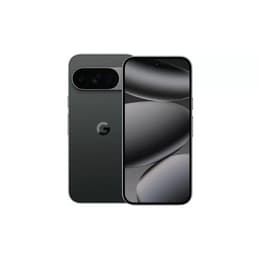
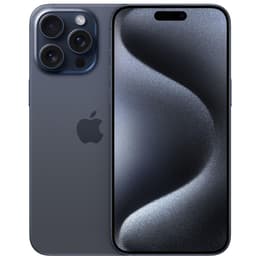
Google Pixel 10 Pro Vs iPhone 15 Pro Max
- 1-year minimum warranty
- Free delivery on all items
- Free 30-day returns
Differences at a glance
The Google Pixel 10 Pro (2025) and the Apple iPhone 15 Pro Max (2023) represent powerful smartphone offerings from two major ecosystems. While they run on different operating systems and stem from different release years, both devices cater to users seeking advanced camera functionality, smooth system navigation, and durable hardware.
Choosing between them typically involves evaluating software preferences, physical dimensions, and daily workflow integration rather than raw capability gaps.
Available Models
Colour
Storage (GB)
Scores
Durability
Long-term usability depends heavily on software support longevity, hardware resilience, and update frequencies provided by each manufacturer.
- Software support timelines: The Google Pixel 10 Pro benefits from a multi-year update commitment running through the Android ecosystem, while the iPhone 15 Pro Max follows Apple's long-standing tradition of extended iOS updates.
- Repairability and durability: Both models utilize robust aluminum or titanium framing paired with reinforced glass panels, though repair accessibility varies by regional service networks.
- Expected lifespan: Users can anticipate multiple years of reliable daily operation from either device before encountering hardware or software obsolescence.
Year of Release
2025
2023
Compatible with latest Update
Yes
Yes
OS
Android
iOS
Foldable
No
No
Performance
Day-to-day operation, multitasking execution, and power management differ across these two distinct hardware and software platforms.
- App loading and multitasking: Both devices handle demanding applications, heavy background tasks, and split-screen workflows smoothly without noticeable lag.
- Battery behavior: The Google Pixel 10 Pro features a substantial energy cell designed to last through a full day of mixed use, similarly matching the endurance profile of the iPhone 15 Pro Max under comparable daily workloads.
- System responsiveness: Operating system animations, gesture navigation, and general responsiveness remain fluid and immediate on both handsets.
Screen quality
Visual output characteristics vary due to differing panel sizes, refresh rates, and maximum brightness output capabilities.
- Display technology: Both models employ advanced OLED panels that deliver deep black levels, high contrast ratios, and vivid color reproduction for media consumption.
- Brightness and outdoor visibility: High peak brightness capabilities ensure that on-screen content remains legible even under direct sunlight outdoors.
- Refresh rate and smoothness: Adaptive refresh rates scaling up to high frequencies provide fluid scrolling through web pages and responsive touch feedback during gaming.
Resolution
1280x2856
1290 x 2796
Screen type
OLED
LTPO Super Retina XDR OLED
Audiovisual
Optics and multimedia configurations handle photography, videography, and sound output through different hardware arrangements.
- Camera versatility: Both handsets incorporate multi-lens rear arrays featuring high-resolution main sensors alongside dedicated wide-angle and zoom capabilities for distant subjects.
- Video and low-light performance: Advanced computational processing enables clear low-light photography and stable video recording with wide dynamic range.
- Media and audio output: Integrated stereo speaker setups deliver balanced audio for hands-free calls, podcasts, and casual video viewing.
Front camera
42 megapixels
12 megapixels
Miscellaneous
Physical dimensions, connectivity standards, and daily handling characteristics shape the practical experience of holding and using each phone.
- Size and handling: The Google Pixel 10 Pro provides a slightly more compact footprint for one-handed use, whereas the iPhone 15 Pro Max offers a larger display canvas for productivity.
- Connectivity options: Both support modern cellular networks, high-speed Wi-Fi standards, and accurate location tracking sensors.
- Biometric security: Secure authentication is handled via responsive facial recognition or fingerprint scanning depending on the model.
Weight
207 g
221 g
Screen size (in)
6.3
6.7
Mobile network
5G
5G
SIM card
Physical SIM + eSIM
Physical SIM + eSIM
Carrier compatibility
Unlocked
Unlocked
Connector
USB-C
USB-C
What the community thinks
User feedback from online communities highlights distinct preferences for each device based on ecosystem familiarity and hardware ergonomics. Users frequently praise the Google Pixel 10 Pro for its intuitive software integrations, clean interface layout, and capable camera processing. Conversely, owners of the iPhone 15 Pro Max often emphasize appreciation for its robust build quality, video recording stability, and long-term ecosystem synergy. At the same time, some users note that the larger physical footprint of the Apple device can feel cumbersome during one-handed operation, while certain Pixel users report that intensive processing tasks can occasionally generate noticeable warmth.
Users prioritizing a compact form factor with advanced software assistance features may prefer the Google Pixel 10 Pro, while users invested in Apple's ecosystem who value a larger display canvas may lean toward the iPhone 15 Pro Max. For buyers exploring sustainable purchasing habits, a quality-assured refurbished option provides an eco-friendly alternative that reduces electronic waste without compromising on core performance standards. Ultimately, the choice depends on which operating environment and physical size best match your daily routine.