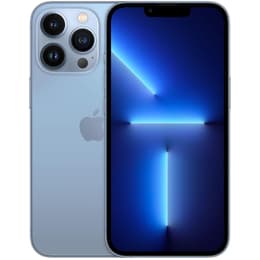

Google Pixel 7A Vs iPhone 13 Pro

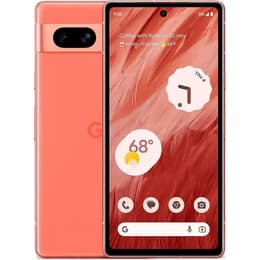
Google Pixel 7A
Google Pixel 7A
Starting at

Refurbished price:£128.00

Versus £649.99 new

See options
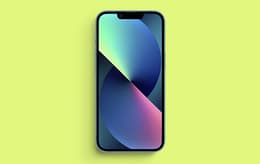
iPhone 13 Pro
iPhone 13 Pro
Starting at

Refurbished price:£232.00

Versus £949.00 new

See options

Ratings

The Google Pixel 7a, launched in 2023, and the iPhone 13 Pro, released in 2021, represent two distinct approaches to the modern smartphone experience. While the Pixel 7a serves as a modern entry into the Android ecosystem with a focus on intelligent software features, the iPhone 13 Pro remains a powerful contender within the iOS landscape, offering professional-grade hardware capabilities. These devices cater to different user priorities, ranging from photography enthusiasts who prefer a streamlined software experience to those who require advanced video tools and a high-refresh-rate display. Both models continue to be relevant choices for users seeking reliable performance and modern connectivity in a compact 6.1-inch form factor.

Scores

Durability

The Google Pixel 7a and the iPhone 13 Pro offer different trajectories for long-term use based on their release dates and manufacturer support cycles.

  • Software Support: The Pixel 7a, arriving in 2023, benefits from a more recent launch date, though the iPhone 13 Pro (2021) typically receives longer-term operating system updates from its manufacturer, often extending six or seven years from the initial release, ensuring it remains compatible with the latest applications for several more years.
  • Build Materials: The iPhone 13 Pro utilises a stainless steel frame and glass back for structural rigidity and a substantial feel, while the Pixel 7a employs a 3D thermoformed composite back with an alloy frame, which offers a lighter feel in the hand while maintaining daily resilience against minor impacts.
  • Repairability: Both devices are designed with modern internal layouts that allow for component replacement, though the availability of parts and the complexity of the internal architecture vary between the Android and iOS ecosystems, with both manufacturers offering official repair programmes to extend the practical lifespan of the hardware.

Year of Release

2023

2021

Compatible with latest Update

Yes

Yes

OS

Android

iOS

Foldable

No

No

Performance

Everyday responsiveness and multitasking capabilities on these devices are driven by efficient internal hardware designed to handle demanding modern applications without lag.

  • System Responsiveness: The iPhone 13 Pro provides a highly fluid experience when switching between intensive apps or editing high-resolution media, while the Pixel 7a focuses on intelligent background processing to speed up common tasks like voice recognition, real-time translation, and automated photo processing.
  • Battery Management: Users can expect a full day of typical use from both smartphones, with the Pixel 7a offering adaptive battery features that learn usage patterns to save power for the apps you use most, whereas the iPhone 13 Pro relies on hardware efficiency and software optimisation to maintain consistent uptime throughout heavy workdays.
  • Storage and Memory: The iPhone 13 Pro offers a wider range of internal storage capacities, reaching up to one terabyte for users with large media libraries, while the Pixel 7a provides a standard high-capacity memory configuration that supports smooth multitasking across various productivity and social media apps.

Memory (GB)

8 GB

6 GB

Screen quality

While both smartphones feature vibrant OLED technology, they differ in how they handle motion and peak brightness for outdoor visibility and media consumption.

  • Refresh Rates: The iPhone 13 Pro features an adaptive high-refresh-rate display that can reach 120Hz, providing exceptionally smooth scrolling and animations that adjust to the content on screen, while the Pixel 7a offers a 90Hz display that is noticeably smoother than standard screens but more conservative than the Pro model.
  • Display Clarity: Both screens provide deep blacks and high contrast ratios for an immersive viewing experience, but the iPhone 13 Pro achieves higher peak brightness levels, which can make the display easier to read when used directly under bright sunlight or in other high-glare environments.
  • Viewing Experience: The 6.1-inch size on both devices makes them comfortable for one-handed use, though the iPhone 13 Pro's display is surrounded by thinner borders, maximising the active viewing area for streaming video, browsing the web, or playing mobile games.

Resolution

1080 x 2400

1170 x 2532

Screen type

OLED

Super Retina XDR OLED

Audiovisual

Photography and video capabilities represent a major point of distinction, with one device focusing on software-led processing and the other on versatile hardware optics and professional tools.

  • Lens Versatility: The iPhone 13 Pro includes a dedicated telephoto lens for optical zooming and a macro mode for detailed close-up photography, whereas the Pixel 7a relies on a dual-lens system that uses advanced digital processing to maintain detail when zooming in on distant subjects.
  • Image Processing: The Pixel 7a is recognised for its ability to capture accurate skin tones and high-contrast scenes through intelligent software, while the iPhone 13 Pro prioritises natural colour reproduction and offers professional-grade video recording formats like ProRes for creators.
  • Low-Light Performance: Both devices excel in dim environments, using long-exposure modes to pull detail from the shadows, though the iPhone 13 Pro's larger sensors and light-sensing technology allow it to capture light more quickly in challenging conditions, while the Pixel 7a uses software to reduce noise in night-time shots.

Main camera

64 megapixels

12 megapixels

Front camera

13 megapixels

12 megapixels

Miscellaneous

Practical features such as biometric security and physical connectivity play a significant role in how these devices integrate into a user's daily routine and existing accessory ecosystem.

  • Biometric Security: The Pixel 7a utilises an under-display fingerprint sensor for quick and familiar access, while the iPhone 13 Pro relies on facial recognition technology that maps the user's features for secure unlocking, even in low-light settings or when wearing accessories.
  • Connectivity and Ports: The Pixel 7a uses the widely adopted USB-C standard for charging and data transfer, making it compatible with most modern laptop and tablet chargers, whereas the iPhone 13 Pro uses a proprietary port that is compatible with a vast ecosystem of existing docks and cables.
  • Physical Handling: Despite having the same screen size, the iPhone 13 Pro has a more substantial weight due to its stainless steel construction, while the Pixel 7a is slightly lighter at approximately 193 grams, which may be preferable for users who carry their phone in a pocket throughout the day.

Weight

193 g

203 g

Screen size (in)

6.1

6.1

Mobile network

5G

5G

SIM card

Physical SIM + eSIM

Physical SIM + eSIM

Carrier compatibility

Unlocked

Unlocked

User consensus from various technology forums suggests that the Google Pixel 7a is highly regarded for its straightforward camera experience and the clean integration of Google's smart services. Many users appreciate the device's ability to take high-quality photos with minimal effort, often citing its software as a primary reason for their satisfaction. On the other hand, the iPhone 13 Pro receives consistent praise for its robust build quality and the smoothness of its high-refresh-rate display. Some users have noted that the iPhone's video recording remains a benchmark for mobile content creation, though others find the device's weight to be a consideration for long-term comfort during extended use.

Choosing between these two devices depends largely on individual priorities and ecosystem preferences. Users who prioritise a lightweight design and the latest software-driven photography features may find the Pixel 7a to be an ideal fit for their daily needs. Conversely, those who require advanced video tools, a more versatile lens array, and a highly fluid screen experience will likely lean toward the iPhone 13 Pro. For those seeking a sustainable choice, opting for a quality-assured refurbished option is an excellent way to access these high-performance features while reducing electronic waste. Ultimately, both smartphones offer a premium experience, and selecting a refurbished model ensures you are making an eco-friendly alternative that supports a more circular economy and promotes responsible consumption.


See all articles

Our recent comparisons