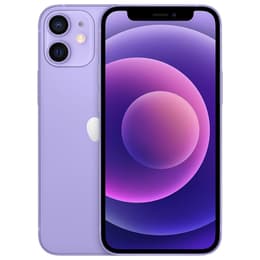

Google Pixel Fold Vs iPhone 12 mini

Google Pixel Fold
Google Pixel Fold
Starting at

Refurbished price:£371.00

Versus £1,499.00 new

See options
iPhone 12 mini
iPhone 12 mini
Starting at

Refurbished price:£126.00

Versus £579.00 new

See options

Ratings

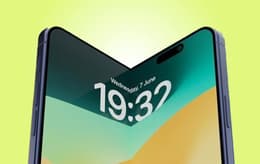
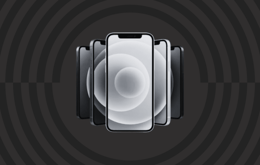
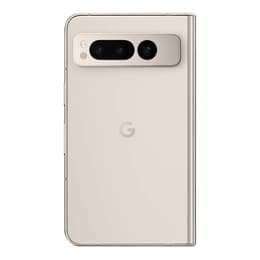
The Google Pixel Fold (2023) and the iPhone 12 Mini (2020) represent two very different philosophies in smartphone design. While the Pixel Fold explores the possibilities of a tablet-sized screen that fits in a pocket, the iPhone 12 Mini focuses on providing a full-featured experience in the most compact form factor possible. These devices cater to distinct user needs, with the Pixel running on the Android platform and the iPhone utilising the iOS ecosystem.

Choosing between them involves weighing the benefits of a massive, foldable workspace against the convenience of a small, lightweight device. Both models offer unique advantages for specific lifestyles, whether you are a professional needing more screen real estate or a traveller seeking a device that disappears into a pocket.

Scores

Durability

The Google Pixel Fold and the iPhone 12 Mini offer different expectations regarding their physical longevity and software support cycles.

  • Software Longevity: The Pixel Fold, released in 2023, is expected to receive security updates and operating system refreshes for several years, likely extending its functional life until at least 2028. The iPhone 12 Mini, being a 2020 model, has already moved through a significant portion of its supported lifecycle, though Apple typically provides updates for six to seven years from the initial launch date.
  • Physical Construction: The Pixel Fold features a complex mechanical hinge and an internal flexible screen, which requires more careful handling than traditional designs. In contrast, the iPhone 12 Mini uses a standard glass-and-metal sandwich design that is more resistant to dust and debris.
  • Sustainability: Choosing a quality-assured refurbished option for either device can extend the useful life of existing hardware, reducing the environmental impact associated with manufacturing new electronics.

Year of Release

2023

2020

Compatible with latest Update

Yes

Yes

OS

Android

iOS

Foldable

Yes

No

Performance

Everyday responsiveness and multitasking capabilities differ significantly due to the intended use cases of these two smartphones.

  • Multitasking and Productivity: The Pixel Fold is designed for heavy multitasking, allowing users to run multiple apps side-by-side on its large internal display without lag. Its generous memory capacity ensures that background tasks remain active, making it suitable for professionals who need to switch between documents and communication tools rapidly.
  • Efficiency and Speed: The iPhone 12 Mini provides a snappy experience for standard tasks like messaging, browsing, and social media. While it handles demanding apps well, its smaller battery capacity means that intensive use, such as long gaming sessions or heavy video editing, will deplete the charge much faster than on larger devices.
  • Storage and Capacity: Both devices offer various storage tiers to accommodate photos and apps, though the Pixel Fold generally starts with higher base storage to support its role as a productivity-focused tool.

Memory (GB)

12 GB

4 GB

Screen quality

The viewing experience is perhaps the most dramatic point of comparison between the expansive Pixel Fold and the diminutive iPhone 12 Mini.

  • Display Technology: Both phones utilise OLED technology, which provides deep blacks and vibrant colours that make media consumption enjoyable. The Pixel Fold offers a dual-screen setup, featuring a standard external display for quick tasks and a massive internal screen for immersive viewing. The iPhone 12 Mini features a single, small display that prioritises sharpness and one-handed usability.
  • Smoothness and Clarity: The Pixel Fold includes a high refresh rate on its internal screen, resulting in smoother scrolling and more fluid animations when navigating the interface. The iPhone 12 Mini maintains a standard refresh rate but offers high pixel density, ensuring that text and images appear crisp despite the smaller physical area.
  • Outdoor Visibility: Both screens are designed to be legible in bright conditions, though the Pixel Fold's larger surface area can catch more reflections when used outdoors compared to the compact screen of the iPhone.

Resolution

1840 x 2208

1080 x 2340

Screen type

Foldable OLED

Super Retina XDR OLED

Audiovisual

Photography and media playback are handled differently, with the Pixel Fold offering more hardware versatility and the iPhone focusing on consistent quality.

  • Camera Versatility: The Pixel Fold features a triple-lens system, including a dedicated telephoto lens for high-quality zoomed-in shots. This makes it more adaptable for capturing distant subjects. The iPhone 12 Mini uses a dual-lens system that excels at wide-angle photography and produces natural-looking images with consistent colour balance across different lighting conditions.
  • Video and Audio: The iPhone 12 Mini is frequently noted for its stable video recording and clear microphone pickup, making it a reliable tool for quick clips and video calls. The Pixel Fold leverages its unique form factor to act as its own tripod, allowing for steady video calls or time-lapse photography without extra equipment.
  • Speaker Performance: Due to its larger frame, the Pixel Fold houses speakers that provide a more expansive soundstage for watching movies. The iPhone 12 Mini produces clear audio but lacks the depth and volume found in larger devices.

Main camera

48 megapixels

12 megapixels

Front camera

8 megapixels

12 megapixels

Miscellaneous

Practical considerations like connectivity, weight, and biometric security play a major role in the daily user experience.

  • Portability and Weight: The iPhone 12 Mini is one of the lightest and smallest modern smartphones, making it almost unnoticeable in a pocket and easy to use with one hand. The Pixel Fold is significantly heavier and thicker, especially when folded, which may be a consideration for users who prefer to travel light.
  • Biometrics and Ports: The Pixel Fold utilises a fingerprint sensor built into the power button for quick access, while the iPhone 12 Mini relies on facial recognition technology. For charging and data transfer, the Pixel uses the universal USB-C standard, whereas the iPhone uses the proprietary Lightning port.
  • Connectivity: Both devices support 5G networks, ensuring fast data speeds where coverage is available. They also include modern Wi-Fi and Bluetooth standards for stable connections to wireless headphones and home networks.

Weight

283 g

135 g

Screen size (in)

7.6

5.4

Mobile network

5G

5G

SIM card

Physical SIM + eSIM

Physical SIM + eSIM

Carrier compatibility

Unlocked

Unlocked

Connector

USB-C

Lightning

User consensus on these devices highlights the trade-offs inherent in their designs. Owners of the Google Pixel Fold often praise the versatility of the folding screen and the ability to have a tablet-like experience in their pocket, though some note the device's weight as a drawback for long-term handheld use. Conversely, iPhone 12 Mini users frequently celebrate the ease of one-handed operation and the compact size, while the most common criticism involves the battery life, which may not last a full day for power users.

Users who prioritise media consumption, mobile productivity, and having the latest screen technology will likely find the Pixel Fold aligns with their needs. Those who value portability, simplicity, and a device that is easy to manage with one hand will find the iPhone 12 Mini more suitable. Both smartphones are available as eco-friendly alternatives through refurbishment, allowing users to access these distinct technologies while supporting more sustainable consumption habits.

Ultimately, the choice depends on whether you view your phone primarily as a compact communication tool or a portable workstation. Both devices remain capable options for their respective audiences, offering high-quality displays and reliable performance for modern mobile tasks.


See all articles

Our recent comparisons