
Galaxy A15 5G Vs iPhone 14 Plus

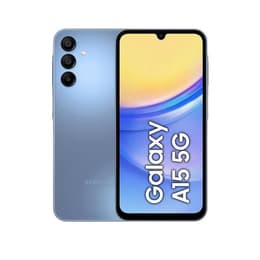
Galaxy A15 5G
Galaxy A15 5G
Starting at

Refurbished price:£99.00

Versus £212.30 new

See options
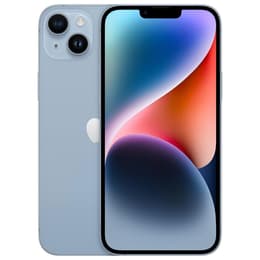
iPhone 14 Plus
iPhone 14 Plus
Starting at

Refurbished price:£235.00

Versus £699.00 new

See options

Ratings

The Samsung Galaxy A15 5G, released in late 2023, and the Apple iPhone 14 Plus, launched in late 2022, represent distinct approaches to smartphone design and functionality. While both offer large displays and robust battery performance, they cater to different user ecosystems with the Galaxy A15 5G running on Android and the iPhone 14 Plus on iOS. Key differentiators include their display refresh rates, processing power, and overall build quality.

Scores

Durability

When considering the long-term usability of these devices, their release timelines and software support policies are important factors.

  • Release and Updates: The Samsung Galaxy A15 5G, released in December 2023, benefits from Samsung's commitment to provide four generations of Android OS upgrades and five years of security updates, extending its support until approximately 2029. [9, 11, 24, 28, 38] The iPhone 14 Plus, launched in October 2022, typically receives iOS updates for about five to six years from its release, offering a comparable, if slightly shorter, software longevity. [Example Output, 17]
  • Physical Durability: The iPhone 14 Plus features a Ceramic Shield front cover and an aluminum frame, contributing to its overall resilience and offering IP68 water and dust resistance. [2, 3, 10, 15, 19] The Galaxy A15 5G utilizes a plastic back and frame with Dragontrail Pro glass protecting the display, but it does not carry an official IP rating for water and dust protection. [4, 11, 14, 22]
  • Practical Lifespan: Users can expect both devices to remain functional and receive critical updates for several years. The iPhone 14 Plus's more robust physical build and IP rating may offer an edge in resisting accidental damage, while the Galaxy A15 5G's extended Android update policy ensures prolonged software relevance.

Year of Release

2023

2022

Compatible with latest Update

Yes

Yes

OS

Android

iOS

Foldable

No

No

Performance

The performance of a smartphone is crucial for daily tasks, app usage, and multitasking efficiency.

  • Processing Power: The iPhone 14 Plus is equipped with a powerful current-generation processor, enabling it to handle demanding applications, complex games, and intensive multitasking with smooth responsiveness. [15] User experiences often highlight its consistent and fluid operation across various scenarios. The Galaxy A15 5G features a processor that capably manages everyday tasks and general app usage. However, some users have noted that it can exhibit slower responses during multitasking or when loading more intensive applications. [24, 28]
  • Storage and Multitasking: The iPhone 14 Plus offers storage options up to 512GB and comes with 6GB of RAM, contributing to efficient app switching and background process management. [2, 3, 6, 18] The Galaxy A15 5G provides storage up to 256GB, with expandable storage via microSD up to 1TB, and is available with 4GB, 6GB, or 8GB of RAM. [5, 9, 14, 22, 39, 40] The expandable storage is a notable advantage for users with extensive media libraries or large file needs.
  • Battery Behavior: Both devices offer excellent battery life. The iPhone 14 Plus is frequently praised for its exceptional battery endurance, often lasting two full days for moderate users. [12, 17, 26, 27, 31] The Galaxy A15 5G also boasts a large battery capacity, with reports indicating it can sustain up to two days or 52 hours of typical use on a single charge. [22]

Memory (GB)

4 GB

6 GB

Screen quality

The display is a primary interface for smartphone interaction, and both models offer distinct viewing experiences.

  • Display Technology and Size: The iPhone 14 Plus features a 6.7-inch Super Retina XDR OLED display, known for its deep blacks, vibrant colors, and high contrast. [2, 3, 7, 10, 19, 37] The Galaxy A15 5G comes with a 6.5-inch Super AMOLED display, which also delivers rich colors and excellent contrast, a notable feature for its segment. [1, 4, 8, 13, 20, 21, 25]
  • Resolution and Clarity: The iPhone 14 Plus offers a resolution of 2778 x 1284 pixels at 458 pixels per inch (ppi), providing sharp and detailed visuals. [2, 3, 10, 19, 23, 37] The Galaxy A15 5G has a 1080 x 2340 (FHD+) resolution at approximately 396 ppi, which ensures clear images and text for everyday viewing. [1, 8, 13, 14, 21]
  • Brightness and Refresh Rate: The iPhone 14 Plus achieves a typical maximum brightness of 800 nits and a peak HDR brightness of 1200 nits, ensuring good visibility in various lighting conditions. [7, 10, 19, 37] Its display operates at a standard 60Hz refresh rate. [7, 17, 27, 32] The Galaxy A15 5G offers a 90Hz refresh rate, providing a smoother scrolling and animation experience, with a high brightness mode reaching 800 nits. [1, 4, 8, 13, 20, 21, 25]

Resolution

1080 x 2340

1284 x 2778

Screen type

Super AMOLED

Super Retina XDR OLED

Audiovisual

Both smartphones provide camera systems designed to capture everyday moments, though with different strengths.

  • Rear Camera Systems: The iPhone 14 Plus features a dual 12MP camera system, comprising a main wide-angle lens with a larger sensor and a faster aperture (f/1.5) for improved low-light performance, alongside a 12MP ultrawide lens. [15, 17, 18, 27] The Galaxy A15 5G is equipped with a triple camera setup, including a 50MP main sensor (f/1.8), a 5MP ultrawide lens, and a 2MP macro lens. [5, 11, 14, 20, 22, 24, 34] The higher megapixel count on the A15 5G's main camera can capture detailed images in good lighting.
  • Photography Performance: The iPhone 14 Plus excels in low-light photography and offers consistent color accuracy, producing reliable results in various conditions. [15, 26, 27] The Galaxy A15 5G's main camera performs well in adequate lighting, with users noting naturalistic color palettes. However, its ultrawide and macro lenses offer more limited utility due to their lower resolution. [11, 24, 25]
  • Video and Audio: The iPhone 14 Plus includes features like Action mode for enhanced video stabilization, contributing to smoother footage. [23] Both devices record video at 1080p at 30 frames per second. [20, 22, 34] For audio, the Galaxy A15 5G includes a 3.5mm headphone jack, offering a traditional audio connectivity option. [1, 20, 22, 34, 39]

Main camera

50 megapixels

12 megapixels

Front camera

13 megapixels

12 megapixels

Miscellaneous

Beyond core features, several practical elements contribute to the overall user experience of these devices.

  • Connectivity and Ports: Both the Galaxy A15 5G and iPhone 14 Plus support 5G connectivity for fast mobile data. [1, 10, 20, 37] The Galaxy A15 5G uses a USB Type-C 2.0 port for charging and data transfer and retains a 3.5mm headphone jack. [1, 20, 22, 34, 39] The iPhone 14 Plus features a Lightning port for charging and data, and does not include a 3.5mm headphone jack. [2, 17]
  • Biometrics and Sensors: The iPhone 14 Plus relies on Face ID for secure facial recognition and authentication. [3, 17, 27] The Galaxy A15 5G incorporates a side-mounted fingerprint sensor for biometric security. [4, 5, 14, 21, 34, 39] Both devices include NFC for contactless payments and other short-range interactions. [1, 20, 22, 39, 40]
  • Physical Attributes: The iPhone 14 Plus measures 160.8 x 78.1 x 7.8 mm and weighs 203 grams, featuring an aluminum frame and glass back. [3, 10, 19, 23, 36] The Galaxy A15 5G has dimensions of 160.1 x 76.8 x 8.4 mm and weighs 200 grams, with a plastic frame and back. [1, 4, 9, 14, 20, 21, 22, 39] The iPhone 14 Plus is slightly thinner, while the Galaxy A15 5G is marginally lighter.

Weight

200 g

203 g

Screen size (in)

6.5

6.7

Mobile network

5G

5G

SIM card

Dual Physical SIM

Physical SIM + eSIM

Carrier compatibility

Unlocked

Unlocked

User feedback for the iPhone 14 Plus frequently highlights its exceptional battery life as a major advantage, often allowing for multi-day usage. [12, 26, 27] Its large, vibrant OLED display and reliable camera system are also commonly praised. [15, 26] A frequent point of discussion, however, is its standard 60Hz refresh rate, which some users find less fluid compared to devices with higher refresh rates. [7, 17, 27, 32] The Galaxy A15 5G receives positive remarks for its bright Super AMOLED display with a 90Hz refresh rate, offering a smooth visual experience. [24, 25] Its long battery life and Samsung's commitment to software updates are also well-regarded. [11, 22, 24] Criticisms often center on its processing power, which can lead to noticeable slowdowns during demanding tasks or heavy multitasking. [24, 28]

Users prioritizing a highly fluid operating system, robust processing power for demanding applications, and a strong ecosystem of apps and services may find the iPhone 14 Plus well-suited to their needs. Its superior physical durability and water resistance also make it a strong contender for those seeking a more resilient device. Conversely, individuals who value a smoother scrolling experience from a higher refresh rate display, expandable storage, and the flexibility of the Android operating system might lean towards the Galaxy A15 5G. Its inclusion of a 3.5mm headphone jack also caters to users who prefer wired audio solutions. Both devices offer compelling features for their respective user bases, and considering a quality-assured refurbished option for either model can be an eco-friendly alternative.


See all articles

Our recent comparisons