
Google Pixel 7 Pro Vs iPhone 12 mini

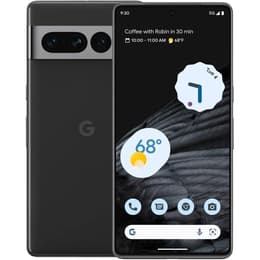
Google Pixel 7 Pro
Google Pixel 7 Pro
Starting at

Refurbished price:£169.75

Versus £899.99 new

See options
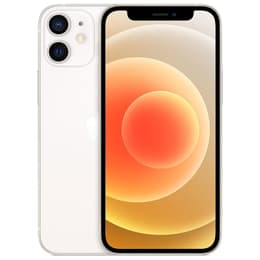
iPhone 12 mini
iPhone 12 mini
Starting at

Refurbished price:£126.00

Versus £579.00 new

See options

Ratings

The Google Pixel 7 Pro, released in 2022, and the iPhone 12 Mini, launched in 2020, represent two very different philosophies in smartphone design. While the Pixel 7 Pro is a large-format device focused on advanced photography and an expansive software experience, the iPhone 12 Mini prioritises portability and ease of use in a compact frame. These devices run on Android and iOS respectively, offering distinct ecosystems for users to navigate. Choosing between them involves weighing the benefits of a modern, large-screen flagship against a smaller, pocket-friendly device from a slightly earlier generation.

Despite the age difference, both smartphones remain relevant for users seeking specific features. The Pixel 7 Pro serves as a high-end tool for media and photography, while the iPhone 12 Mini caters to a niche of users who find modern smartphones too large for comfortable daily handling. This comparison explores how these two contrasting devices perform in real-world scenarios.

Scores

Durability

The Pixel 7 Pro and iPhone 12 Mini offer different trajectories for long-term use based on their release dates and manufacturer support cycles.

  • Software Longevity: The Pixel 7 Pro arrived in late 2022 and is expected to receive security updates until at least 2027, providing a modern software experience for several years. The iPhone 12 Mini, being a 2020 model, is further along its lifecycle, though Apple typically provides operating system updates for six to seven years, meaning it remains a viable option for those who prefer the iOS environment for a few more years.
  • Physical Resilience: Both phones feature glass and metal constructions with high water and dust resistance ratings. The Pixel 7 Pro uses a more recent version of toughened glass for its large display, while the iPhone 12 Mini introduced a ceramic-infused front cover designed to reduce the likelihood of damage from accidental drops, which is particularly useful for a device intended for one-handed use.
  • Repair Access: Finding replacement parts or professional service is generally straightforward for both, as they come from major manufacturers with established global support networks. The iPhone 12 Mini benefits from a very wide availability of third-party repair shops, while the Pixel 7 Pro has a dedicated programme for users who prefer to source official parts for repairs.

Year of Release

2022

2020

Compatible with latest Update

Yes

Yes

OS

Android

iOS

Foldable

No

No

Performance

Daily responsiveness and multitasking capabilities differ significantly between these two models due to their internal configurations and physical sizes.

  • System Fluidity: The Pixel 7 Pro handles demanding applications and heavy multitasking with ease, benefiting from a high amount of temporary memory that keeps background tasks active and ready. The iPhone 12 Mini remains responsive for everyday browsing and social media, though users may notice apps reloading more frequently when switching between many open windows compared to the newer Pixel, which has more headroom for modern, resource-heavy applications.
  • Battery Endurance: There is a notable difference in how long these devices last during a typical day. The Pixel 7 Pro houses a large battery that comfortably supports a full day of intensive use, including navigation and media streaming. In contrast, the iPhone 12 Mini's compact size necessitates a much smaller battery, which may require a mid-day charge for users who frequently use their device for video, gaming, or constant mobile data connectivity.
  • Storage and Efficiency: Both devices offer various storage capacities to house photos and apps, and both manage heat effectively during standard tasks. However, the smaller iPhone can become warm more quickly during sustained high-performance activities like long video calls or intensive gaming, as its smaller surface area has less room to dissipate heat compared to the larger Pixel.

Memory (GB)

12 GB

4 GB

Screen quality

The viewing experience is perhaps the most immediate difference between these two smartphones, impacting everything from reading text to watching videos.

  • Display Technology: The Pixel 7 Pro features a large, 6.7-inch display with advanced technology that allows the screen to refresh very quickly, resulting in exceptionally smooth scrolling and animations. The iPhone 12 Mini uses a 5.4-inch screen that, while smaller and refreshing at a standard rate, offers high contrast and deep blacks, making it excellent for viewing photos and text in a compact form factor that fits easily in the palm.
  • Outdoor Visibility: For users who frequently use their phones outside, the Pixel 7 Pro offers a higher peak brightness, making the screen easier to read under direct sunlight. The iPhone 12 Mini remains legible in most conditions but may require more effort to view in very bright environments compared to the more modern panel on the Pixel.
  • Clarity and Detail: Both screens provide high pixel density, ensuring that images and text appear sharp and clear. The Pixel's larger canvas is better suited for split-screen multitasking, reading long documents, and immersive video, while the iPhone's screen is designed for those who value one-handed reachability and a device that doesn't dominate their visual field.

Resolution

1440 x 3120

1080 x 2340

Screen type

LTPO AMOLED

Super Retina XDR OLED

Audiovisual

Photography and media consumption are handled differently by these two devices, with the Pixel offering more hardware versatility for different types of shots.

  • Camera Versatility: The Pixel 7 Pro includes a triple-lens system featuring a dedicated telephoto lens for high-quality zoomed images and a macro mode for close-up shots of small objects. The iPhone 12 Mini utilises a dual-lens system that excels at capturing natural-looking colours and high-quality video, though it lacks the optical zoom capabilities found on the larger Pixel, meaning zoomed-in photos will lose detail more quickly.
  • Low-Light Performance: Both devices use sophisticated software to improve photos taken in dark environments. The Pixel 7 Pro often produces brighter images with more visible detail in shadows, making it a strong choice for night photography. The iPhone 12 Mini focuses on maintaining a realistic atmosphere with fast shutter speeds to reduce blur, which is helpful when taking quick photos of moving subjects in dim lighting.
  • Audio and Recording: For video calls and recording, both phones feature multiple microphones that filter out background noise effectively. The Pixel 7 Pro's larger body allows for more resonant stereo speakers, providing a fuller sound for movies and music, whereas the iPhone 12 Mini delivers clear and crisp audio that is impressive for its size but lacks the depth and volume of its larger counterpart.

Main camera

50 megapixels

12 megapixels

Front camera

10.8 megapixels

12 megapixels

Miscellaneous

Practical considerations like physical handling and connectivity play a major role in the daily experience of using these two smartphones.

  • Size and Ergonomics: The iPhone 12 Mini is one of the smallest modern smartphones available, making it ideal for users with smaller hands or those who prefer to operate their phone entirely with one hand. The Pixel 7 Pro is a substantial device that usually requires two-handed use but offers a much larger area for content, which is beneficial for those who use their phone as a primary device for work or entertainment.
  • Biometrics and Ports: The Pixel 7 Pro uses a fingerprint sensor hidden under the display and a face unlock feature for security, and it charges via a standard USB-C port. The iPhone 12 Mini relies on a highly secure facial recognition system and uses a proprietary charging port, though it is compatible with various wireless charging accessories and magnetic attachments for easy docking.
  • Connectivity: Both smartphones support modern high-speed mobile networks and provide stable wireless connections for home internet and accessories. The Pixel 7 Pro includes more recent wireless standards that may offer slightly better stability and speed in crowded areas or when connected to the latest home routers, ensuring it remains compatible with evolving network infrastructure.

Weight

212 g

135 g

Screen size (in)

6.7

5.4

Mobile network

5G

5G

SIM card

Physical SIM + eSIM

Physical SIM + eSIM

Carrier compatibility

Unlocked

Unlocked

User feedback for these two devices highlights their specific strengths and trade-offs. Owners of the Pixel 7 Pro frequently praise its expansive, smooth display and the versatility of its camera system, particularly the zoom capabilities which allow for creative photography. However, some users find its large size and weight cumbersome for pocket storage or extended one-handed use. Conversely, the iPhone 12 Mini is celebrated by a dedicated community for its unique compact form factor, which is increasingly rare in the smartphone market. The most common criticism for the iPhone 12 Mini is its limited battery life, which requires more careful management than the Pixel, especially for heavy users.

Users who prioritise a large, immersive screen for media and a camera that can capture distant subjects will find the Pixel 7 Pro aligns well with their needs. Those who value a lightweight, compact device that can be used effortlessly with one hand may lean toward the iPhone 12 Mini. Choosing a quality-assured refurbished option for either of these models is a sustainable choice that helps reduce electronic waste while providing a reliable device. Ultimately, the decision rests on whether you prefer the expansive features of a modern large-screen phone or the classic portability of a compact device. As an eco-friendly alternative, both models remain highly capable choices for different types of users in 2026, supporting informed and conscious consumption.


See all articles

Our recent comparisons