
Smartphones
Compare models
Differences at a glance
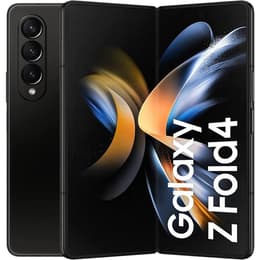
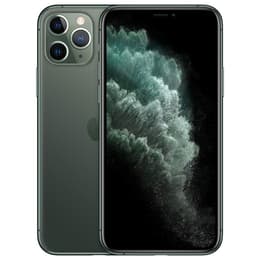
The Samsung Galaxy Z Fold4, released in 2022, and the iPhone 11 Pro, launched in 2019, represent two very different eras and philosophies in smartphone design. While the Galaxy Z Fold4 is a cutting-edge foldable device that transforms from a standard phone into a small tablet, the iPhone 11 Pro remains a classic, compact flagship that prioritises a traditional user experience. Operating on Android and iOS respectively, these devices cater to different ecosystems and usage habits, offering distinct approaches to mobile productivity and entertainment.
The primary differentiator lies in their form factor: the Samsung offers a dual-screen folding experience for power users, whereas the iPhone provides a refined, single-screen experience in a much smaller footprint. As we look at these devices in 2026, their software support and hardware capabilities continue to define their relevance for different types of users.
Colour
Storage
The Galaxy Z Fold4 and iPhone 11 Pro sit at different stages of their lifecycle, influenced by their release dates and manufacturer support policies.
Year of Release
Compatible with latest Update
OS
Foldable
These devices handle daily tasks with different levels of efficiency, largely dictated by the era of their internal components and their intended use cases.
The viewing experience is perhaps the most significant differentiator between these two smartphones, moving from a standard display to a transformative one.
Resolution
Screen type
Photography and media playback remain central to both devices, though they approach these features with different hardware configurations and processing styles.
Main camera
Front camera
Beyond the core specifications, the physical footprint and connectivity options define how these phones fit into a user's daily life and professional routine.
Weight
Screen size (in)
Mobile network
SIM card
Carrier compatibility
User feedback from various tech communities highlights the distinct appeal of each device. The Galaxy Z Fold4 is often lauded for its innovative design and the genuine utility of its large screen for reading and multitasking, though some users express caution regarding the long-term care required for the folding mechanism. Conversely, the iPhone 11 Pro is remembered as a perfectly sized flagship, with many users appreciating its reliability and the quality of its cameras even years after its debut. Some long-term owners of the iPhone note that battery health is the primary factor that eventually necessitates a change.
Choosing between these two depends heavily on your lifestyle and priorities. Users who prioritise productivity, enjoy watching videos on a large screen, or want the latest connectivity will find the Galaxy Z Fold4 to be a transformative tool. On the other hand, users who prefer a compact, reliable device that excels at photography and fits comfortably in one hand will likely lean toward the iPhone 11 Pro. Opting for a quality-assured refurbished option is a sustainable choice that allows you to access these high-end features while contributing to a more circular economy.
Whether you choose the innovative foldable or the classic compact, both devices remain capable performers in 2026. As an eco-friendly alternative, choosing a refurbished model ensures that these sophisticated electronics continue to serve a purpose rather than becoming waste, providing a practical path to owning premium technology.