iPhone 11 Pro Vs iPhone 12 mini

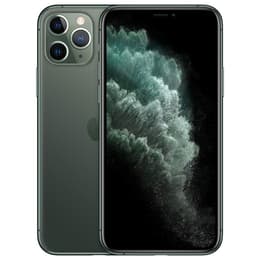
iPhone 11 Pro
iPhone 11 Pro
Starting at

Refurbished price:£151.00

Versus £639.00 new

See options
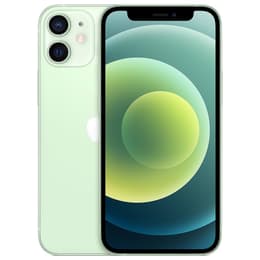
iPhone 12 mini
iPhone 12 mini
Starting at

Refurbished price:£127.00

Versus £579.00 new

See options

Ratings

The iPhone 11 Pro, released in September 2019, and the iPhone 12 Mini, launched in November 2020, represent distinct offerings within Apple's smartphone lineup. While both devices operate on the familiar iOS ecosystem, the 11 Pro offers a more traditional premium experience with a larger display and a versatile triple-camera system, whereas the 12 Mini prioritizes a compact form factor and introduces 5G connectivity.

Scores

Durability

When considering the longevity of these devices, their release timelines and subsequent software support are key factors. The iPhone 11 Pro was released in September 2019, while the iPhone 12 Mini followed in November 2020. This difference means the iPhone 12 Mini is expected to receive major iOS updates for approximately one year longer than its predecessor.

  • Software Longevity: The iPhone 12 Mini, being a year newer, will likely benefit from an extended period of software updates, potentially receiving support until around 2026, compared to the iPhone 11 Pro's expected end of major OS updates around 2025.
  • Physical Resilience: Both models feature an IP68 rating for water and dust resistance, indicating a similar level of protection against environmental elements. However, the iPhone 12 Mini introduces Ceramic Shield on its front display, which is designed to offer enhanced drop protection compared to the glass on the iPhone 11 Pro.
  • Practical Lifespan: Users can expect a practical lifespan of several years from both devices, with the 12 Mini having a slight edge in software support. The robust build quality of both phones contributes to their overall durability.

Year of Release

2019

2020

Compatible with latest Update

Yes

Yes

OS

iOS

iOS

Foldable

No

No

Performance

The performance of these two iPhones is driven by different generations of Apple's processors, impacting their responsiveness and handling of demanding tasks. The iPhone 11 Pro is equipped with a capable processor, while the iPhone 12 Mini features a newer, more advanced chip.

  • Processing Power: The iPhone 12 Mini's newer processor offers improved performance, with Apple claiming a significant increase in CPU and GPU speeds compared to previous generations. This translates to faster app loading and smoother multitasking, particularly for graphically intensive applications or games.
  • Battery Behavior: The iPhone 11 Pro generally offers a more robust battery life, with users often reporting a full day of use and some even extending to 1.5 days on a single charge. In contrast, the iPhone 12 Mini, due to its compact size, houses a smaller battery, which often necessitates more frequent charging for heavy users.
  • Storage Options: The iPhone 11 Pro was available with storage capacities of 64GB, 256GB, and 512GB. The iPhone 12 Mini offers 64GB, 128GB, and 256GB options.

Memory

4 GB

4 GB

Screen quality

Both the iPhone 11 Pro and iPhone 12 Mini feature high-quality OLED displays, providing vibrant visuals, though they differ in size and typical brightness levels.

  • Display Technology and Clarity: Both devices utilize Super Retina XDR OLED displays, which deliver deep blacks, excellent contrast, and vibrant colors. The iPhone 11 Pro has a 5.8-inch display with a resolution of 2436x1125 pixels at 458 pixels per inch (ppi). The iPhone 12 Mini features a more compact 5.4-inch display with a resolution of 2340x1080 pixels at 476 ppi.
  • Brightness and Refresh Rate: The iPhone 11 Pro's display offers a typical maximum brightness of 800 nits, peaking at 1200 nits for HDR content. The iPhone 12 Mini has a typical maximum brightness of 625 nits, also reaching 1200 nits for HDR. Both displays operate at a standard 60Hz refresh rate.
  • Viewing Experience: The iPhone 11 Pro provides a more expansive viewing area, which can be beneficial for media consumption and productivity. The iPhone 12 Mini's smaller screen is designed for enhanced one-handed use and portability.

Resolution

1125 x 2436

1080 x 2340

Screen type

Super Retina XDR OLED

Super Retina XDR OLED

Audiovisual

The camera systems on the iPhone 11 Pro and iPhone 12 Mini offer distinct capabilities, catering to different photographic needs and preferences.

  • Rear Camera Configuration: The iPhone 11 Pro features a versatile triple-camera system, including Wide, Ultra Wide, and Telephoto lenses, all 12 megapixels. This setup provides 2x optical zoom in and 2x optical zoom out, along with up to 10x digital zoom. The iPhone 12 Mini has a dual 12-megapixel camera system, comprising Wide and Ultra Wide lenses, but lacks a dedicated telephoto lens.
  • Low-Light and Computational Photography: Both phones feature Night mode and Deep Fusion for improved low-light performance and detail. However, the iPhone 12 Mini extends Night mode functionality to all its cameras, including the front-facing camera, and benefits from Smart HDR 3 for enhanced image processing. Users report the 12 Mini's low-light performance and image processing to be slightly better in some scenarios.
  • Video Capabilities: Both devices support 4K video recording at up to 60 frames per second. A notable feature of the iPhone 12 Mini is its ability to record HDR video with Dolby Vision at up to 4K at 30 frames per second, offering enhanced dynamic range for video content.

Main camera

12 megapixels

12 megapixels

Front camera

12 megapixels

12 megapixels

Miscellaneous

Beyond core features, several practical elements differentiate the iPhone 11 Pro and iPhone 12 Mini, influencing daily usability and handling.

  • Connectivity and Ports: A significant difference is the iPhone 12 Mini's support for 5G cellular connectivity, offering faster network speeds in compatible areas, which the iPhone 11 Pro does not have. Both devices support Wi-Fi 6 and Bluetooth 5.0, and both utilize the Lightning connector for charging and data transfer.
  • Physical Design and Handling: The iPhone 11 Pro measures 144 x 71.4 x 8.1 mm and weighs 188g, featuring a stainless steel frame. The iPhone 12 Mini is considerably smaller and lighter at 131.5 x 64.2 x 7.4 mm and 135g, with an aluminum frame. The 12 Mini's compact size makes it ideal for one-handed use and pocketability.
  • Security and Build Materials: Both phones rely on Face ID for secure authentication. While the iPhone 11 Pro has a glass back and stainless steel frame, the iPhone 12 Mini introduces a Ceramic Shield front cover, designed for increased drop resistance.

Weight

188 g

135 g

Screen size (in)

5.8

5.4

Network

4G

5G

SIM card

Physical SIM + eSIM

Physical SIM + eSIM

Carrier compatibility

Unlocked

Unlocked

Connector

Lightning

Lightning

User feedback for the iPhone 11 Pro often highlights its robust battery life, powerful performance for its time, and the versatility of its triple-camera system as key strengths. Some users found it a bit heavy, but generally praised its premium feel. The iPhone 12 Mini, on the other hand, is frequently lauded for its incredibly compact size and powerful performance in a small form factor. Its main criticism consistently revolves around its battery life, which many heavy users find insufficient for a full day without a recharge.

Users prioritizing a larger screen and longer battery life for extended use, along with the flexibility of a telephoto camera, may find the iPhone 11 Pro better suited to their needs. Its slightly older processor still handles most tasks efficiently. Conversely, individuals who value extreme portability, one-handed usability, and access to 5G connectivity will likely lean towards the iPhone 12 Mini. While its battery requires more mindful management, its newer processor and enhanced low-light camera features are compelling for those seeking a modern, compact device. Both devices offer a quality-assured refurbished option, providing an eco-friendly alternative for consumers looking to make an informed and sustainable choice.

See all articles

Our recent comparisons