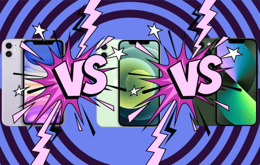
iPhone 11 Pro Vs iPhone 13

iPhone 11 Pro
iPhone 11 Pro
Starting at

£148.00

£639.00 new

See options
iPhone 13
iPhone 13
Starting at

£188.00

£599.00 new

See options

Ratings

The iPhone 11 Pro (2019) and the iPhone 13 (2021) are two popular choices for users seeking a reliable smartphone experience. While the 11 Pro was originally positioned as a high-end professional device, the iPhone 13 arrived two years later as the standard flagship, benefiting from newer internal technology and a refined design. Both devices operate on Apple’s iOS, ensuring a consistent user interface and access to a vast ecosystem of applications. The main differences lie in their physical dimensions, camera configurations, and the longevity of their internal components, which dictate how well they will perform in the coming years.

Scores

Durability

The iPhone 11 Pro and iPhone 13 differ significantly in their construction and expected lifespan due to the two-year gap between their release dates.

  • Software Longevity: The iPhone 13, being the newer model, is expected to receive official software updates for a longer period than the iPhone 11 Pro. This means users can expect the latest security patches and feature updates to continue for several years, whereas the 11 Pro is closer to the end of its official support cycle.
  • Physical Resilience: The iPhone 13 features a Ceramic Shield front cover, which provides better protection against accidental drops compared to the glass used on the 11 Pro. However, the 11 Pro uses a stainless steel frame, which is more resistant to scratches and dents than the aluminum frame found on the iPhone 13.
  • Sustainable Longevity: Choosing a quality-assured refurbished option for either model can extend the life of these devices significantly, as they are thoroughly tested to ensure they meet functional standards for years of continued use.

Year of Release

2019

2021

Compatible with latest Update

Yes

Yes

OS

iOS

iOS

Foldable

No

No

Performance

While both phones handle daily tasks with ease, the iPhone 13 benefits from a more efficient and powerful internal architecture.

  • System Responsiveness: The iPhone 13 offers a smoother experience when launching demanding applications or switching between multiple tasks. Its newer processor handles complex processes with less heat and better efficiency, making it feel more capable during intensive activities like video editing or high-end gaming.
  • Battery Endurance: Users will notice that the iPhone 13 generally lasts longer on a single charge during typical daily use. The internal hardware is designed to consume less power, which, combined with a slightly larger battery capacity, provides more headroom for users who are away from a charger for extended periods.
  • Storage Capacity: The iPhone 13 starts with a higher base storage capacity, allowing users to keep more photos, videos, and apps without needing to manage their space as frequently as they might on the base model of the 11 Pro.

Memory

4 GB

4 GB

Screen quality

The viewing experience on these two devices is quite similar, though the iPhone 13 offers a slightly larger canvas for media consumption.

  • Display Technology: Both smartphones utilise OLED technology, which provides deep blacks, high contrast, and vibrant colours. This makes watching films or viewing photos an immersive experience on both devices, with the iPhone 13 offering a slightly higher peak brightness that helps with visibility when using the phone in direct sunlight.
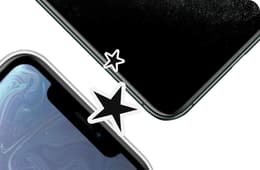
  • Screen Size and Design: The iPhone 13 features a 6.1-inch display, providing more room for text and media compared to the 5.8-inch screen on the 11 Pro. Additionally, the iPhone 13 has a smaller notch at the top of the screen, which allows for a slightly more unobstructed viewing area during daily use.
  • Smoothness and Clarity: While neither device features a high-refresh-rate display, they both offer excellent sharpness and clarity. Text appears crisp, and animations remain fluid, ensuring that browsing the web or scrolling through social media feels responsive and easy on the eyes.

Resolution

1125 x 2436

1170 x 2532

Screen type

Super Retina XDR OLED

Super Retina XDR OLED

Audiovisual

The camera systems represent the most distinct functional difference between these two generations of hardware.

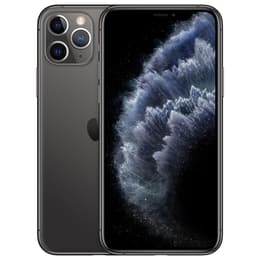
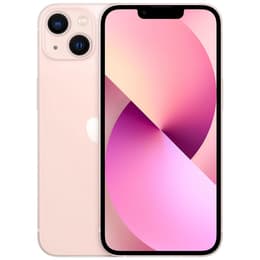
  • Versatility in Photography: The iPhone 11 Pro features a triple-lens system, including a dedicated telephoto lens for optical zooming. This allows users to take clear photos of distant subjects without losing detail. In contrast, the iPhone 13 lacks a zoom lens but features a more advanced main sensor that captures more light, resulting in better detail in standard photos.
  • Video Capabilities: The iPhone 13 introduces a Cinematic mode, which automatically shifts focus between subjects to create a film-like depth effect. This is a significant upgrade for users who enjoy creating video content, as it provides a level of creative control not found on the older 11 Pro.
  • Low-Light Performance: Thanks to its newer sensor and improved image processing, the iPhone 13 tends to produce clearer, less grainy images in dark environments. While the 11 Pro was a pioneer in night photography, the 13 has refined this technology to handle challenging lighting conditions more naturally.

Main camera

12 megapixels

12 megapixels

Front camera

12 megapixels

12 megapixels

Miscellaneous

Beyond the core specs, several practical features distinguish the daily handling of these two smartphones.

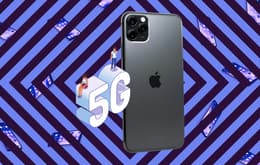
  • Connectivity Standards: The iPhone 13 supports 5G networks, providing access to faster mobile data speeds where available. The iPhone 11 Pro is limited to 4G connectivity, which remains reliable but may feel slower as network infrastructure continues to evolve toward newer standards.
  • Charging and Accessories: The iPhone 13 includes MagSafe technology, a magnetic system on the back of the phone that allows for easy attachment of wireless chargers and accessories. The 11 Pro supports standard wireless charging but lacks the magnetic alignment and ecosystem of MagSafe-specific add-ons.
  • Weight and Ergonomics: Because of its stainless steel construction, the 11 Pro feels heavier and more substantial in the hand despite its smaller size. The iPhone 13 is lighter due to its aluminum frame, which some users may find more comfortable for long periods of one-handed use.

Weight

188 g

173 g

Screen size (in)

5.8

6.1

Network

4G

5G

SIM card

Physical SIM + eSIM

Physical SIM + eSIM

Carrier compatibility

Unlocked

Unlocked

Connector

Lightning

Lightning

The choice between the iPhone 11 Pro and the iPhone 13 often depends on whether a user values specialized features or modern efficiency. On community forums, users frequently praise the iPhone 11 Pro for its premium feel and the utility of its telephoto lens, which remains a favourite for those who take many portraits or distant shots. However, some users note that the 11 Pro’s battery life and 4G-only connectivity are starting to show their age in a world moving toward 5G. The iPhone 13 is widely commended for its impressive battery endurance and the noticeable jump in processing speed, though some miss the dedicated zoom lens found on the older Pro model.

Users who prioritise a compact, premium-feeling device with a versatile zoom camera may find the iPhone 11 Pro perfectly suited to their needs. Conversely, those who want a larger screen, faster mobile data, and a device that will remain compatible with new software for as long as possible will likely lean toward the iPhone 13. Both devices remain excellent examples of reliable technology. Opting for a sustainable choice like a quality-assured refurbished model allows users to access these features while contributing to a more circular economy. Ultimately, the decision rests on which specific features—be it the 11 Pro's zoom or the 13's longevity—align best with the user's daily habits.
See all articles

Our recent comparisons