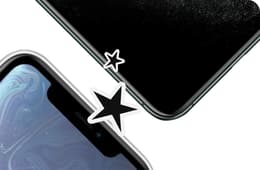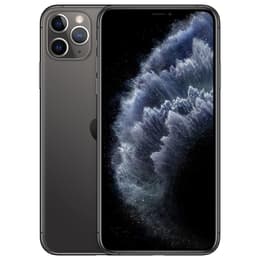
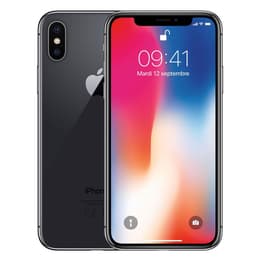

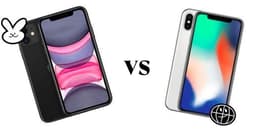
iPhone 11 Pro Max Vs iPhone X

iPhone 11 Pro Max
iPhone 11 Pro Max
Starting at

Refurbished price:£182.99

Versus £749.00 new

See options
iPhone X
iPhone X
Starting at

Refurbished price:£89.00

Versus £449.00 new

See options

Ratings

The iPhone 11 Pro Max (2019) and the iPhone X (2017) represent two significant milestones in the evolution of the modern smartphone. While the iPhone X was the first to introduce the edge-to-edge display and facial recognition, the iPhone 11 Pro Max refined this design with a much larger footprint, a more advanced triple-camera system, and significantly improved battery endurance. Both devices run on Apple's iOS, but their two-year age gap results in different levels of compatibility with the latest software features and long-term security updates.

Scores

Durability

The two-year difference in release dates plays a crucial role in how long these devices will remain functional and secure for the average user.

  • Software Longevity: The iPhone 11 Pro Max, launched in 2019, continues to receive the latest iOS updates, ensuring access to new features and security patches for several more years. The iPhone X, released in 2017, has reached the end of its major software update cycle, meaning it may no longer support the newest applications or system-wide improvements.
  • Build and Repair: Both phones feature a stainless steel frame and glass back, offering a sturdy and durable feel. While both are well-supported by repair technicians, the iPhone 11 Pro Max features more durable glass and improved water resistance, making it slightly more resilient to accidental spills or drops.
  • Practical Lifespan: Users can expect the iPhone 11 Pro Max to remain a reliable daily driver for a longer period, whereas the iPhone X is now better suited for basic tasks as its older hardware begins to show its age against modern, resource-heavy software.

Year of Release

2019

2017

Compatible with latest Update

Yes

No

OS

iOS

iOS

Foldable

No

No

Performance

While both devices handle daily tasks like messaging and web browsing, the internal hardware of the iPhone 11 Pro Max provides a noticeably smoother and more responsive experience.

  • System Responsiveness: The iPhone 11 Pro Max handles demanding applications and multitasking with greater ease. Users will notice faster app loading times and fewer instances of background apps closing compared to the iPhone X, which may experience slight delays when switching between intensive modern software.
  • Battery Endurance: One of the most significant differences is battery life. The iPhone 11 Pro Max was designed for heavy use, often lasting a full day and into the next on a single charge. The iPhone X has a much smaller capacity, requiring more frequent charging, especially for users who stream video or use GPS frequently throughout the day.
  • Storage and Multitasking: With more efficient internal management, the 11 Pro Max remains fluid even when multiple high-resolution media apps are open, whereas the iPhone X might struggle to maintain the same level of performance during heavy multitasking sessions.

Memory

4 GB

3 GB

Screen quality

Both smartphones utilize OLED technology, which provides deep blacks and high contrast, but they differ greatly in terms of physical size and peak brightness levels.

  • Viewing Area: The iPhone 11 Pro Max features a 6.5-inch display, making it ideal for watching movies, playing games, or reading long documents. The iPhone X offers a 5.8-inch screen, which is much easier to navigate with one hand but provides significantly less room for content.
  • Outdoor Visibility: The display on the 11 Pro Max is engineered to be much brighter, which makes it significantly easier to read under direct sunlight. The iPhone X remains clear in indoor settings but can be harder to see in bright outdoor environments or under harsh overhead lighting.
  • Visual Fluidity: While both screens share a standard refresh rate, the improved processing power behind the 11 Pro Max screen makes animations and scrolling appear more consistent and stable during intensive use, providing a more polished visual experience.

Resolution

1242 x 2688

1125 x 2436

Screen type

Super Retina XDR OLED

Super Retina OLED

Audiovisual

The camera systems mark the biggest functional leap between these two generations, particularly for users who enjoy photography and video creation.

  • Camera Versatility: The iPhone 11 Pro Max includes a triple-lens system, adding an ultra-wide lens that allows users to capture more of a scene, such as expansive landscapes or large groups. The iPhone X relies on a dual-lens system that lacks this wider perspective, limiting its flexibility in tight spaces.
  • Low-Light Photography: A major addition to the 11 Pro Max is a dedicated night mode, which allows for clear, detailed photos in dark environments without a flash. The iPhone X lacks this feature, often resulting in grainier or darker images when lighting conditions are not ideal.
  • Video and Audio: Video recording on the 11 Pro Max is more stable and offers better dynamic range for more lifelike colors. Additionally, its speakers provide a more immersive sound experience compared to the more traditional stereo output found on the iPhone X.

Main camera

12 megapixels

12 megapixels

Front camera

12 megapixels

7 megapixels

Miscellaneous

Beyond the core specifications, the physical handling and connectivity of these devices cater to very different user preferences and lifestyles.

  • Size and Weight: The iPhone 11 Pro Max is a substantial device, being both taller and heavier, which may feel bulky in smaller pockets or during long periods of use. The iPhone X is much lighter and more compact, appealing to those who prefer a phone that is easy to hold and operate with one hand.
  • Biometric Security: Both devices use Face ID for secure unlocking and payments. However, the sensors on the 11 Pro Max are slightly faster and work at more varied angles than the first-generation sensors found on the iPhone X, making the unlocking process feel more natural.
  • Connectivity: Both models use the Lightning port for charging and data transfer. While neither supports 5G, the 11 Pro Max features faster Wi-Fi and cellular antennas, leading to more reliable connections and faster download speeds in areas with weaker signals.

Weight

226 g

174 g

Screen size (in)

6.5

5.8

Network

4G

4G

SIM card

Physical SIM + eSIM

Physical SIM

Carrier compatibility

Unlocked

Unlocked

Connector

Lightning

Lightning

User feedback on community forums highlights a clear divide in how these two phones are perceived today. The iPhone X is often praised for its compact size and the fact that it pioneered the modern aesthetic, though many users now note that its battery life and performance are starting to lag behind modern standards. On the other hand, the iPhone 11 Pro Max is frequently cited as a reliable workhorse, with users still impressed by its exceptional battery endurance and the quality of its ultra-wide camera. While some find the 11 Pro Max too heavy for comfortable daily use, most agree its reliability makes it a sturdy choice for long-term ownership.

Users who prioritize portability and a lightweight design will likely find the iPhone X more comfortable for daily tasks. However, those who need a device for photography, heavy gaming, or long workdays without a charger will find the iPhone 11 Pro Max much better suited to their needs. Choosing a quality-assured refurbished option is a sustainable choice that allows users to access these features while reducing electronic waste. Ultimately, the iPhone 11 Pro Max offers a more modern experience with better longevity, while the iPhone X remains a functional, compact alternative for lighter users. This eco-friendly alternative ensures that even older technology continues to serve a purpose in a circular economy.
See all articles

Our recent comparisons