Compare models
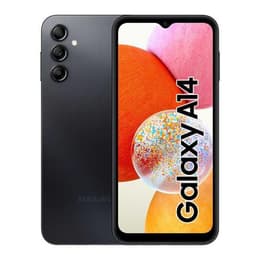
Galaxy A14 5G Vs iPhone 12 Pro Max
- 1-year minimum warranty
- Free delivery on all items
- Free 30-day returns
Differences at a glance
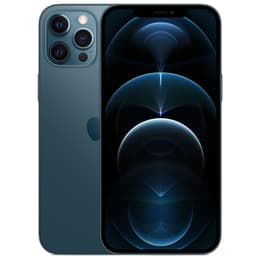
The Samsung Galaxy A14 5G, released in January 2023, and the Apple iPhone 12 Pro Max, launched in November 2020, represent distinct approaches to smartphone design and functionality. While both offer 5G connectivity, they cater to different user expectations through their operating systems, display technologies, and camera systems. The Galaxy A14 5G runs on Android, providing a customizable experience, whereas the iPhone 12 Pro Max operates on iOS, known for its integrated ecosystem.
Available Models
Colour
Storage (GB)
Scores
Durability
When considering the longevity of these devices, several factors come into play, including their release timelines, software support, and physical durability.
- Release Timeline and OS Support: The iPhone 12 Pro Max, released in late 2020, has received consistent iOS updates, with support expected to continue for several more years, potentially up to iOS 26.3.1. The Galaxy A14 5G, launched in early 2023 with Android 13, is promised two major Android OS updates and four years of security updates, extending its software lifespan into the future.
- Repairability: The Galaxy A14 5G boasts a repairability score of 8 out of 10, partly due to its design which includes an adhesive pull tab for the battery, making replacement easier. The iPhone 12 Pro Max received a repairability score of 6 out of 10, with some design changes making certain repairs easier, though proprietary screws and software requirements for genuine parts can complicate independent repairs.
- Practical Lifespan: Both devices are built to last, but the iPhone 12 Pro Max features a Ceramic Shield front cover and IP68 water and dust resistance, offering robust protection against environmental elements. The Galaxy A14 5G, while durable for everyday use, does not feature the same advanced protective materials.
Year of Release
2023
2020
Compatible with latest Update
Yes
Yes
OS
Android
iOS
Foldable
No
No
Performance
The performance of a smartphone is crucial for daily tasks, from navigating apps to demanding multimedia use. These two devices offer different experiences in terms of processing power, storage, and battery behavior.
- Storage Options: The Galaxy A14 5G offers internal storage options of 64GB or 128GB, with the added flexibility of expandable storage via a microSD card up to 1TB. The iPhone 12 Pro Max comes with internal storage options of 128GB, 256GB, or 512GB, without expandable storage.
- Battery Behavior: The Galaxy A14 5G is equipped with a 5000mAh battery, which can provide extended usage, often lasting through a full day of moderate to heavy use, and potentially two days with lighter usage. The iPhone 12 Pro Max, with its 3687mAh battery, is noted for its efficient power management, delivering impressive battery life that can last over 10 hours of continuous web surfing on 5G, and potentially up to two days with mixed usage.
- System Responsiveness: The iPhone 12 Pro Max, powered by a high-performance processor and 6GB of RAM, handles demanding applications, multitasking, and graphic-intensive games with smooth and responsive performance. The Galaxy A14 5G, featuring an octa-core processor and available with 4GB, 6GB, or 8GB of RAM, provides solid everyday performance for general use, though some users may notice occasional lags with multiple demanding apps open.
Screen quality
The display is a primary interface for any smartphone, and these two models present different visual experiences.
- Display Technology and Resolution: The iPhone 12 Pro Max features a 6.7-inch Super Retina XDR OLED display with a resolution of 2778 x 1284 pixels, resulting in a pixel density of 458 pixels per inch (ppi). This OLED technology delivers deep blacks, high contrast, and vibrant colors. The Galaxy A14 5G has a 6.6-inch PLS LCD display with a resolution of 2400 x 1080 pixels, offering a pixel density of approximately 399-400 ppi.
- Brightness and Clarity: The iPhone 12 Pro Max's display can reach a typical brightness of 800 nits and a peak brightness of 1200 nits for HDR content, ensuring excellent visibility even in bright outdoor conditions. The Galaxy A14 5G's display peaks at around 500-520 nits, which can make it challenging to view clearly under direct sunlight.
- Refresh Rate: The Galaxy A14 5G features a 90Hz refresh rate, providing a smoother scrolling experience and more fluid animations compared to standard 60Hz displays. The iPhone 12 Pro Max has a standard 60Hz refresh rate.
Resolution
1080 x 2408
1284 x 2778
Screen type
PLS LCD
Super Retina XDR OLED
Audiovisual
For many users, the camera system is a key differentiator, and both phones offer distinct photographic capabilities.
- Camera System Capabilities: The iPhone 12 Pro Max features a versatile triple 12MP camera system, including wide, ultra-wide, and telephoto lenses, along with a LiDAR scanner for improved low-light focusing and depth sensing. The Galaxy A14 5G has a triple camera setup with a 50MP main sensor, a 2MP macro lens, and a 2MP depth sensor, but notably lacks an ultra-wide camera.
- Photography Performance: In good lighting, both phones capture detailed and vibrant images. The iPhone 12 Pro Max excels in low-light conditions due to its larger main sensor and sensor-shift stabilization, producing cleaner photos with less noise. The Galaxy A14 5G's 50MP main camera performs well in daylight, but struggles with capturing quality photos in low light.
- Video Recording Quality: The iPhone 12 Pro Max supports 4K video recording at up to 60 frames per second and includes Dolby Vision HDR recording, offering high-quality video capture. The Galaxy A14 5G is limited to 1080p video recording at 30 frames per second for both front and rear cameras.
Main camera
50 megapixels
12 megapixels
Front camera
13 megapixels
12 megapixels
Miscellaneous
Beyond core features, several practical elements contribute to the overall user experience of these smartphones.
- Connectivity: Both devices support 5G connectivity, along with modern Wi-Fi standards (Wi-Fi 5 for A14 5G, Wi-Fi 6 for iPhone 12 Pro Max) and Bluetooth (v5.2 for A14 5G, v5.0 for iPhone 12 Pro Max).
- Port Types: The Galaxy A14 5G includes a USB-C port for charging and data transfer, and retains a 3.5mm headphone jack, which is convenient for wired audio accessories. The iPhone 12 Pro Max uses Apple's proprietary Lightning port and does not feature a headphone jack.
- Sensors and Biometrics: The Galaxy A14 5G features a side-mounted fingerprint sensor for secure unlocking. The iPhone 12 Pro Max relies on Face ID for biometric authentication. Both include standard sensors like accelerometers, ambient light sensors, and gyroscopes.
- Physical Characteristics: The Galaxy A14 5G measures 167.7 x 78.0 x 9.1 mm and weighs 204 grams. The iPhone 12 Pro Max is slightly larger and heavier at 160.8 x 78.1 x 7.4 mm and 228 grams, reflecting its premium build materials.
Weight
201 g
226 g
Screen size (in)
6.6
6.7
Mobile network
5G
5G
SIM card
Dual Physical SIM
Physical SIM + eSIM
Carrier compatibility
Unlocked
Unlocked
Connector
USB-C + Jack 3.5mm
Lightning
What the community thinks
User feedback for the Samsung Galaxy A14 5G often highlights its strong battery life, vibrant display, and solid everyday performance as praise points, especially considering its positioning. Users appreciate the inclusion of a headphone jack and expandable storage. Criticisms sometimes point to its camera performance in low light and the display's limited brightness in direct sunlight. The iPhone 12 Pro Max is frequently praised for its exceptional display quality, robust camera system with advanced features like LiDAR, and extended battery life. Common observations include its large size and weight, which can impact one-handed use.
Users prioritizing a highly customizable Android experience, expandable storage, a headphone jack, and extended battery life for general use may find the Galaxy A14 5G well-suited to their needs. Its strong repairability score also makes it an appealing choice for those who value ease of maintenance. Conversely, users who prioritize a premium build, a sophisticated camera system with advanced low-light capabilities, a vibrant OLED display, and a streamlined iOS ecosystem will likely lean towards the iPhone 12 Pro Max. Its robust performance and longer software support timeline also make it a compelling option for those seeking a device with a longer practical lifespan.
For those considering either device, exploring quality-assured refurbished options can provide an eco-friendly alternative, allowing access to these technologies while supporting sustainable consumption.