
Smartphones
Compare models
Differences at a glance
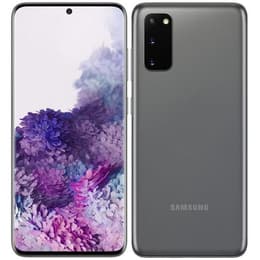
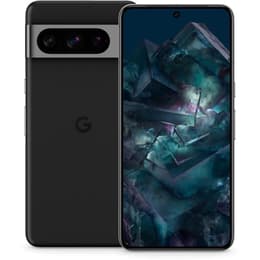
The Samsung Galaxy S20 5G, released in early 2020, and the Google Pixel 8 Pro, launched in late 2023, represent different generations of flagship smartphones. While both offer premium Android experiences, the Pixel 8 Pro benefits from several years of technological advancements, particularly in its camera system, display technology, and long-term software support. Both devices run on the Android operating system, but the Pixel 8 Pro features a more recent version and a significantly extended update commitment from Google.
Colour
Storage
When considering the practical lifespan of these devices, their respective release timelines and software support policies are key differentiators.
Year of Release
Compatible with latest Update
Foldable
The performance capabilities of these two smartphones reflect the advancements in mobile processing technology over several years.
The visual experience on both devices is delivered through high-quality displays, though with distinct differences in technology and capabilities.
Resolution
Screen type
Both smartphones offer capable camera systems, but the Pixel 8 Pro incorporates more recent advancements in computational photography and sensor technology.
Main camera
Front camera
Beyond the core features, several practical elements contribute to the overall user experience and daily usability of these smartphones.
Weight
Screen size (in)
Mobile network
SIM card
Carrier compatibility
The Samsung Galaxy S20 5G and Google Pixel 8 Pro cater to different user needs, largely due to their generational gap. The Galaxy S20 5G, while an older flagship, is still praised by users for its compact size, vibrant display, and the inclusion of expandable storage, a feature increasingly rare in modern smartphones. Its camera system was highly regarded at its release, and it continues to deliver good results for general photography. Some users might find its battery life sufficient for a day, though it may require more frequent charging for heavy use compared to newer devices. Criticisms often revolve around its shorter software support window compared to current flagships and the potential for its processor to feel less snappy with the most demanding applications over time.
The Google Pixel 8 Pro, on the other hand, is frequently lauded for its exceptional camera capabilities, particularly its computational photography features that enhance image quality in various conditions. Users appreciate its long-term software support commitment, ensuring the device remains updated and secure for many years. The bright, adaptive refresh rate display and robust battery life are also common points of praise. Some users have noted that while its processor is powerful, it might not always match the raw benchmark scores of some competitors, though real-world performance is consistently smooth. Its larger size and weight might also be a consideration for those preferring a more compact device.
Users prioritizing a more compact form factor, expandable storage, and a still-capable camera system for everyday use may find the Galaxy S20 5G suitable. Conversely, users who value the latest camera technology, extended software longevity, a larger and brighter display, and advanced AI features will likely lean towards the Pixel 8 Pro. For those seeking a more sustainable choice, considering a quality-assured refurbished option for either device can provide an eco-friendly alternative to purchasing new.