
Compare models

Google Pixel Fold Vs iPhone Air

  • 1-year minimum warranty
  • Free delivery on all items
  • Free 30-day returns
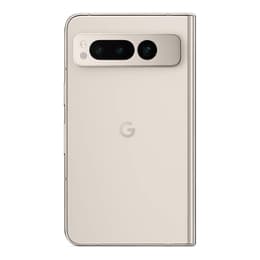
Google Pixel Fold
Starting at

Refurbished price:£448.00

Versus £1,499.00 new

See options
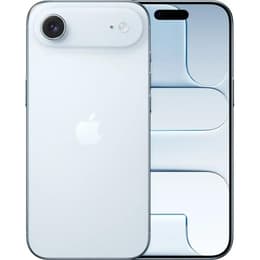
iPhone Air
Starting at

Refurbished price:£604.00

Versus £1,099.00 new

See options

Differences at a glance

The Google Pixel Fold (2023) and the iPhone Air (2025) represent two fundamentally distinct philosophies in mobile device design, contrasting a dual-screen folding concept with an ultra-slim single-screen build. While they occupy different form factors and operate on separate ecosystems running Android and iOS respectively, both devices target users seeking distinct physical architectures and high-end capabilities.

Available Models

Colour

Storage

Scores

Durability

The Google Pixel Fold and the iPhone Air differ significantly in release timeline, structural complexity, and software support frameworks, influencing their long-term viability in daily use.

  • Software support timeline: The iPhone Air benefits from a newer 2025 launch date and extended OS updates, whereas the Pixel Fold relies on a structured multi-year update path matching its 2023 introduction.
  • Hardware construction: The Pixel Fold incorporates a mechanical folding hinge and multiple glass surfaces, while the iPhone Air utilizes a rigid, ultra-thin titanium chassis reinforced with durable front and back glass layers.
  • Practical lifespan: Both devices handle daily routines reliably, though users looking at quality-assured refurbished options can find thoroughly tested models that extend device longevity while reducing environmental impact.

Year of Release

2023

2025

Compatible with latest Update

Yes

Yes

OS

Android

iOS

Foldable

Yes

No

Performance

Internal hardware configurations on both smartphones handle daily multitasking, app switching, and media consumption efficiently through different hardware approaches.

  • Storage availability: Both models offer multiple spacious storage configurations starting at generous baselines, ensuring ample room for local files, media libraries, and large applications without frequent cleanups.
  • Everyday responsiveness: Apps load promptly and multitasking runs smoothly on both platforms, allowing seamless switching between communication tools, web browsers, and media streaming apps.
  • Battery behavior: The Pixel Fold accommodates a larger physical cell to power its dual displays, while the iPhone Air relies on power-efficient processing to maintain daily runtime within its exceptionally slim profile.

Screen quality

Display architecture is the defining differentiator between these two models, offering contrasting visual experiences for media consumption and text readability.

  • Display technology: The Pixel Fold features an outer screen alongside an expansive inner folding OLED panel, whereas the iPhone Air provides a single, high-clarity flat OLED screen with vibrant color reproduction.
  • Refresh rate and smoothness: Both devices support high refresh rates, ensuring fluid scrolling through web pages, social feeds, and user interfaces.
  • Outdoor visibility: High peak brightness levels on both models ensure that text and images remain legible under direct sunlight or bright ambient lighting conditions.

Resolution

1840 x 2208

2736x1260

Screen type

Foldable OLED

Super Retina XDR

Audiovisual

Imaging capabilities on these devices cater to different photography styles, ranging from flexible multi-lens arrays to streamlined single-lens setups.

  • Camera system variety: The Pixel Fold equips a triple-lens rear array featuring wide, ultra-wide, and telephoto options, while the iPhone Air utilizes a single high-resolution main camera system optimized for versatile everyday capture.
  • Low-light performance: Advanced computational processing on both operating systems helps capture clear, detailed low-light photos and stable video clips in dim environments.
  • Audio and media output: Built-in microphone arrays deliver clear voice clarity during calls, while internal speaker configurations provide balanced stereo or mono sound for casual video viewing.

Main camera

48 megapixels

48 megapixels

Front camera

8 megapixels

18 megapixels

Miscellaneous

Physical dimensions, connectivity standards, and daily handling characteristics highlight practical differences in how each device interacts with the user.

  • Physical handling: The Pixel Fold presents a heavier, thicker folded footprint that opens into a tablet-sized canvas, whereas the iPhone Air emphasizes a remarkably thin, lightweight profile that rests easily in one hand.
  • Connectivity standards: Both smartphones incorporate modern 5G cellular capabilities, advanced Wi-Fi protocols, and fast short-range wireless connectivity for accessories.
  • Authentication and ports: Security features rely on biometric face recognition or fingerprint sensors, and both devices utilize modern reversible port standards for wired connections and charging.

Weight

283 g

165 g

Screen size (in)

7.6

6.5

Mobile network

5G

5G

SIM card

Physical SIM + eSIM

eSIM

Carrier compatibility

Unlocked

Unlocked

What the community thinks

User feedback from online communities highlights distinct reactions to both form factors. Pixel Fold owners frequently praise the multitasking flexibility provided by the inner folding screen, though some note the heavier overall weight and visible crease as trade-offs. Conversely, iPhone Air users frequently commend the remarkably thin profile and lightweight feel, while occasionally mentioning that battery endurance requires mindful management during heavy usage days. Exploring a quality-assured refurbished option provides a sustainable choice for consumers interested in experiencing either device architecture.

Users prioritizing multitasking workspace and split-screen productivity will find the Pixel Fold well-suited to their needs, while users prioritizing pocketability, minimal weight, and a slim profile will naturally lean toward the iPhone Air. Evaluating these core design differences helps match each device to specific daily usage preferences.