Compare models
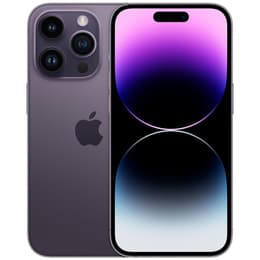
iPhone 11 Pro Vs iPhone 14 Pro
- 1-year minimum warranty
- Free delivery on all items
- Free 30-day returns
Differences at a glance
The iPhone 11 Pro, released in September 2019, and the iPhone 14 Pro, launched in September 2022, represent different generations of Apple's premium smartphone line. While both devices offer a high-end user experience, the iPhone 14 Pro introduces significant advancements in display technology, camera capabilities, and processing power. These differences cater to varying user needs and priorities, making a detailed comparison valuable for those considering either model.
Available Models
Colour
Storage (GB)
Scores
Durability
When evaluating the longevity of these devices, several factors come into play, including their release timelines, software support, and repairability.
- Release Timeline: The iPhone 11 Pro was introduced in late 2019, making it a more mature device, while the iPhone 14 Pro arrived three years later in 2022. This age difference directly impacts their remaining support cycles.
- Software Longevity: Apple typically provides major iOS updates for its iPhones for approximately 5-7 years. The iPhone 11 Pro is expected to receive major iOS updates until late 2026, with security updates potentially extending beyond that. The iPhone 14 Pro, being newer, is anticipated to receive major iOS updates until around 2029, offering a longer period of access to new features and enhancements. [21, 26, 27, 32, 34]
- Repairability: The iPhone 11 Pro received an initial repairability score of 6 out of 10 from iFixit, indicating a moderate ease of repair for critical components like the display and battery. [8] The iPhone 14 Pro initially received a higher score, but this was later downgraded to 4 out of 10 due to Apple's parts pairing policies, which complicate repairs with non-official components. [14, 16, 22, 23, 24]
Year of Release
2019
2022
Compatible with latest Update
Yes
Yes
OS
iOS
iOS
Foldable
No
No
Performance
The performance of a smartphone is crucial for daily tasks, from launching applications to demanding multitasking and gaming. Both models offer robust performance for their respective generations.
- Processing Power: The iPhone 11 Pro, with its earlier generation processor, handles everyday applications and general multitasking smoothly. Users report a consistently fluid experience for most common activities. [15, 19] The iPhone 14 Pro features a significantly more advanced processor, providing a noticeable boost in speed and efficiency. This translates to faster app loading, smoother transitions, and enhanced performance in graphically intensive games and professional applications. [1, 11, 18]
- Multitasking Capabilities: The iPhone 11 Pro comes with 4GB of RAM, which is sufficient for managing several applications simultaneously without significant slowdowns for most users. [3, 7, 19] The iPhone 14 Pro includes 6GB of RAM, allowing for more aggressive multitasking and keeping a greater number of applications active in the background, which benefits power users. [1, 11]
- Storage Options: The iPhone 11 Pro was available with storage capacities up to 512GB, while the iPhone 14 Pro offers options up to 1TB, providing more space for high-resolution media and extensive application libraries. [4, 7, 11]
Screen quality
The display is a primary interface for smartphone interaction, and both iPhones offer high-quality viewing experiences with distinct characteristics.
- Display Technology and Clarity: Both devices feature OLED displays, known for their deep blacks and vibrant colors. The iPhone 11 Pro has a 5.8-inch Super Retina XDR OLED display with a resolution of 2436x1125 pixels, resulting in sharp visuals. [3, 7, 35] The iPhone 14 Pro upgrades to a 6.1-inch Super Retina XDR OLED display with a slightly higher resolution of 2556x1179 pixels, maintaining excellent clarity. [1, 9]
- Brightness and Outdoor Visibility: The iPhone 11 Pro offers a typical maximum brightness of 800 nits and a peak HDR brightness of 1200 nits, providing good visibility in various lighting conditions. [7, 35] The iPhone 14 Pro significantly enhances this with a typical maximum brightness of 1000 nits and an impressive peak HDR brightness of 2000 nits, making it exceptionally bright and easy to view even in direct sunlight. [9, 11]
- Refresh Rate and Smoothness: The iPhone 11 Pro features a standard 60Hz refresh rate. The iPhone 14 Pro introduces ProMotion technology, offering an adaptive refresh rate up to 120Hz. This results in noticeably smoother scrolling, more fluid animations, and a more responsive feel during interactions. [9, 11, 18] The iPhone 14 Pro also includes an Always-On Display feature, which keeps essential information visible on the screen at all times with minimal battery drain. [9, 11, 25]
Resolution
1125 x 2436
1179 x 2556
Screen type
Super Retina XDR OLED
LTPO Super Retina XDR OLED
Audiovisual
Both iPhone Pro models are renowned for their camera systems, designed to capture high-quality photos and videos, though the newer model brings substantial improvements.
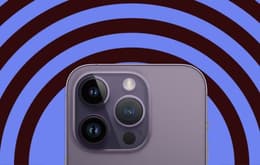
- Camera System Configuration: The iPhone 11 Pro features a versatile triple 12-megapixel camera system, including a wide, ultra-wide, and telephoto lens, offering flexibility for various shooting scenarios. [3, 7] The iPhone 14 Pro elevates this with a 48-megapixel main sensor, alongside 12-megapixel ultra-wide and telephoto lenses, allowing for greater detail capture and more advanced computational photography. [1, 9, 10]
- Photography Performance: The iPhone 11 Pro delivers excellent image quality in good lighting and introduced Night Mode for improved low-light performance. [15, 19, 33] The iPhone 14 Pro offers superior low-light performance, capturing more detail and reducing noise in challenging conditions, and produces sharper, more detailed images overall due to its larger main sensor. [13, 18, 25]
- Video Recording and Audio: Both devices are capable of recording high-quality video. The iPhone 14 Pro introduces advanced video features like Cinematic Mode and Action Mode, providing more creative control and enhanced stabilization. [9] User reviews for both models generally praise their microphone quality for calls and recordings, and their speaker output for media consumption. [18, 19, 33]
Main camera
12 megapixels
48 megapixels
Front camera
12 megapixels
12 megapixels
Miscellaneous
Beyond core features, several practical elements contribute to the overall user experience and differentiate these two iPhone Pro models.
- Connectivity: The iPhone 11 Pro supports 4G LTE for cellular data and Wi-Fi 6 for wireless internet. [3, 7] The iPhone 14 Pro steps up to 5G connectivity, offering faster download and upload speeds in supported areas, and also supports Wi-Fi 6. [1, 9] Both models utilize the Lightning port for charging and data transfer.
- Biometric Security and Sensors: Both devices rely on Face ID for secure facial recognition. The iPhone 14 Pro introduces additional safety features such as Crash Detection and Emergency SOS via Satellite, which can automatically alert emergency services in critical situations. [1, 9, 11]
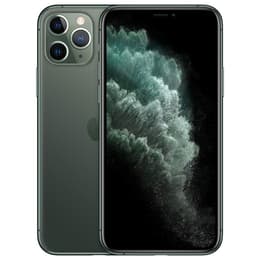
- Design and Handling: The iPhone 11 Pro features a stainless steel frame with curved edges and a frosted glass back, which many users found comfortable to hold. [31] The iPhone 14 Pro also uses a stainless steel frame but adopts a flatter-edged design. It is slightly heavier than the 11 Pro. [1, 7, 13, 25]
Weight
188 g
206 g
Screen size (in)
5.8
6.1
Mobile network
4G
5G
SIM card
Physical SIM + eSIM
Physical SIM + eSIM
Carrier compatibility
Unlocked
Unlocked
Connector
Lightning
Lightning
What the community thinks
The iPhone 11 Pro and iPhone 14 Pro cater to different user expectations, largely due to the technological advancements made over three generations. The iPhone 11 Pro is frequently praised by users for its comfortable design, robust battery life for its time, and a camera system that still performs well in many everyday scenarios. [15, 19, 31, 33] Some users, however, note that its performance can show signs of aging with the latest iOS versions and demanding applications. [29]
The iPhone 14 Pro receives acclaim for its vibrant and smooth ProMotion display, significantly upgraded camera capabilities, and powerful processing that ensures a highly responsive experience. [13, 18, 25] Common feedback includes appreciation for the Dynamic Island and the Always-On Display. Some users have noted that the battery life, while solid, might not be groundbreaking for heavy use, and the device's weight can be a factor for some. [13, 20, 25]
Users prioritizing a more modern design, cutting-edge camera technology, and the longest possible software support will find the iPhone 14 Pro well-suited to their needs. Its advanced display and performance are ideal for those who consume a lot of media, play demanding games, or require a highly responsive device for productivity. Conversely, users who value a more compact and ergonomically curved design, and who primarily use their phone for general tasks, social media, and casual photography, may find the iPhone 11 Pro still offers a capable and satisfying experience. Opting for a quality-assured refurbished option for either model can also be an eco-friendly alternative, extending the life of these devices and making a sustainable choice.