
iPhones
Compare models
Differences at a glance
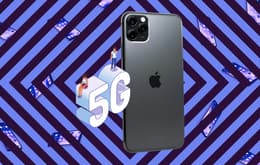
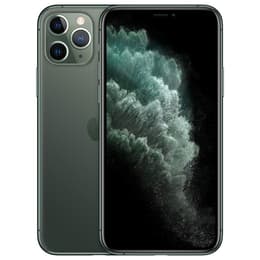
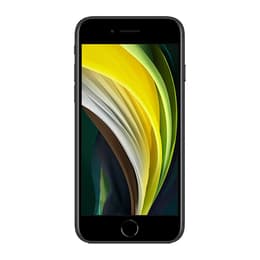
The iPhone 11 Pro, released in September 2019, and the iPhone SE (2nd generation), launched in April 2020, represent different approaches within Apple's smartphone lineup. While both devices share the powerful A13 Bionic chip, they cater to distinct user preferences through their design, display technology, and camera capabilities. The iPhone 11 Pro was a flagship model, offering advanced features, whereas the iPhone SE 2020 provided a more compact form factor with a classic design.
Colour
Storage (GB)
When considering the long-term usability of these devices, several factors contribute to their expected lifespan, including software support and physical resilience.
Year of Release
Compatible with latest Update
OS
Foldable
Despite their different market positions, both the iPhone 11 Pro and iPhone SE 2020 deliver comparable core processing power, though differences emerge in multitasking and battery endurance.
The visual experience is a significant differentiator between these two iPhone models, primarily due to their underlying display technologies and physical dimensions.
Resolution
Screen type
The camera systems present one of the most significant distinctions between the iPhone 11 Pro and the iPhone SE 2020, catering to different levels of photographic ambition.
Main camera
Front camera
Beyond core performance and display, several practical elements contribute to the overall user experience and differentiate these two iPhone models.
Weight
Screen size (in)
Mobile network
SIM card
Carrier compatibility
Connector
User feedback for the iPhone 11 Pro often highlights its exceptional camera system, particularly the versatility of its triple lenses and the quality of its OLED display. Many users appreciate its robust build and extended battery life compared to previous models. Some common criticisms include its weight and the absence of a compact 'Pro' option in later generations. For the iPhone SE 2020, users frequently praise its familiar compact design, the convenience of Touch ID, and the powerful performance delivered by the A13 Bionic chip in a smaller form factor. Criticisms often point to its older design aesthetic with larger bezels, the LCD display technology, and its single camera setup, which, while capable, lacks the advanced features of the Pro models. Its battery life is also noted as being shorter than larger iPhones.
Users prioritizing an advanced and versatile camera system, a vibrant OLED display, and longer battery life will find the iPhone 11 Pro well-suited to their needs. Its premium build and larger screen are ideal for media consumption and photography enthusiasts. Conversely, users who prefer a compact device that is easy to handle with one hand, value the traditional Home button with Touch ID, and appreciate a powerful processor in a classic design will likely lean towards the iPhone SE 2020. Both devices offer a reliable Apple experience, and choosing between them depends on whether a user values cutting-edge display and camera technology or a more traditional, compact form factor. Opting for a quality-assured refurbished option for either model presents an eco-friendly alternative.