
Compare models

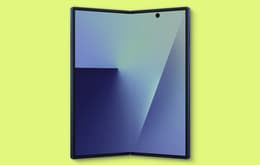
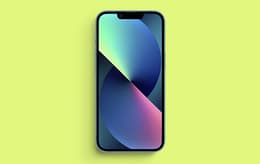
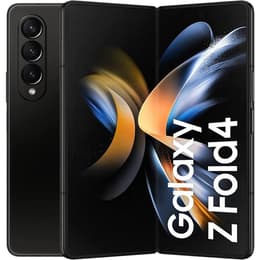
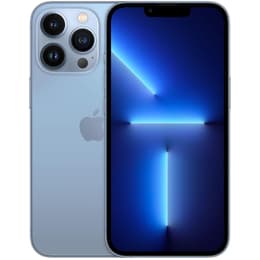
Galaxy Z Fold4 Vs iPhone 13 Pro

  • 1-year minimum warranty
  • Free delivery on all items
  • Free 30-day returns
Galaxy Z Fold4
Galaxy Z Fold4
Starting at

Refurbished price:£341.00

Versus £1,889.00 new

See options
iPhone 13 Pro
iPhone 13 Pro
Starting at

Refurbished price:£237.00

Versus £949.00 new

See options

Differences at a glance

The Samsung Galaxy Z Fold4 (2022) and the Apple iPhone 13 Pro (2021) represent two distinct philosophies in the premium smartphone market. While the Galaxy Z Fold4 pushes the boundaries of mobile productivity with its unique folding design and expansive internal display, the iPhone 13 Pro offers a refined, traditional smartphone experience focused on reliability and high-end media capabilities. Operating on Android and iOS respectively, these devices cater to different user ecosystems and daily workflows, providing distinct ways to interact with mobile software and hardware.

Scores

Durability

These two smartphones offer different expectations for long-term use based on their release dates and physical designs.

  • Software Longevity: The iPhone 13 Pro, released in late 2021, typically benefits from Apple's long-term software support, often providing updates for six to seven years. The Galaxy Z Fold4, launched in 2022, follows a structured update policy that ensures several years of major operating system upgrades and security patches, keeping the device current for a significant period.
  • Physical Resilience: The iPhone 13 Pro features a stainless steel frame and a glass back, offering a sturdy feel and high resistance to dust and water. In contrast, the Galaxy Z Fold4 utilises a complex hinge mechanism and a flexible internal screen; while it is water-resistant, its moving parts and specialised display materials require more careful handling compared to a standard flat-screen device.
  • Repairability: Standard smartphone designs like the iPhone 13 Pro are generally more straightforward to service at professional repair centres. The Galaxy Z Fold4 involves a more intricate internal layout due to its folding nature, which can make certain repairs more specialised.

Year of Release

2022

2021

Compatible with latest Update

Yes

Yes

OS

Android

iOS

Foldable

Yes

No

Performance

Both devices are engineered to handle demanding tasks with ease, though they distribute their power differently to suit their specific form factors.

  • System Responsiveness: The Galaxy Z Fold4 is optimised for heavy multitasking, allowing users to run three apps simultaneously on the large screen without lag. Its internal hardware ensures that switching between the cover screen and the main display is fluid and instantaneous. The iPhone 13 Pro focuses on consistent, smooth animations and rapid app launching, maintaining a high level of performance even during intensive video editing or high-frame-rate gaming.
  • Battery and Efficiency: The iPhone 13 Pro is noted for its efficient power management, often lasting through a full day of varied use despite its smaller physical footprint. The Galaxy Z Fold4 houses a larger battery system to support its two displays, providing enough energy for a standard workday, though heavy use of the large internal screen will naturally increase power consumption.
  • Storage and Multitasking: Both models offer generous storage capacities ranging from 128GB to 1TB, catering to users who store large media libraries. The Galaxy Z Fold4 includes more memory to support its advanced multitasking features, while the iPhone 13 Pro uses its memory efficiently to keep background processes ready for immediate access.

Memory (GB)

12 GB

6 GB

Screen quality

The display technology is the most significant point of divergence between these two devices, impacting how users consume content and interact with apps.

  • Display Versatility: The Galaxy Z Fold4 features a dual-screen setup, including a 6.2-inch outer display for quick tasks and a massive 7.6-inch internal AMOLED screen that provides a tablet-like experience. This larger canvas is ideal for reading documents, editing spreadsheets, or watching cinematic content. The iPhone 13 Pro utilises a 6.1-inch OLED display that prioritises colour accuracy and high pixel density for a sharp, clear viewing experience in a more compact size.
  • Smoothness and Brightness: Both smartphones incorporate high refresh rate technology, reaching up to 120Hz, which makes scrolling through lists and navigating the interface feel incredibly fluid. They also offer high peak brightness levels, ensuring that text and images remain clearly visible even when used outdoors under direct sunlight.
  • Practical Viewing: The iPhone 13 Pro provides a traditional aspect ratio that fits most social media and video content perfectly. The Galaxy Z Fold4's nearly square internal display offers more vertical space for productivity but may result in larger black bars when viewing standard widescreen videos.

Resolution

1812 x 2176

1170 x 2532

Screen type

Foldable Dynamic AMOLED 2X

Super Retina XDR OLED

Audiovisual

Photography and video capabilities are central to both devices, though they offer different strengths for creators and casual users.

  • Versatile Photography: The Galaxy Z Fold4 features a triple-lens system with a high-resolution main sensor that captures fine detail in various lighting conditions. Its telephoto lens provides significant optical zoom, allowing users to get closer to distant subjects without losing clarity. The iPhone 13 Pro also uses a triple-camera array, which is highly regarded for its natural colour reproduction and consistent performance across all three lenses, from ultra-wide to telephoto.
  • Video Production: The iPhone 13 Pro is a preferred choice for mobile videographers due to its advanced recording formats and stable video capture, including features that allow for shifting focus after a video has been recorded. The Galaxy Z Fold4 offers high-quality video recording as well, with the added benefit of using the cover screen as a viewfinder for high-quality selfies using the main rear cameras.
  • Low-Light Performance: Both devices excel in night-time photography, using sophisticated software processing to brighten dark scenes while maintaining detail and reducing visual noise. The iPhone 13 Pro's sensors are particularly adept at capturing light quickly, while the Galaxy Z Fold4 uses its updated sensor to improve clarity in dim environments.

Main camera

50 megapixels

12 megapixels

Front camera

4 megapixels

12 megapixels

Miscellaneous

Beyond the core specifications, several practical features influence the daily handling and connectivity of these smartphones.

  • Connectivity and Ports: Both devices support 5G networks for fast mobile data and include modern Wi-Fi and Bluetooth standards for stable wireless connections. The Galaxy Z Fold4 uses a universal USB-C port for charging and data transfer, which is compatible with a wide range of modern accessories. The iPhone 13 Pro utilises the Lightning port, which integrates seamlessly with the existing ecosystem of Apple peripherals.
  • Biometrics and Security: The iPhone 13 Pro relies on facial recognition technology for secure unlocking and authentication, which works quickly in most lighting conditions. The Galaxy Z Fold4 uses a fingerprint sensor integrated into the power button on the side, allowing for easy access whether the device is folded or unfolded.
  • Physical Dimensions: There is a notable difference in weight and thickness; the Galaxy Z Fold4 is heavier and thicker when folded, making it more prominent in a pocket. The iPhone 13 Pro is thinner and lighter, offering a more traditional feel in the hand and easier one-handed operation for most users.

Weight

263 g

203 g

Screen size (in)

7.6

6.1

Mobile network

5G

5G

SIM card

Dual Physical SIM + eSIM

Physical SIM + eSIM

Carrier compatibility

Unlocked

Unlocked

What the community thinks

User consensus on forums highlights the distinct appeal of each device. The Galaxy Z Fold4 is frequently praised by power users for its transformative multitasking capabilities and the unique experience of its folding screen, though some users note the visible crease on the internal display and the device's overall bulk. The iPhone 13 Pro is often lauded for its exceptional battery life, consistent camera performance, and the reliability of its software ecosystem, with the main criticisms focusing on the presence of the display notch and its relatively heavy weight for a standard-sized phone.

Users who prioritise productivity, large-scale media consumption, and innovative hardware will likely find the Galaxy Z Fold4 to be a compelling choice that changes how they use a mobile device. Conversely, users who value a refined, reliable experience with a focus on high-quality photography and long-term software support may prefer the iPhone 13 Pro. Choosing a quality-assured refurbished option like the Galaxy Z Fold4 allows users to access cutting-edge foldable technology while supporting a circular economy. Similarly, the iPhone 13 Pro remains a sustainable choice for those seeking a high-performance device that will remain functional for many years. Ultimately, the decision rests on whether a user prefers the versatility of a foldable screen or the polished efficiency of a traditional flagship smartphone.