
Google Pixel 7 Pro Vs iPhone SE (2020)

Google Pixel 7 Pro
Google Pixel 7 Pro
Starting at

Refurbished price:£169.75

Versus £899.99 new

See options
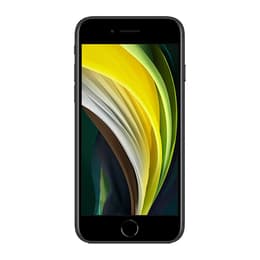
iPhone SE (2020)
iPhone SE (2020)
Starting at

Refurbished price:£67.00

Versus £289.00 new

See options

Ratings

The Google Pixel 7 Pro, released in 2022, and the iPhone SE (2020) represent two very different approaches to the smartphone experience. While the Pixel 7 Pro is a large-format flagship running the Android operating system, the iPhone SE (2020) is a compact, classic-style device powered by iOS. These devices cater to distinct needs, with the Pixel focusing on advanced photography and a modern interface, whereas the iPhone SE prioritises familiarity and one-handed usability. Choosing between them involves weighing the benefits of a contemporary, feature-rich experience against a more traditional, streamlined approach.

Scores

Durability

The age gap between these two devices significantly impacts their expected lifespan and software support duration.

  • Software Longevity: The Pixel 7 Pro, being a 2022 release, is scheduled to receive security updates for several years, ensuring it remains protected against modern threats. In contrast, the iPhone SE (2020) is an older model, meaning its window for major iOS updates is naturally shorter, which may affect its ability to run the latest applications in the near future.
  • Build and Repairability: The Pixel 7 Pro features a modern glass-and-metal construction with high water resistance, while the iPhone SE (2020) uses a tried-and-tested design that is widely recognised by repair technicians. Both devices have established repair paths, though the Pixel's newer components may be more readily available for a longer period.
  • Practical Lifespan: Users can expect the Pixel 7 Pro to remain relevant for a longer duration due to its more recent hardware, whereas the iPhone SE (2020) is better suited for those who do not require the latest software features for many years to come.

Year of Release

2022

2020

Compatible with latest Update

Yes

Yes

OS

Android

iOS

Foldable

No

No

Performance

Performance on these devices is tailored to different types of users, from power-hungry multitaskers to those with more modest daily requirements.

  • System Responsiveness: The Pixel 7 Pro is designed to handle demanding tasks, such as high-end gaming and complex photo editing, with ease. Its high amount of memory allows for seamless switching between numerous open apps. The iPhone SE (2020), while efficient for its size, is better suited for standard tasks like messaging and browsing, as it may slow down when pushed with heavy multitasking.
  • Battery Endurance: With a much larger physical footprint, the Pixel 7 Pro houses a high-capacity battery that typically lasts through a full day of intensive use. The iPhone SE (2020) has a significantly smaller battery, which often requires a mid-day top-up for users who are frequently on their phones.
  • Storage and Utility: Both devices offer various storage capacities, but the Pixel 7 Pro's modern architecture allows for faster data processing, which is noticeable when saving large files or launching heavy applications.

Memory (GB)

12 GB

3 GB

Screen quality

The viewing experience is perhaps the most immediate difference between these two smartphones, affecting everything from reading text to watching videos.

  • Display Technology: The Pixel 7 Pro utilises a vibrant OLED panel that provides deep blacks and high contrast, making it ideal for media consumption. The iPhone SE (2020) uses a traditional LCD screen, which offers natural colours but lacks the intense depth and energy efficiency found in OLED technology.
  • Size and Clarity: At 6.7 inches, the Pixel 7 Pro offers a massive canvas with a very high resolution, ensuring that images and text appear incredibly sharp. The iPhone SE (2020) features a much smaller 4.7-inch display, which is easier to navigate with one hand but provides less space for content and lower overall detail.
  • Smoothness of Motion: The Pixel 7 Pro supports a high refresh rate, meaning animations and scrolling look fluid and responsive. The iPhone SE (2020) operates at a standard refresh rate, which feels functional but lacks the ultra-smooth visual feedback of its more modern counterpart.

Resolution

1440 x 3120

750 x 1334

Screen type

LTPO AMOLED

Retina IPS LCD

Audiovisual

Photography capabilities vary significantly here, with one device offering a professional-grade toolkit and the other focusing on simple, reliable snapshots.

  • Versatility and Zoom: The Pixel 7 Pro features a triple-lens system, including a dedicated telephoto lens for high-quality zoomed-in shots and an ultra-wide lens for landscapes. The iPhone SE (2020) has a single rear camera, which limits its flexibility; it cannot zoom optically or capture wide-angle perspectives.
  • Low-Light Performance: Thanks to advanced software processing, the Pixel 7 Pro excels in dark environments, capturing clear photos where other cameras might struggle. The iPhone SE (2020) performs well in bright daylight but lacks a dedicated night mode, resulting in grainier images when the lights go down.
  • Video and Audio: Both devices record high-quality video, but the Pixel 7 Pro offers more advanced stabilisation and clearer microphone pickup for recording in noisy environments. The iPhone SE (2020) remains a solid choice for quick video clips, providing consistent colour and reliable focus.

Main camera

50 megapixels

12 megapixels

Front camera

10.8 megapixels

7 megapixels

Miscellaneous

Beyond the core specifications, the physical design and connectivity options define how these phones fit into your daily routine.

  • Connectivity and Ports: The Pixel 7 Pro supports 5G networks for faster mobile data and uses a universal USB-C port for charging. The iPhone SE (2020) is limited to 4G LTE speeds and uses the proprietary Lightning connector, which may require specific cables if you are moving from other modern electronics.
  • Biometrics and Security: For unlocking the device, the Pixel 7 Pro offers both a fingerprint sensor hidden under the screen and facial recognition. The iPhone SE (2020) retains the classic Home button with a physical fingerprint scanner, which many users find tactile and reliable.
  • Portability and Build: Weighing significantly more and being much larger, the Pixel 7 Pro requires two hands for comfortable use. The iPhone SE (2020) is one of the lightest and smallest smartphones available, making it perfect for small pockets and effortless one-handed operation.

Weight

212 g

148 g

Screen size (in)

6.7

4.7

Mobile network

5G

4G

SIM card

Physical SIM + eSIM

Physical SIM + eSIM

Carrier compatibility

Unlocked

Unlocked

The Google Pixel 7 Pro and the iPhone SE (2020) cater to fundamentally different user priorities. According to user discussions on various tech forums, the Pixel 7 Pro is frequently praised for its exceptional camera quality and its expansive, fluid display. However, some users note that its large size can be cumbersome for those with smaller hands. On the other hand, the iPhone SE (2020) is lauded for its compact form factor and the simplicity of the iOS ecosystem, though its battery life is a common point of criticism among heavy users.

Users who prioritise high-end photography, immersive media viewing, and the latest software features will likely find the Pixel 7 Pro to be the more suitable choice. Conversely, users who prefer a small, lightweight device that is easy to operate with one hand and who primarily use their phone for basic communication may lean toward the iPhone SE (2020). For those looking to make a sustainable choice, opting for a quality-assured refurbished option is an excellent way to acquire these technologies while reducing environmental impact. Ultimately, the decision rests on whether you value a modern, large-screen experience or the classic, compact reliability of a traditional smartphone. Choosing a sustainable choice like a refurbished device ensures you get a high-performing phone that has been thoroughly tested for quality.


See all articles

Our recent comparisons