Galaxy Z Fold4 Vs iPhone 14

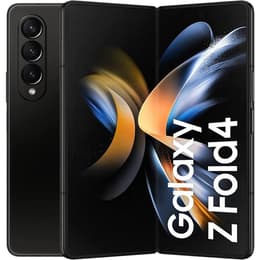
Galaxy Z Fold4
Galaxy Z Fold4
Starting at

Refurbished price:£352.00

Versus £1,889.00 new

See options
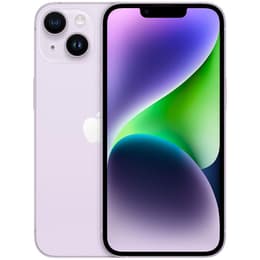
iPhone 14
iPhone 14
Starting at

Refurbished price:£229.00

Versus £599.00 new

See options

Ratings

The Samsung Galaxy Z Fold4 and the Apple iPhone 14, both released in 2022, represent two fundamentally different approaches to the modern smartphone experience. While the Galaxy Z Fold4 is a pioneering foldable device designed for high-level productivity and expansive media consumption, the iPhone 14 remains a refined, traditional smartphone focused on reliability, simplicity, and ease of use. These devices operate on Android and iOS respectively, offering distinct software ecosystems that influence everything from app customisation to long-term device management.

Choosing between them involves weighing the benefits of a versatile, transforming display against the consistent, streamlined performance of a classic flagship design. This comparison explores how these two devices perform in real-world scenarios to help you decide which fits your lifestyle.

Scores

Durability

Both the Galaxy Z Fold4 and the iPhone 14 arrived in late 2022, meaning they are currently in the middle of their primary support cycles with several years of utility ahead.

  • Software Longevity: The iPhone 14 typically receives operating system updates for six to seven years from its launch, while the Galaxy Z Fold4 is committed to four years of major Android updates and five years of security patches, ensuring both remain current for the foreseeable future.
  • Physical Resilience: The iPhone 14 uses a traditional glass and aluminium build with a ceramic shield for screen protection, whereas the Galaxy Z Fold4 features a complex hinge mechanism and a flexible internal screen that requires more mindful handling than a standard slab phone.
  • Maintenance and Repair: Choosing a quality-assured refurbished option for either device ensures that the hardware has been professionally inspected, which is particularly beneficial for the Fold4’s moving parts and the iPhone’s internal battery health.

Year of Release

2022

2022

Compatible with latest Update

Yes

Yes

OS

Android

iOS

Foldable

Yes

No

Performance

These devices handle demanding tasks with ease, though their internal configurations are optimised for different types of user interaction and multitasking needs.

  • Multitasking and Productivity: The Galaxy Z Fold4 is specifically designed for running multiple apps simultaneously, allowing users to drag and drop content between windows with a level of fluidity usually reserved for tablets or laptops.
  • System Responsiveness: The iPhone 14 provides a consistently smooth experience for daily social media, photography, and communication, maintaining high speeds and low latency even as the device ages and more demanding software is released.
  • Battery and Efficiency: While the Galaxy Z Fold4 has a larger physical battery to power its two screens, the iPhone 14 is noted for its efficient power management during standby and standard usage, often lasting a full day for average users without needing a midday charge.

Memory (GB)

12 GB

6 GB

Screen quality

The most visible difference between these two smartphones lies in their display technology, offering vastly different viewing experiences for work and play.

  • Display Versatility: The Galaxy Z Fold4 features a 6.2-inch outer screen for quick tasks and a massive 7.6-inch internal folding screen that provides a tablet-like experience for reading, editing documents, and watching widescreen video.
  • Visual Clarity and Smoothness: The iPhone 14 utilises a 6.1-inch OLED display that offers excellent colour accuracy and brightness for outdoor use, while the Galaxy Z Fold4 provides a higher refresh rate on both screens, making scrolling and animations appear more fluid.
  • User Experience: Users who enjoy immersive gaming or watching films will appreciate the Fold4’s expansive canvas, while those who prefer comfortable one-handed use will find the iPhone 14’s compact and sharp display more practical for daily navigation.

Resolution

1812 x 2176

1170 x 2532

Screen type

Foldable Dynamic AMOLED 2X

Super Retina XDR OLED

Audiovisual

Photography and video capabilities are central to both devices, though their hardware configurations offer different creative possibilities for capturing memories.

  • Camera Versatility: The Galaxy Z Fold4 includes a dedicated telephoto lens for optical zoom, allowing for clear photos of distant subjects, whereas the iPhone 14 relies on a dual-lens system that excels at wide-angle shots and natural-looking portraits.
  • Video and Consistency: The iPhone 14 is frequently praised for its video stabilisation and natural colour processing, making it a reliable choice for capturing quick clips and high-quality social media content with minimal editing required.
  • Audio and Media: Both devices feature stereo speakers that provide clear audio for calls and media, though the Galaxy Z Fold4’s larger frame allows for a wider soundstage when unfolded, which enhances the cinematic feel of videos and music.

Main camera

50 megapixels

12 megapixels

Front camera

4 megapixels

12 megapixels

Miscellaneous

Beyond the screens and cameras, the physical footprint and connectivity of these devices define their daily utility and how they feel in your pocket.

  • Portability and Weight: The iPhone 14 is significantly lighter and thinner, fitting easily into small pockets or bags, whereas the Galaxy Z Fold4 is a heavier device that feels more substantial in the hand due to its folding design.
  • Biometrics and Ports: The iPhone 14 uses facial recognition for secure access and a Lightning port for charging, while the Galaxy Z Fold4 employs a side-mounted fingerprint sensor and a universal USB-C port for wider cable compatibility.
  • Connectivity and Input: Both smartphones support 5G for fast mobile data, but the Galaxy Z Fold4 includes support for a stylus, which can be a deciding factor for users who like to take handwritten notes or draw on their device.

Weight

263 g

172 g

Screen size (in)

7.6

6.1

Mobile network

5G

5G

SIM card

Dual Physical SIM + eSIM

Physical SIM + eSIM

Carrier compatibility

Unlocked

Unlocked

User feedback from various tech communities highlights the distinct strengths of each device. The Galaxy Z Fold4 is often lauded by enthusiasts for its innovative design and the genuine utility of its large inner screen for professional work, though some users express caution regarding the long-term durability of the screen crease. Conversely, the iPhone 14 is praised for its reliable performance and the strength of its software ecosystem, though some users find the lack of a high refresh rate display a missed opportunity for a modern flagship device.

Users who prioritise productivity, frequent multitasking, and a tablet-like experience in their pocket will likely find the Galaxy Z Fold4 to be the more suitable choice for their needs. Those who prefer a dependable, lightweight, and straightforward smartphone experience that integrates seamlessly with other Apple products will lean toward the iPhone 14. Opting for a sustainable choice like a refurbished model allows users to access these high-end technologies while contributing to a more circular economy. Ultimately, the decision rests on whether one values the innovative flexibility of a folding screen or the proven consistency of a traditional smartphone design.

See all articles

Our recent comparisons