Galaxy S24 Ultra Vs Google Pixel 7A

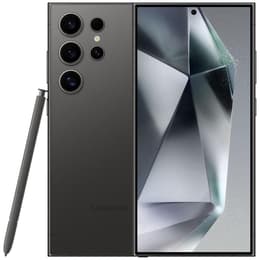
Galaxy S24 Ultra
Galaxy S24 Ultra
Starting at

Refurbished price:£426.00

Versus £1,357.64 new

See options
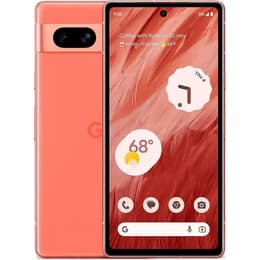
Google Pixel 7A
Google Pixel 7A
Starting at

Refurbished price:£128.00

Versus £649.99 new

See options

Ratings

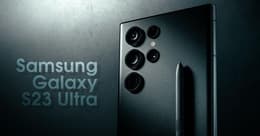
The Samsung Galaxy S24 Ultra, released in January 2024, and the Google Pixel 7a, launched in May 2023, represent distinct offerings within the Android smartphone market. While the S24 Ultra stands as a premium flagship device, the Pixel 7a is positioned as a more accessible option, both running on the Android operating system. The primary distinctions lie in their overall build, camera capabilities, and the level of performance they offer for different user needs.

Scores

Durability

When considering the long-term usability of these devices, their release timelines and software support policies are key factors. The Galaxy S24 Ultra, being a newer device, benefits from an extended support period compared to the Pixel 7a.

  • Software Longevity: The Samsung Galaxy S24 Ultra is set to receive seven years of OS upgrades and security updates, extending its software support until 2031. This commitment matches Google's own policy for its latest Pixel flagships, ensuring a prolonged period of up-to-date features and security. The Google Pixel 7a, released earlier, is assured of OS updates until May 2026 and security updates until May 2028.
  • Physical Durability: The S24 Ultra features a robust build with a titanium frame and Corning Gorilla Glass Armor on the front, offering enhanced resistance against drops and scratches. It also boasts an IP68 rating for dust and water resistance. The Pixel 7a incorporates Corning Gorilla Glass 3 for screen protection and has an IP67 rating for dust and water resistance.
  • Expected Lifespan: Users can expect the Galaxy S24 Ultra to remain current and secure for a significantly longer duration due to its extensive software support. The Pixel 7a offers a solid, though shorter, practical lifespan with its guaranteed updates.

Year of Release

2024

2023

Compatible with latest Update

Yes

Yes

OS

Android

Android

Foldable

No

No

Performance

The performance of a smartphone impacts everything from app responsiveness to gaming experiences. Both devices offer capable performance, but cater to different levels of demand.

  • Processing Power: The Galaxy S24 Ultra is equipped with a high-end processor designed for demanding tasks, offering smooth performance for heavy multitasking, intensive gaming, and advanced AI features. Users report no lag even with heavy multitasking and gaming. The Pixel 7a utilizes a processor that provides snappy, smooth, and responsive performance for everyday use and can handle many demanding applications.
  • Multitasking and Storage: The S24 Ultra typically comes with 12GB of RAM, providing ample capacity for seamless multitasking and running numerous applications simultaneously. Storage options for the S24 Ultra range from 256GB up to 1TB. The Pixel 7a features 8GB of RAM, which is sufficient for most users' multitasking needs, and comes with 128GB of internal storage as its sole option.
  • Battery Behavior: The Galaxy S24 Ultra houses a 5000 mAh battery, with users frequently praising its ability to last a full day even with heavy usage. The Pixel 7a has a 4385 mAh battery. While it generally offers a full day of use for moderate users, some heavy users have noted that the battery life can be a concern, especially during the initial adaptive learning period.

Memory (GB)

12 GB

8 GB

Screen quality

The display is a primary interface for any smartphone, and both devices offer vibrant viewing experiences, though with notable differences in size and technology.

  • Display Technology and Clarity: The Samsung Galaxy S24 Ultra features a large 6.8-inch Dynamic AMOLED 2X display with a high resolution of 3088x1440 pixels, resulting in a sharp and detailed image. The Google Pixel 7a has a more compact 6.1-inch OLED display with a resolution of 1080 x 2400 pixels, providing clear visuals for its size.
  • Brightness and Refresh Rate: The S24 Ultra's display can reach a peak brightness of 2600 nits, making it highly visible even in bright outdoor conditions, and offers an adaptive refresh rate from 1Hz to 120Hz for smooth scrolling and power efficiency. The Pixel 7a features a 90Hz refresh rate, contributing to a smoother user experience than standard 60Hz displays, and offers reasonably good brightness levels that can exceed 1000 nits for outdoor use.
  • Viewing Experience: The larger screen of the S24 Ultra provides an expansive canvas for media consumption and productivity, while the Pixel 7a's smaller size makes it more suitable for one-handed use and portability. The S24 Ultra also features Gorilla Glass Armor, which significantly reduces glare.

Resolution

1440 x 3120

1080 x 2400

Screen type

Dynamic LTPO AMOLED 2X

OLED

Audiovisual

Both smartphones offer capable camera systems, but they are designed with different photographic strengths and user expectations in mind.

  • Rear Camera System: The Samsung Galaxy S24 Ultra boasts a versatile quad-camera setup, including a 200MP wide sensor, a 12MP ultrawide, a 50MP telephoto with 5x optical zoom, and a 10MP telephoto with 3x optical zoom. This configuration allows for exceptional detail, clarity, and a wide range of zoom capabilities. The Google Pixel 7a features a dual-camera system with a 64MP primary sensor and a 13MP ultrawide lens.
  • Photography Performance: The S24 Ultra is praised for its top-notch camera performance, delivering incredible clarity, colors, and dynamic range, with strong low-light capabilities and impressive zoom. The Pixel 7a is known for its computational photography, producing excellent photos with good detail and color accuracy, particularly in everyday scenarios. Some users find the camera to be very good value for its segment.
  • Video and Audio: The S24 Ultra supports up to 8K video recording and offers advanced video stabilization features. It also includes stereo recording and wind noise reduction. The Pixel 7a records video in 4K at 30/60fps and 1080p at various frame rates, with gyro-EIS and OIS for stabilization. Both devices feature stereo speakers, contributing to a good media consumption experience.

Main camera

200 megapixels

64 megapixels

Front camera

12 megapixels

13 megapixels

Miscellaneous

Beyond the core features, several practical elements contribute to the overall user experience and differentiate these two devices.

  • Connectivity and Ports: The Galaxy S24 Ultra supports the latest Wi-Fi 7 standard, 5G connectivity, and Bluetooth 5.3, along with a USB 3.2 Type-C port. The Pixel 7a supports Wi-Fi 6E, 5G, Bluetooth 5.3, and features a USB-C 3.2 port.
  • Biometrics and Sensors: For security, the S24 Ultra uses an ultrasonic in-screen fingerprint sensor and facial recognition. It also includes an S Pen stylus integrated into its design, offering additional productivity features. The Pixel 7a features an optical in-screen fingerprint sensor and face unlock. Some users have reported inconsistencies with the Pixel 7a's fingerprint sensor.
  • Physical Characteristics: The S24 Ultra is a larger and heavier device, measuring 162.3 x 79 x 8.6 mm and weighing 233 grams, with a titanium frame. The Pixel 7a is more compact and lighter at 152 x 72.9 x 9 mm and 193.5 grams, featuring an aluminum frame and plastic back.

Weight

232 g

193 g

Screen size (in)

6.8

6.1

Mobile network

5G

5G

SIM card

Dual Physical SIM + eSIM

Physical SIM + eSIM

Carrier compatibility

Unlocked

Unlocked

The Samsung Galaxy S24 Ultra and Google Pixel 7a cater to different segments of the smartphone market, each with its own set of strengths and user appeal. User feedback for the S24 Ultra frequently highlights its exceptional battery life, powerful performance for demanding applications and gaming, and a highly capable camera system with impressive zoom capabilities. Its expansive, bright display and integrated S Pen are also commonly praised. Some criticisms include its large size, which may not suit all users, and the perception that while powerful, it might not offer revolutionary upgrades over its predecessor for every user.

For the Google Pixel 7a, common praise points revolve around its strong camera performance for its category, smooth user interface, and the inclusion of Google's AI-driven features. However, some users have expressed concerns regarding its battery life, particularly for heavy usage, and occasional inconsistencies with the fingerprint sensor. The display brightness in direct sunlight has also been a point of discussion for some.

Users prioritizing a top-tier, feature-rich experience with a large display, advanced camera versatility, and extended software support will find the Samsung Galaxy S24 Ultra well-suited to their needs. This device is ideal for professionals, content creators, and power users who require robust performance and a comprehensive feature set. Conversely, users who value a more compact form factor, a clean Android experience, and a capable camera for everyday photography without the need for extreme zoom or the absolute highest performance, may lean toward the Google Pixel 7a. It offers a balanced experience for general use, making it a strong choice for students or those seeking a reliable daily driver. Both devices, whether new or as quality-assured refurbished options, provide excellent choices depending on individual priorities.

See all articles

Our recent comparisons