
Compare models
Galaxy Z Flip7 Vs Google Pixel Fold
- 1-year minimum warranty
- Free delivery on all items
- Free 30-day returns
Differences at a glance
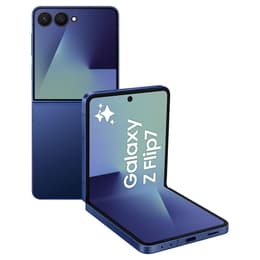
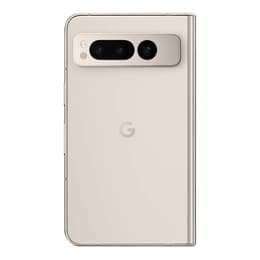
The Samsung Galaxy Z Flip7 (2025) and the Google Pixel Fold (2023) represent two distinct approaches to foldable mobile technology. While both devices feature folding displays, they adopt contrasting form factors: the Galaxy Z Flip7 uses a compact clamshell design that folds into a pocket-friendly square, whereas the Google Pixel Fold opens horizontally like a book to transform into a mini tablet. Both devices run on the Android operating system, though they offer different user interface experiences and target completely different daily workflows.
Available Models
Colour
Storage
Scores
Durability
When evaluating structural longevity and software support, these two devices reflect different generations of market releases and update commitments.
- Release Timeline and Software Support: The Galaxy Z Flip7 benefits from a newer release year, providing a longer window of upcoming software updates and security patches compared to the Google Pixel Fold.
- Build Durability and Hinge Design: Both models incorporate specialized folding hinges and protective glass layers, though users should expect foldable screens to require more careful handling than traditional smartphones over years of heavy daily use.
- Repairability: Professional repair services can address screen and battery replacements for both manufacturers, though servicing complex folding mechanisms generally involves specialized repair pathways.
Year of Release
2025
2023
Compatible with latest Update
Yes
Yes
OS
Android
Android
Foldable
Yes
Yes
Performance
Day-to-day operation, multitasking capability, and energy efficiency vary significantly due to internal architecture and hardware differences.
- Multitasking and App Responsiveness: Both devices handle standard web browsing, social media apps, and streaming smoothly, though the larger screen layout of the Google Pixel Fold is specifically tailored for running multiple apps side-by-side.
- Battery Behaviour: The Galaxy Z Flip7 manages power efficiency for a full day of mixed usage with its moderate battery capacity, while the Google Pixel Fold utilizes a larger battery pack to sustain its expansive internal screen during extended viewing sessions.
- Storage Configurations: Both devices are widely available in standard storage tiers suited for housing extensive photo libraries, applications, and offline media files without frequent clearing.
Screen quality
Display technology defines the core appeal of both models, offering high-contrast visuals tailored to very different interactive styles.
- Display Technology and Clarity: The Galaxy Z Flip7 features a vibrant flexible OLED main panel paired with an expansive outer cover screen, while the Google Pixel Fold provides a wider outer display and a large tablet-sized inner OLED screen for immersive media consumption.
- Outdoor Brightness: Both screens feature high peak brightness levels that maintain legibility under direct sunlight, ensuring notifications and maps remain clear outdoors.
- Refresh Rate and Smoothness: Both devices support a smooth 120Hz refresh rate across their main displays, resulting in fluid scrolling through web pages and responsive touch interactions during gaming.
Resolution
1080x2520
1840 x 2208
Screen type
Foldable Dynamic LTPO AMOLED
Foldable OLED
Audiovisual
Photography and multimedia output depend on multi-lens hardware arrays and built-in image processing software.
- Camera System Capabilities: The Galaxy Z Flip7 relies on a dual rear camera setup optimized for everyday clarity and flexible angled selfies, whereas the Google Pixel Fold utilizes a triple rear camera arrangement featuring dedicated optical zoom capabilities.
- Low-Light and Video Performance: Both devices capture detailed low-light photos and stable high-definition video recordings, supported by computational software that balances shadows and highlights automatically.
- Audio Output: Built-in stereo speakers on both models deliver clear sound for hands-free calls, casual video viewing, and podcast playback without requiring immediate external speakers.
Main camera
50 megapixels
48 megapixels
Front camera
10 megapixels
8 megapixels
Miscellaneous
Physical dimensions, connectivity standards, and daily handling characteristics determine how comfortably each device fits into a user's routine.
- Handling and Portability: The Galaxy Z Flip7 folds down into a lightweight, compact square that slips easily into small pockets or bags, while the Google Pixel Fold is heavier and wider, designed to offer a dual-screen experience closer to a small notebook.
- Connectivity and Ports: Both models support fast 5G cellular networks, modern Wi-Fi standards, and Bluetooth pairing, utilizing reversible USB-C ports for charging and data transfer.
- Biometric Security: Both devices integrate secure fingerprint recognition directly into their physical power buttons for quick unlocking.
Weight
188 g
283 g
Screen size (in)
6.9
7.6
Mobile network
5G
5G
SIM card
Physical SIM + eSIM
Physical SIM + eSIM
Carrier compatibility
Unlocked
Unlocked
What the community thinks
User feedback highlights distinct preferences for each device depending on personal habits and carrying styles. Owners of the Galaxy Z Flip7 frequently praise its pocket-friendly dimensions, fun clamshell utility, and convenient outer display for checking alerts on the go. Conversely, Google Pixel Fold users often highlight the benefits of the book-style unfolding screen for reading, split-screen productivity, and watching videos, though some note the heavier overall weight during single-handed use.
Users prioritizing a compact, highly portable device that fits easily into small pockets will find the Galaxy Z Flip7 well-suited to their needs. Meanwhile, users prioritizing a large tablet-style canvas for multitasking and media consumption may prefer the Google Pixel Fold. For buyers seeking a sustainable choice, opting for a quality-assured refurbished option provides a reliable way to access these advanced form factors while supporting eco-friendly technology consumption.