
Google Pixel Fold Vs iPhone SE (2020)

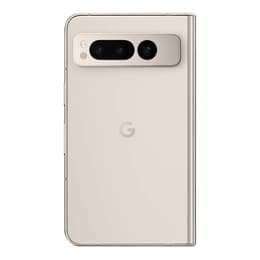
Google Pixel Fold
Google Pixel Fold
Starting at

Refurbished price:£371.00

Versus £1,499.00 new

See options
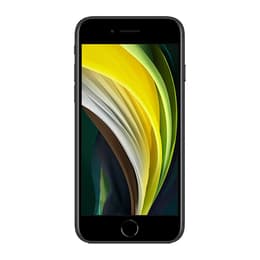
iPhone SE (2020)
iPhone SE (2020)
Starting at

Refurbished price:£67.00

Versus £289.00 new

See options

Ratings

The Google Pixel Fold (2023) and the iPhone SE 2020 represent two vastly different approaches to smartphone design and user experience. While the Pixel Fold introduces a versatile, folding form factor that expands into a tablet-like experience, the iPhone SE 2020 maintains a classic, compact design with a physical home button. These devices cater to distinct user needs, with the Pixel Fold running on the Android operating system and the iPhone SE 2020 utilizing Apple's iOS.

Choosing between these two models involves weighing the benefits of a large, adaptable screen against the simplicity of a traditional, pocket-friendly device. The Pixel Fold represents the modern evolution of multitasking hardware, whereas the iPhone SE 2020 serves as a reliable option for those who prefer a familiar interface and a smaller footprint.

Scores

Durability

The age difference between these two models significantly impacts their expected software support timelines and physical resilience over the coming years.

  • Software Longevity: The Pixel Fold, released in 2023, is expected to receive Android OS updates and security patches for several years, likely extending until 2028. In contrast, the iPhone SE 2020 is an older model that has already used a significant portion of its supported lifecycle, though Apple typically provides long-term updates for its devices compared to many other manufacturers.
  • Physical Resilience: The iPhone SE 2020 features a tried-and-tested glass and aluminium build that is relatively straightforward to repair. The Pixel Fold uses a complex hinge mechanism and a flexible internal screen, which requires more careful handling and specialized attention if repairs are needed.
  • Practical Lifespan: Users can expect the Pixel Fold to remain current with modern app requirements for a longer period due to its newer hardware, whereas the iPhone SE 2020 may eventually face limitations with more demanding future software updates.

Year of Release

2023

2020

Compatible with latest Update

Yes

Yes

OS

Android

iOS

Foldable

Yes

No

Performance

Performance on these devices is tailored to different usage patterns, ranging from intensive multitasking to straightforward daily communication and browsing.

  • System Responsiveness: The Pixel Fold is designed to handle multiple apps simultaneously on its large screen, offering smooth transitions and high responsiveness during heavy use. The iPhone SE 2020 provides a reliable experience for standard tasks like messaging and browsing, though it may struggle with the most intensive modern applications compared to newer hardware.
  • Battery Endurance: With its larger physical footprint, the Pixel Fold houses a high-capacity battery designed to power two screens throughout a full day of varied use. The iPhone SE 2020 has a much smaller battery, which generally requires more frequent charging, especially for users who frequently stream video or use navigation apps.
  • Storage and Memory: The Pixel Fold offers significant memory for keeping many apps open at once, while the iPhone SE 2020 has more modest internal resources suited for lighter, single-task usage.

Memory (GB)

12 GB

3 GB

Screen quality

The viewing experience is perhaps the most striking difference between these two smartphones, affecting everything from reading text to media consumption.

  • Display Technology: The Pixel Fold features vibrant OLED panels on both the exterior and interior, providing deep blacks and high contrast that remain clear even in bright outdoor light. The iPhone SE 2020 uses a traditional LCD screen, which offers natural colours but lacks the deep black levels and high brightness found on OLED displays.
  • Fluidity and Motion: The Pixel Fold supports a high refresh rate, making scrolling through lists and animations appear very smooth. The iPhone SE 2020 uses a standard refresh rate, which is functional for daily tasks but lacks the fluid visual feel of more modern display technologies.
  • Screen Real Estate: Users get a compact 5.8-inch outer screen or a massive 7.6-inch inner canvas on the Pixel Fold, whereas the iPhone SE 2020 is limited to a small 4.7-inch display, which is easier to use with one hand but offers less space for content.

Resolution

1840 x 2208

750 x 1334

Screen type

Foldable OLED

Retina IPS LCD

Audiovisual

Photography and media capabilities vary greatly, with one device offering a multi-lens system and the other focusing on a single, reliable sensor for everyday snapshots.

  • Camera Versatility: The Pixel Fold includes a triple-lens setup, allowing users to capture wide landscapes, standard portraits, and distant subjects with a dedicated zoom lens. The iPhone SE 2020 features a single rear camera that takes clear, natural photos in good lighting but lacks the flexibility for wide-angle or high-quality zoomed shots.
  • Low-Light Performance: Advanced software processing on the Pixel Fold helps it capture detailed images in dark environments. The iPhone SE 2020 performs well in daylight but may produce more grain and less detail when taking photos in dimly lit settings.
  • Media Experience: The Pixel Fold provides a more immersive experience for watching videos due to its large internal screen and stereo speakers. The iPhone SE 2020 offers clear audio for calls and videos but is limited by its smaller screen size and more traditional speaker arrangement.

Main camera

48 megapixels

12 megapixels

Front camera

8 megapixels

7 megapixels

Miscellaneous

Beyond the screens and cameras, the physical handling and connectivity standards of these devices define the daily user experience for different types of owners.

  • Connectivity Standards: The Pixel Fold supports modern 5G networks for faster mobile data speeds and uses a universal USB-C port for charging and data transfer. The iPhone SE 2020 is limited to 4G LTE speeds and uses the proprietary Lightning connector, which may require different cables than most modern electronics.
  • Security and Access: For unlocking the device, the Pixel Fold utilizes a fingerprint sensor integrated into the power button, while the iPhone SE 2020 uses the classic Touch ID sensor located on the front home button.
  • Portability and Weight: The iPhone SE 2020 is exceptionally light and thin, making it easy to carry in any pocket. The Pixel Fold is significantly heavier and thicker, especially when folded, which is a trade-off for its expansive internal display and larger battery.

Weight

283 g

148 g

Screen size (in)

7.6

4.7

Mobile network

5G

4G

SIM card

Physical SIM + eSIM

Physical SIM + eSIM

Carrier compatibility

Unlocked

Unlocked

Connector

USB-C

Lightning

User feedback for the Google Pixel Fold often highlights the impressive multitasking capabilities and the novelty of the folding screen, though some users note the device's weight as a consideration for long-term comfort. Conversely, the iPhone SE 2020 is frequently praised for its compact size and the familiarity of the home button, though its battery life is a common point of discussion among heavy users who find themselves needing a midday charge.

Users who prioritize a large screen for productivity, media, and modern photography will find the Pixel Fold aligns well with their needs. Those who prefer a small, lightweight phone for basic communication and one-handed use may lean toward the iPhone SE 2020. Choosing a quality-assured refurbished option for either device is a sustainable choice that helps reduce electronic waste while providing a reliable smartphone experience. Ultimately, the decision rests on whether you value the cutting-edge versatility of a foldable Android device or the classic, straightforward utility of a compact iPhone.


See all articles

Our recent comparisons