

Smartphones
Compare models
Differences at a glance
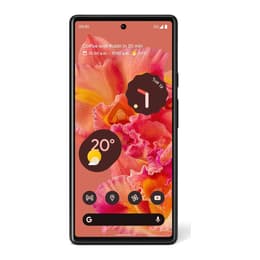
The Samsung Galaxy S10 Plus, released in March 2019, and the Google Pixel 6, launched in October 2021, are both Android smartphones that offered premium experiences at their respective times of release. While both devices run on the Android operating system, they represent different generations of mobile technology and distinct philosophies in hardware and software integration. The primary differentiators lie in their release age, camera capabilities, and the overall software experience each brand provides.
Colour
Storage (GB)
When considering the practical lifespan of these devices, their release timelines and software support policies are key factors.
Year of Release
Compatible with latest Update
OS
Foldable
The performance of these two smartphones reflects their respective generations, with the newer Pixel 6 offering advancements in processing power and efficiency.
Both devices offer high-quality displays, but with differences in technology and refresh rates that impact the visual experience.
Resolution
Screen type
The camera systems on these two phones reflect different approaches to mobile photography, with the Pixel 6 emphasizing computational photography.
Main camera
Front camera
Beyond core features, several practical elements differentiate the Galaxy S10 Plus and the Google Pixel 6, impacting daily usability.
Weight
Screen size (in)
Mobile network
SIM card
Carrier compatibility
The Samsung Galaxy S10 Plus and the Google Pixel 6 cater to different user priorities, largely due to their generational gap and distinct design philosophies. Users often praise the Galaxy S10 Plus for its versatile camera system, the inclusion of a 3.5mm headphone jack, and its vibrant display. However, common criticisms revolve around its older processor and the conclusion of major software updates.
The Google Pixel 6, conversely, is frequently lauded for its exceptional computational photography capabilities, offering consistent and high-quality images, particularly in challenging lighting conditions. Its clean Android experience and extended software support are also significant advantages. Some users have expressed concerns regarding the speed and reliability of its optical fingerprint sensor and occasional inconsistencies in battery performance.
Users prioritizing a traditional headphone jack, a dedicated telephoto camera, and a slightly lighter device may find the Galaxy S10 Plus well-suited to their needs. Conversely, those who value cutting-edge computational photography, a powerful AI-focused processor, and a longer period of software support will likely lean towards the Google Pixel 6. For individuals seeking a quality-assured refurbished option, both models are available, offering a sustainable choice for extending the life cycle of electronic products.