

Smartphones
Compare models
Differences at a glance
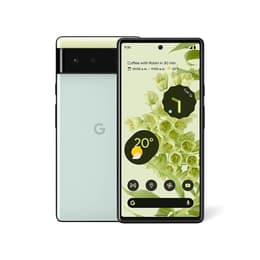
The Google Pixel 6, released in October 2021, and the Google Pixel 8a, launched in May 2024, represent different segments within Google's smartphone lineup. While both devices operate on the Android platform and offer a distinct Google experience, the Pixel 8a benefits from newer hardware and an extended software support commitment, setting it apart from its predecessor. These differences influence their capabilities and suitability for various user needs.
Colour
Storage
The expected lifespan of a smartphone is influenced by its release timeline, software support, and physical durability.
Year of Release
Compatible with latest Update
OS
Foldable
Performance in both devices is driven by Google's custom-designed processors, impacting app responsiveness, multitasking, and overall system fluidity.
The visual experience on these devices is shaped by their display technology, resolution, and refresh rate.
Resolution
Screen type
Both Pixel phones are recognized for their camera capabilities, leveraging computational photography to produce quality images.
Main camera
Front camera
Beyond core specifications, several practical elements contribute to the overall user experience of these smartphones.
Weight
Screen size (in)
Mobile network
SIM card
Carrier compatibility
Connector
The Google Pixel 6 and Pixel 8a cater to users with differing priorities, reflecting their respective release timelines and design philosophies. The Pixel 6, as an earlier model, is often praised for its robust build quality and the introduction of Google's custom processor, which brought significant improvements to camera performance and AI capabilities at its launch. Some users, however, noted mixed experiences with its fingerprint sensor and initial battery life.
The Pixel 8a, being a more recent release, builds upon these foundations with a more refined design, a smoother 120Hz display, and the enhanced Tensor G3 processor, leading to improved overall performance and efficiency. Its extended software support commitment is a significant advantage for users seeking long-term device longevity. User feedback often highlights its reliable camera, comfortable size, and the integration of advanced AI features. Criticisms sometimes point to its charging speed and the use of a plastic back compared to the glass back of the Pixel 6.
Users prioritizing a device with a slightly larger screen and a more premium glass build might find the Pixel 6 appealing. Conversely, those who value the latest software experience, a higher refresh rate display, a more compact form factor, and a longer period of software updates will likely lean towards the Pixel 8a. Both devices offer a strong camera experience and the core Google Android ecosystem. For those considering a quality-assured refurbished option, both models present an eco-friendly alternative to purchasing new, allowing for informed and sustainable choices.