
Compare models
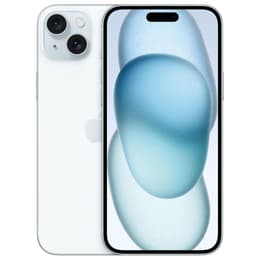
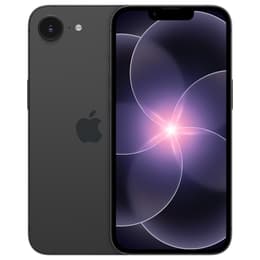
iPhone 15 Plus Vs iPhone 17e
- 1-year minimum warranty
- Free delivery on all items
- Free 30-day returns
Differences at a glance
The Apple iPhone 15 Plus (2023) and the iPhone 17e (2026) represent two different approaches to modern smartphone design, contrasting a large-screen standard model with a more compact, modern-generation entry device. While both run on the iOS platform, they differ significantly in release timing, physical footprint, internal architecture, and feature distribution.
Available Models
Colour
Storage (GB)
Scores
Durability
When evaluating hardware longevity and software support timelines, these two devices reflect different points in their product lifecycles, with the newer model offering extended support potential.
- Release timeline and support: The iPhone 15 Plus launched in late 2023, whereas the iPhone 17e debuted in early 2026, granting the newer device a longer remaining window for official operating system updates.
- Repairability and build: Both models utilize durable aluminum enclosures and robust front glass protection, scoring similarly on standard repairability assessments and structural integrity.
- Expected lifespan: Users can anticipate solid multi-year support from both, though the iPhone 17e naturally extends software viability further into the future due to its recent introduction.
Year of Release
2023
2026
Performance
System responsiveness and day-to-day multitasking capabilities vary between these generations, driven by differences in internal processing hardware and memory capacity.
- Storage configurations: The iPhone 15 Plus begins with lower base storage capacities, while the iPhone 17e starts with higher baseline storage for media and applications.
- Everyday responsiveness: Both devices handle standard applications, web browsing, and switching between multiple open tasks smoothly, though the newer processor in the iPhone 17e provides extra headroom for demanding software.
- Battery behavior: The iPhone 15 Plus features a larger physical chassis accommodating a battery well-suited for extended media playback, whereas the iPhone 17e balances battery efficiency with a more compact form factor.
Screen quality
Display characteristics differ notably in physical dimensions and interface features, impacting how users interact with visual content.
- Display technology: Both devices feature vibrant OLED panels providing deep contrast levels and sharp text clarity, though they utilize different screen sizes and interactive layouts.
- Brightness and outdoor use: High peak brightness capabilities on both screens ensure legibility under direct sunlight, making them reliable for outdoor navigation and reading.
- Viewing experience: The iPhone 15 Plus offers a larger viewing canvas ideal for watching videos and reading documents, while the iPhone 17e provides a more pocket-friendly, compact screen real estate.
Audiovisual
Imaging hardware and media recording capabilities vary significantly, tailoring each device to different photography preferences.
- Camera systems: The iPhone 15 Plus incorporates a versatile dual-lens rear camera setup offering wide and ultra-wide perspectives, whereas the iPhone 17e utilizes a streamlined single-lens main camera configuration.
- Everyday photography: Both models capture sharp, detailed photos in standard lighting conditions, with robust processing software managing exposure and color accuracy effectively.
- Audio and media output: Stereo speaker systems on both smartphones deliver clear sound for hands-free calls and casual media consumption without requiring external accessories.
Miscellaneous
Practical daily features, connectivity standards, and physical handling traits define the ergonomic differences between these two smartphones.
- Connectivity and ports: Both models utilize universal USB-C connectivity for charging and data transfer alongside modern 5G cellular support.
- Biometric security: The iPhone 15 Plus utilizes facial recognition housed within its interactive display cutout, while the iPhone 17e also relies on secure facial authentication.
- Physical handling: The iPhone 15 Plus is noticeably larger and heavier due to its expansive screen, whereas the iPhone 17e offers a lighter, more easily managed one-handed grip. Favorable quality-assured refurbished options for both models provide an eco-friendly alternative for conscious buyers.
Screen size (in)
6.7
6.1
Mobile network
5G
5G
SIM card
Physical SIM + eSIM
eSIM
Carrier compatibility
Unlocked
Unlocked
Connector
USB-C
USB-C (USB 2)
What the community thinks
User discussions and community feedback highlight distinct preferences for each device depending on daily usage habits. Owners of the iPhone 15 Plus frequently praise its expansive screen space and reliable battery endurance for media consumption, though some note its larger physical size can feel cumbersome for one-handed operation. Conversely, users of the iPhone 17e appreciate its lightweight, compact handling and updated internal processing capabilities, while noting the absence of secondary ultra-wide camera lenses as a practical limitation for certain photography styles.
Users prioritizing maximum screen real estate and extended visual workspaces will find the iPhone 15 Plus well-suited to their needs, while users prioritizing a compact form factor, lighter weight, and modern internal components may lean toward the iPhone 17e. Choosing a quality-assured refurbished model from Back Market allows consumers to secure either device as a sustainable choice that aligns with individual technical preferences and environmental values.