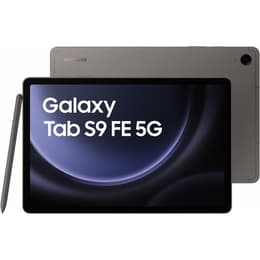
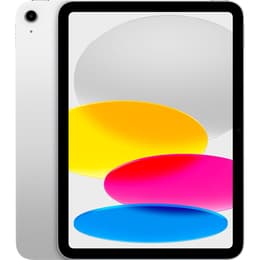

Galaxy Tab S9 FE (10.9", 2023) Vs iPad 11 (2025, A16 series)

Galaxy Tab S9 FE (10.9", 2023)
Starting at

Refurbished price:£227.00

Versus £606.86 new

See options
iPad 11 (2025, A16 series)
Starting at

Refurbished price:£284.00

Versus £329.00 new

See options

Ratings

The Samsung Galaxy Tab S9 FE, released in October 2023, and the iPad (11th generation), launched in March 2025, are both tablet computers designed for a range of everyday tasks and entertainment. While the Galaxy Tab S9 FE operates on Android, the iPad runs on Apple's iPadOS, offering distinct software experiences. The primary differentiators between these two devices lie in their underlying processing power and ecosystem integration.

Scores

Durability

The longevity of a tablet is influenced by its release timeline, software support, and physical durability. These two devices offer different expectations in these areas.

  • Release Timeline: The Galaxy Tab S9 FE was released in October 2023, while the iPad (11th generation) followed in March 2025. This difference in launch dates means the iPad (11th generation) benefits from a more recent hardware platform and a longer expected period of software updates.
  • Software Longevity: The iPad (11th generation) is expected to receive iPadOS updates for an extended period, typically around 5-7 years from its release, potentially extending its functional lifespan. The Galaxy Tab S9 FE, running Android, generally receives major OS updates for about 4-5 years and security updates for a similar duration.
  • Durability Features: The Galaxy Tab S9 FE features an IP68 rating for dust and water resistance, providing a degree of protection against environmental elements. The iPad (11th generation) does not typically carry an official IP rating, though it features a durable aluminum build.

Year of Release

2023

2025

Compatible with latest Update

Yes

Yes

OS

Android

iPadOS

Performance

The performance of a tablet impacts its responsiveness and ability to handle various applications. Both devices offer capable performance for their respective ecosystems.

  • Processing Capabilities: The iPad (11th generation) is equipped with an A16 Bionic chip, which provides substantial processing power for demanding applications, multitasking, and graphically intensive games. The Galaxy Tab S9 FE is powered by an Exynos 1380 processor, which handles everyday tasks, streaming, and moderate gaming smoothly.
  • System Responsiveness: Users of the iPad (11th generation) can expect a highly fluid and responsive experience across iPadOS, with quick app loading and seamless transitions. The Galaxy Tab S9 FE offers a smooth user experience for general use, with its processor capable of managing multiple applications concurrently.
  • Storage and RAM: The Galaxy Tab S9 FE is available with 6GB or 8GB of RAM and storage options of 128GB or 256GB, expandable via a microSD card. The iPad (11th generation) comes with 6GB of RAM and storage options starting from 128GB, with no expandable storage.

Memory (GB)

6 GB

6 GB

Screen quality

The display is a central component of any tablet, influencing the visual experience for media consumption, productivity, and creative tasks.

  • Display Technology: Both tablets feature a 10.9-inch LCD display. The Galaxy Tab S9 FE's display has a resolution of 2304 x 1440 pixels, while the iPad (11th generation) offers a 2360 x 1640 pixel resolution.
  • Refresh Rate: The Galaxy Tab S9 FE's display offers an adaptive refresh rate of up to 90Hz, contributing to smoother scrolling and a more fluid visual experience. The iPad (11th generation) typically features a 60Hz refresh rate.
  • Brightness and Clarity: Both displays offer good clarity for typical viewing conditions. The Galaxy Tab S9 FE includes a Vision Booster feature that adjusts screen brightness based on ambient light, enhancing outdoor visibility. The iPad (11th generation) features a Liquid Retina display with True Tone technology, which adjusts color and intensity to match the ambient light.

Resolution

1440 x 2304

2360 x 1640

Screen type

IPS LCD

Liquid Retina display

Pixel density

250ppp

264ppp

Audiovisual

Camera capabilities on tablets are important for video calls, casual photography, and document scanning. Both devices offer competent camera systems for these purposes.

  • Rear Camera Performance: The Galaxy Tab S9 FE is equipped with an 8-megapixel rear camera, capable of recording 4K video at 30fps. The iPad (11th generation) features a 12-megapixel wide rear camera, also capable of 4K video recording at various frame rates.
  • Front Camera for Video Calls: For video conferencing, the Galaxy Tab S9 FE has a 12-megapixel ultrawide front camera. The iPad (11th generation) also includes a 12-megapixel ultrawide front camera, which supports Center Stage for keeping subjects in frame during video calls.
  • Audio Experience: Both tablets feature stereo speakers, providing a suitable audio experience for media consumption. The Galaxy Tab S9 FE's speakers are tuned by AKG. Neither device includes a 3.5mm headphone jack, relying on USB-C or wireless audio solutions.

Miscellaneous

Beyond core specifications, several practical features contribute to the overall user experience and connectivity of these tablets.

  • Connectivity Options: Both devices support modern Wi-Fi standards and Bluetooth 5.3 for wireless connections. Cellular models of both tablets offer 5G connectivity. The Galaxy Tab S9 FE supports Wi-Fi 6, while the iPad (11th generation) supports Wi-Fi 6E.
  • Ports and Accessories: Both tablets feature a USB-C port for charging and data transfer. The Galaxy Tab S9 FE includes an S Pen in the box and supports expandable storage via a microSD card. The iPad (11th generation) supports the Apple Pencil (USB-C) and Apple Pencil (1st generation), as well as Apple's Magic Keyboard Folio, but lacks a microSD card slot.
  • Biometric Security: The Galaxy Tab S9 FE incorporates a fingerprint sensor integrated into the power button. The iPad (11th generation) also features a Touch ID fingerprint sensor in the power button for secure authentication.

Weight

129 g

477 g

Screen size (in)

10.9

11

Network

Wi-Fi + 5G

Wi-Fi

Carrier compatibility

Unlocked

Without SIM Port

The Galaxy Tab S9 FE and the iPad (11th generation) cater to users with differing priorities, reflecting their respective operating systems and hardware philosophies.

Users often praise the Galaxy Tab S9 FE for its vibrant display with a higher refresh rate, the inclusion of the S Pen, and the flexibility of expandable storage. Its IP68 rating for dust and water resistance is also a frequently noted advantage for those seeking a more robust device. Some users, however, might find its processor less powerful for highly demanding tasks compared to its competitor.

The iPad (11th generation) is commonly lauded for its powerful A16 Bionic chip, which ensures smooth performance across a wide range of applications and provides a longer runway for future software compatibility. Its integration within the Apple ecosystem and consistent software updates are also strong points. Potential criticisms sometimes revolve around the standard 60Hz refresh rate and the absence of expandable storage.

Users prioritizing a tablet with a higher refresh rate display, included stylus, and the option to expand storage for media and files may find the Galaxy Tab S9 FE well-suited to their needs. This device is a quality-assured refurbished option for those looking for an eco-friendly alternative. Conversely, users who value a more powerful processor for intensive tasks, a longer software support window, and deep integration within the Apple ecosystem may lean toward the iPad (11th generation). Both devices offer a solid tablet experience, and choosing between them often comes down to individual preferences for operating system, accessory ecosystem, and specific feature priorities.

See all articles

Our recent comparisons