
Galaxy Tab S9 FE (10.9", 2023) Vs iPad 8 (2020, A12 series)

Galaxy Tab S9 FE (10.9", 2023)
Starting at

Refurbished price:£227.00

Versus £606.86 new

See options
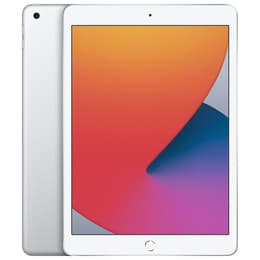
iPad 8 (2020, A12 series)
Starting at

Refurbished price:£90.00

Versus £329.00 new

See options

Ratings

The Samsung Galaxy Tab S9 FE, released in 2023, and the Apple iPad (8th Generation), launched in 2020, are both tablets designed for general use, but they cater to slightly different ecosystems and user preferences. While the Galaxy Tab S9 FE operates on Android with Samsung's One UI, the iPad (8th Gen) runs on Apple's iPadOS. Key differentiators include their display technology, included accessories, and the overall software experience each platform offers.

Scores

Durability

When considering the long-term usability of a tablet, software support and physical resilience are important factors. The Galaxy Tab S9 FE, being a newer device, generally offers a longer runway for software updates compared to the iPad (8th Gen).

  • Release Timeline: The Galaxy Tab S9 FE was released in October 2023, making it approximately three years newer than the iPad (8th Gen), which launched in September 2020.
  • OS Support: Samsung has committed to providing four major Android OS updates and five years of security patches for the Galaxy Tab S9 FE, meaning it is expected to receive updates up to Android 17. The iPad (8th Gen) typically receives major iPadOS updates for about 5-7 years from its release, with security updates potentially extending beyond that.
  • Durability Features: The Galaxy Tab S9 FE features an IP68 rating for dust and water resistance, a feature not present on the iPad (8th Gen). Both devices feature aluminum builds, contributing to their overall sturdiness.

Year of Release

2023

2020

Compatible with latest Update

Yes

Yes

OS

Android

iPadOS

Performance

The performance of a tablet impacts how smoothly applications run, how quickly tasks are completed, and the overall responsiveness of the device. Both tablets are capable of handling everyday tasks, but their underlying hardware approaches this differently.

  • Processing Power: The Galaxy Tab S9 FE is equipped with an octa-core processor, which allows for efficient multitasking and smooth navigation through various applications. The iPad (8th Gen) features a hexa-core processor that provides responsive performance for general use, including web browsing, media consumption, and many productivity apps.
  • Multitasking and Storage: The Galaxy Tab S9 FE offers configurations with 6GB or 8GB of RAM, which supports more demanding multitasking scenarios and keeps more apps active in the background. It also comes with 128GB or 256GB storage options, expandable via microSD. The iPad (8th Gen) has 3GB of RAM and is available with 32GB or 128GB of internal storage, without expandable storage.
  • Battery Behavior: The Galaxy Tab S9 FE includes an 8,000 mAh battery, providing multi-day potential for casual use. The iPad (8th Gen) is rated for up to 10 hours of web surfing or video playback on a single charge.

Memory (GB)

6 GB

3 GB

Screen quality

The display is a primary interaction point for any tablet, influencing everything from reading to media consumption and creative work. Both tablets offer clear displays, but with different underlying technologies and characteristics.

  • Display Technology and Size: The Galaxy Tab S9 FE features a 10.9-inch IPS LCD display with a 90Hz refresh rate, providing a smoother visual experience during scrolling and gaming. The iPad (8th Gen) has a 10.2-inch Retina IPS LCD display with a standard 60Hz refresh rate.
  • Resolution and Clarity: The Galaxy Tab S9 FE offers a resolution of 2304 x 1440 pixels, resulting in clear images and text. The iPad (8th Gen) provides a resolution of 2160 x 1620 pixels, which also delivers sharp visuals for its screen size.
  • Brightness and Color: The iPad (8th Gen) offers a typical brightness of 500 nits, contributing to good visibility indoors and in moderately lit outdoor environments. The Galaxy Tab S9 FE's display is also capable of good brightness, with users reporting acceptable performance for indoor use.

Resolution

1440 x 2304

2160 x 1620

Screen type

IPS LCD

Retina display

Pixel density

250ppp

264ppp

Audiovisual

While tablets are not typically primary photography devices, their cameras are useful for video calls, scanning documents, and casual photography. Both tablets include camera systems suitable for these purposes.

  • Rear Camera Performance: Both the Galaxy Tab S9 FE and the iPad (8th Gen) feature an 8-megapixel rear camera, capable of capturing adequate photos in good lighting conditions. The Tab S9 FE can record video at UHD 4K resolution at 30fps.
  • Front Camera for Video Calls: The Galaxy Tab S9 FE is equipped with a 12-megapixel ultrawide front camera, which is beneficial for video conferencing and selfies, offering a wider field of view. The iPad (8th Gen) has a 1.2-megapixel front-facing camera, suitable for basic video calls.
  • Audio Experience: The Galaxy Tab S9 FE includes Dolby Atmos speakers, providing a good audio experience at medium volumes for media consumption. The iPad (8th Gen) also features stereo speakers, offering clear sound for videos and music.

Miscellaneous

Beyond core specifications, several practical elements contribute to the overall user experience, including connectivity, physical design, and additional features.

  • Connectivity and Ports: The Galaxy Tab S9 FE supports Wi-Fi 6 and Bluetooth 5.3, offering faster and more stable wireless connections, and includes a USB-C port. It also has an optional 5G cellular variant. The iPad (8th Gen) supports Wi-Fi 5 (802.11ac) and Bluetooth 4.2, and uses a Lightning connector for charging and data transfer. An LTE cellular option is also available for the iPad.
  • Stylus and Biometrics: The Galaxy Tab S9 FE comes with an S Pen included, offering precise input for notes and drawing. It also features a fingerprint sensor for secure unlocking. The iPad (8th Gen) supports the first-generation Apple Pencil (sold separately) and includes Touch ID for fingerprint authentication.
  • Design and Handling: The Galaxy Tab S9 FE weighs 523g (Wi-Fi model) and measures 6.5mm thick, offering a relatively slim profile. The iPad (8th Gen) weighs 490g (Wi-Fi model) and is 7.5mm thick. Both have aluminum constructions.

Weight

129 g

490 g

Screen size (in)

10.9

10.2

Network

Wi-Fi + 5G

Wi-Fi

Carrier compatibility

Unlocked

Without SIM Port

User sentiment for the Galaxy Tab S9 FE often highlights its solid build quality, the inclusion of the S Pen, and its IP68 water and dust resistance as significant advantages. Some users note that while its processor is capable for daily tasks, it might not be ideal for the most graphically intensive games. The display, while vibrant, is an LCD panel, which some users compare to the OLED displays found in more premium tablets.

For the iPad (8th Gen), common praise centers on its reliable performance for its release year, the extensive app ecosystem, and its consistent software experience. Criticisms sometimes point to its dated design with larger bezels and the lower-resolution front camera. Users generally appreciate its battery life for typical usage.

Users prioritizing a more modern design, a higher refresh rate display, and an included stylus for creative or note-taking tasks may prefer the Galaxy Tab S9 FE. Its IP68 rating also offers an advantage for those needing extra durability. Conversely, users deeply integrated into the Apple ecosystem, or those who value a vast selection of tablet-optimized applications and a proven track record of long-term software support, may lean toward the iPad (8th Gen). Both devices are available as quality-assured refurbished options, providing an eco-friendly alternative for consumers.

See all articles

Our recent comparisons