
Google Pixel 8a Vs iPhone 14 Pro

Google Pixel 8a
Google Pixel 8a
Starting at

Refurbished price:£216.00

Versus £467.97 new

See options
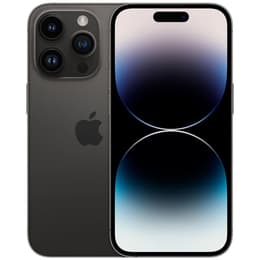
iPhone 14 Pro
iPhone 14 Pro
Starting at

Refurbished price:£304.00

Versus £1,099.00 new

See options

Ratings

The Google Pixel 8a, released in 2024, and the iPhone 14 Pro, launched in 2022, represent two distinct philosophies in the smartphone market. While the Pixel 8a is a modern entry designed to offer the latest software innovations in a practical package, the iPhone 14 Pro remains a high-performance flagship that introduced several significant hardware shifts for the Apple ecosystem. These devices run on Android and iOS respectively, offering users a choice between Google's flexible, AI-integrated software and Apple's tightly controlled, seamless user experience.

Scores

Durability

The timeline for software support and the physical construction of these devices are the primary factors that determine their long-term utility for the average user.

  • Software Longevity: The Pixel 8a is notable for its commitment to seven years of operating system and security updates, meaning it is expected to remain fully supported until 2031. In contrast, the iPhone 14 Pro typically receives updates for six to seven years from its 2022 release date, suggesting its software lifecycle may conclude a few years earlier than the Pixel's.
  • Build Materials: The iPhone 14 Pro features a stainless steel frame and a glass back, providing a sturdy and substantial feel. The Pixel 8a utilizes a matte plastic back and an aluminium frame, which is lighter and may be more resilient to impact than glass, though it lacks the density of the iPhone's materials.
  • Repairability: Both manufacturers have improved access to spare parts in recent years. Choosing a quality-assured refurbished option for either device is a sustainable choice that extends the life of existing hardware while ensuring the device has been tested for functional durability.

Year of Release

2024

2022

Compatible with latest Update

Yes

Yes

OS

Android

iOS

Foldable

No

No

Performance

Both smartphones are engineered to handle demanding modern applications, though they manage system resources and background tasks using different architectural approaches.

  • System Responsiveness: The iPhone 14 Pro is widely recognised for its fluid animations and immediate response when switching between complex apps, thanks to its highly efficient internal processing. The Pixel 8a provides a similarly smooth experience, particularly with Google's clean software interface that prioritises speed and helpful automated features for daily tasks.
  • Multitasking Capabilities: With 8GB of memory, the Pixel 8a is well-equipped to keep multiple applications open simultaneously without significant reloading. The iPhone 14 Pro uses 6GB of memory, but because of how its operating system manages background activities, users will find it equally capable of handling intensive workflows and high-end mobile gaming.
  • Battery Consistency: In daily use, both phones typically last through a full day of standard activity. The iPhone 14 Pro is often cited for its consistency during long video playback sessions, while the Pixel 8a features adaptive battery technology that learns user patterns to extend power throughout the day.

Memory (GB)

8 GB

6 GB

Screen quality

The display is the primary way users interact with their devices, and both models use advanced panel technology to deliver clear and vibrant visuals.

  • Display Technology: Both phones utilise OLED technology, which ensures deep blacks and high contrast ratios for media consumption. The iPhone 14 Pro features a display that can adjust its refresh rate up to 120Hz for smooth scrolling, while the Pixel 8a also offers a 120Hz "Actua" display, making both devices feel very responsive during navigation.
  • Visual Features: The iPhone 14 Pro features the "Dynamic Island," a functional cutout at the top of the screen that changes shape to show notifications and background activity. The Pixel 8a uses a more traditional small camera cutout, providing a familiar and unobtrusive viewing area for videos and games.
  • Outdoor Visibility: Both screens are designed to be legible even in bright sunlight. The iPhone 14 Pro can reach very high peak brightness levels for HDR content, while the Pixel 8a is engineered to remain clear and vibrant in various lighting conditions, ensuring that text and images are always easy to see.

Resolution

1080 x 2400

1179 x 2556

Screen type

OLED

LTPO Super Retina XDR OLED

Audiovisual

Photography and video recording are areas where these two devices show significant functional differences in their hardware configurations.

  • Camera Versatility: The iPhone 14 Pro includes a dedicated telephoto lens, allowing for high-quality zoomed-in photos without losing detail. The Pixel 8a relies on a dual-camera system consisting of a high-resolution main sensor and an ultra-wide lens, using sophisticated software processing to handle digital zoom and image enhancement.
  • Video and Audio: For video recording, the iPhone 14 Pro is often preferred by creators for its stable footage and professional-grade recording modes. Both devices feature stereo speakers that provide clear audio for watching movies or taking calls, though the iPhone's output is often described as having a slightly fuller sound profile.
  • Low-Light Performance: Both smartphones excel at taking photos in dark environments. The Pixel 8a uses advanced computational photography to brighten scenes naturally, while the iPhone 14 Pro utilises a large sensor and specialised sensors to capture detail and reduce noise in challenging lighting situations.

Main camera

64 megapixels

48 megapixels

Front camera

13 megapixels

12 megapixels

Miscellaneous

Practical considerations like connectivity standards and physical handling play a significant role in the daily user experience of these smartphones.

  • Connectivity and Ports: The Pixel 8a uses a standard USB-C port for charging and data transfer, which is widely compatible with modern accessories. The iPhone 14 Pro uses the Lightning port, which may require specific cables if you are transitioning from other modern electronics. Both support 5G for fast mobile data speeds.
  • Security and Biometrics: The iPhone 14 Pro relies on sophisticated facial recognition for unlocking the device and authorising payments. The Pixel 8a offers more flexibility with both a fingerprint sensor built into the display and a facial recognition option, allowing users to choose the method that suits them best.
  • Size and Weight: While both have similar screen sizes, the iPhone 14 Pro is noticeably heavier due to its stainless steel construction. The Pixel 8a is lighter and has more rounded corners, which some users find more comfortable for one-handed use over long periods.

Weight

188 g

206 g

Screen size (in)

6.1

6.1

Mobile network

5G

5G

SIM card

Physical SIM + eSIM

Physical SIM + eSIM

Carrier compatibility

Unlocked

Unlocked

When looking at user feedback from various tech communities, the choice between the Google Pixel 8a and the iPhone 14 Pro often comes down to a preference for software philosophy versus hardware versatility. Users who frequent online forums often praise the Pixel 8a for its straightforward, "clean" Android experience and the impressive quality of its still photography, which many find more natural than its competitors. However, some users have noted that the device can get warm during intensive gaming. On the other hand, the iPhone 14 Pro is consistently lauded for its exceptional build quality and the reliability of its video recording. A common point of discussion among iPhone users is the convenience of the Dynamic Island, though some find the weight of the stainless steel frame to be a bit much for daily carry.

Users prioritising long-term software support and a lightweight design may find the Pixel 8a to be the better fit for their needs. Conversely, users who prioritise a dedicated zoom lens, professional video features, and a more substantial physical feel will likely lean toward the iPhone 14 Pro. Both devices represent excellent examples of modern smartphone engineering. For those looking to make an eco-friendly choice, opting for a quality-assured refurbished model is an excellent way to access these high-end features while supporting a more circular economy. Ultimately, the decision rests on whether you prefer the integrated ecosystem of Apple or the flexible, software-forward approach of Google.
See all articles

Our recent comparisons