
Google Pixel 8a Vs iPhone 13 Pro

Google Pixel 8a
Google Pixel 8a
Starting at

Refurbished price:£216.00

Versus £467.97 new

See options
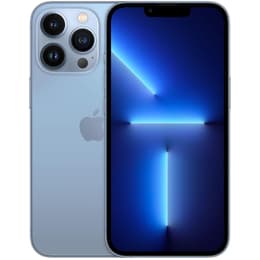
iPhone 13 Pro
iPhone 13 Pro
Starting at

Refurbished price:£232.00

Versus £949.00 new

See options

Ratings

The Google Pixel 8a (2024) and the iPhone 13 Pro (2021) represent two different eras of smartphone technology, each catering to distinct user preferences. While the Pixel 8a is a recent entry in Google's accessible smartphone line, the iPhone 13 Pro was originally released as a high-end flagship model. The Pixel 8a operates on the latest Android system with a focus on long-term software support, whereas the iPhone 13 Pro runs iOS and is known for its premium hardware features and versatile camera array. This comparison explores how a modern mid-range device stacks up against a slightly older professional-grade model.

Scores

Durability

These devices differ significantly in their release dates and the duration of software support promised by their respective manufacturers.

  • Software Longevity: The Pixel 8a was launched with a commitment to seven years of operating system and security updates, potentially keeping the device current until 2031. The iPhone 13 Pro typically receives around six years of support from its 2021 release, meaning its window for major new features may close sooner than the Pixel's.
  • Build and Repairability: The iPhone 13 Pro is constructed with a stainless steel frame and glass back, offering a sturdy and substantial feel. The Pixel 8a uses a matte plastic back and an aluminium frame, which is lighter and less prone to shattering. Both brands have made strides in making replacement parts available to extend the practical lifespan of the hardware.
  • Update Consistency: Google provides regular "feature drops" that add new capabilities to the Pixel 8a over time, while Apple is known for consistent, timely updates that maintain system stability across its entire ecosystem for many years.

Year of Release

2024

2021

Compatible with latest Update

Yes

Yes

OS

Android

iOS

Foldable

No

No

Performance

Both smartphones provide a responsive experience for daily tasks, though they achieve this through different internal optimisations.

  • Everyday Responsiveness: The Pixel 8a uses a modern processor designed to handle multitasking and AI-driven tasks smoothly, ensuring that apps open quickly and the interface remains fluid. The iPhone 13 Pro, despite being older, remains highly capable, handling demanding games and intensive video editing without noticeable slowdown.
  • Battery Efficiency: Users can generally expect a full day of use from both devices. The Pixel 8a features smart battery management that learns user habits to prioritise power for frequently used apps, while the iPhone 13 Pro is recognised for its efficient power consumption during media playback and standby.
  • Multitasking Capabilities: The iPhone 13 Pro includes ample memory to keep many background apps active simultaneously, which is beneficial for users who switch between tasks frequently. The Pixel 8a manages memory efficiently to ensure that the most important tasks remain fast and accessible.

Memory (GB)

8 GB

6 GB

Screen quality

High-quality OLED technology is standard on both devices, providing vibrant colours and deep blacks for an immersive viewing experience.

  • Smooth Motion: Both screens feature a 120Hz refresh rate, which makes scrolling through websites and navigating menus feel very fluid. The iPhone 13 Pro uses adaptive technology to adjust the refresh rate based on what you are doing, which helps to manage battery life effectively.
  • Outdoor Visibility: The Pixel 8a features a very bright display that remains easy to read even under direct sunlight. The iPhone 13 Pro also offers high peak brightness, ensuring that text and images are clear when used in bright outdoor environments.
  • Display Design: The iPhone 13 Pro has a slightly larger screen with a traditional notch at the top for sensors, while the Pixel 8a offers a compact design with a small punch-hole for the camera, providing a modern look with sharp resolution for streaming video.

Resolution

1080 x 2400

1170 x 2532

Screen type

OLED

Super Retina XDR OLED

Audiovisual

Photography is a major highlight for both phones, though the iPhone 13 Pro offers more physical lenses compared to the Pixel 8a's software-focused approach.

  • Camera Versatility: The iPhone 13 Pro includes a dedicated telephoto lens for optical zooming, allowing for clear close-up shots. The Pixel 8a relies on a dual-lens system but uses advanced digital processing to achieve high-quality zoom and sharp portrait photos.
  • Low-Light Performance: Both devices excel in dark environments. The Pixel 8a is renowned for its ability to brighten night scenes naturally, while the iPhone 13 Pro uses a specialized sensor to map depth and focus quickly in dim lighting conditions.
  • Video and Audio: For those who record a lot of video, the iPhone 13 Pro provides professional-grade recording features and very stable footage. The Pixel 8a counters with clear audio recording that can filter out background noise, making it excellent for voice memos and video calls.

Main camera

64 megapixels

12 megapixels

Front camera

13 megapixels

12 megapixels

Miscellaneous

Practical features like connectivity and physical design play a large role in how these phones feel during daily use.

  • Connectivity and Ports: The Pixel 8a uses a universal USB-C port for charging and data transfer, which is compatible with most modern electronics. The iPhone 13 Pro uses a Lightning port and includes magnetic technology on the back for easy attachment of chargers and accessories.
  • Security Features: The Pixel 8a offers an under-display fingerprint sensor and face recognition for quick access. The iPhone 13 Pro relies on a secure 3D face mapping system that works even in total darkness for authentication.
  • Size and Handling: The iPhone 13 Pro has a heavier feel due to its metal construction, which some users find reassuring. The Pixel 8a is lighter and has more rounded corners, making it comfortable for one-handed use during long commutes or while travelling.

Weight

188 g

203 g

Screen size (in)

6.1

6.1

Mobile network

5G

5G

SIM card

Physical SIM + eSIM

Physical SIM + eSIM

Carrier compatibility

Unlocked

Unlocked

User feedback from online communities highlights the Pixel 8a's impressive software support and its clean, straightforward Android experience as major positives. However, some users note that the plastic build feels less substantial than more expensive models. The iPhone 13 Pro is frequently praised for its enduring performance and the quality of its telephoto lens, though some users mention the Lightning port is becoming less convenient as more devices move to the USB-C standard.

Users who prioritise having the latest software for the longest possible time and prefer a lightweight, modern design may find the Pixel 8a to be the ideal fit for their needs. Conversely, those who value a premium metal build, a dedicated zoom lens, and the integrated iOS ecosystem will likely lean toward the iPhone 13 Pro. Choosing a quality-assured refurbished option for either device is a sustainable choice that helps reduce electronic waste while providing a reliable smartphone experience. Both devices remain highly capable in 2026, offering a balance of modern features and dependable performance for students, professionals, and travellers alike. As an eco-friendly alternative, opting for a refurbished model ensures these high-performance devices stay in use longer and provides a practical way to access advanced technology.


See all articles

Our recent comparisons