

Google Pixel 6 Vs Google Pixel 7

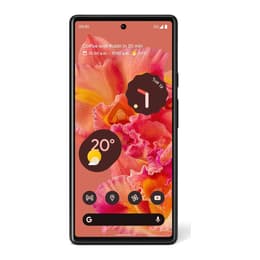
Google Pixel 6
Google Pixel 6
Starting at

Refurbished price:£101.00

Versus £649.99 new

See options
Google Pixel 7
Google Pixel 7
Starting at

Refurbished price:£136.00

Versus £729.00 new

See options

Ratings

The Google Pixel 6, released in October 2021, and the Google Pixel 7, launched in October 2022, represent consecutive generations of Google's smartphone line. Both devices operate on the Android platform, offering a consistent software experience. The Pixel 7 introduces an updated processor and subtle refinements in design and camera capabilities, building upon the foundation established by its predecessor.

Scores

Durability

When considering the longevity of these devices, both the Pixel 6 and Pixel 7 benefit from Google's commitment to software support, though their timelines differ slightly.

  • Software Updates: The Pixel 6 is slated to receive operating system and security updates until October 2026, while the Pixel 7 will continue to receive these updates until October 2027. This means the Pixel 7 offers an additional year of official software support.
  • Repairability: Both models generally present a moderate level of repairability. Google has partnered with iFixit to provide genuine parts and repair guides, which can assist in extending the practical lifespan of these phones through DIY repairs. However, some components, like the battery, can be challenging to replace due to strong adhesives.
  • Expected Lifespan: Users can anticipate a practical lifespan that extends beyond the official software support period, especially for those who do not require the very latest Android version. The availability of quality-assured refurbished options for both models further supports their extended usability.

Year of Release

2021

2022

Compatible with latest Update

Yes

Yes

OS

Android

Android

Foldable

No

No

Performance

The performance of a smartphone is largely dictated by its internal processing capabilities, impacting everything from app responsiveness to multitasking efficiency.

  • Processor Capabilities: The Pixel 6 is powered by Google's first-generation Tensor processor, designed to handle everyday tasks and computational photography efficiently. The Pixel 7 features the second-generation Tensor G2 processor, which offers improved efficiency and enhanced processing power, leading to smoother operation and faster execution of demanding applications.
  • System Responsiveness: Users of the Pixel 7 may notice a slight improvement in overall system fluidity and quicker app loading times compared to the Pixel 6, particularly during intensive use or when running multiple applications simultaneously.
  • Storage and RAM: Both devices typically come with 8GB of RAM and offer storage options of 128GB or 256GB, providing ample space and memory for most users' needs.

Memory (GB)

8 GB

8 GB

Screen quality

The display is a primary interface for smartphone interaction, and both Pixel models offer a quality visual experience with some distinctions.

  • Display Technology: Both the Pixel 6 and Pixel 7 feature OLED displays, known for their deep blacks and vibrant color reproduction.
  • Resolution and Refresh Rate: Both phones provide a Full HD+ resolution (1080 x 2400 pixels) and a 90Hz refresh rate, contributing to clear visuals and smooth scrolling.
  • Screen Size and Brightness: The Pixel 6 has a 6.4-inch display, while the Pixel 7 features a slightly more compact 6.3-inch screen. The Pixel 7's display generally offers higher peak brightness, which can improve visibility in bright outdoor conditions.

Resolution

1080 x 2400

1080 x 2400

Screen type

AMOLED

AMOLED

Audiovisual

Google Pixel phones are recognized for their camera capabilities, and both the Pixel 6 and Pixel 7 continue this tradition with advanced computational photography.

  • Rear Camera System: Both models are equipped with a 50MP main wide camera and a 12MP ultrawide camera. The main sensor on both includes optical image stabilization (OIS) for clearer shots.
  • Photography Performance: Both phones excel in everyday photography, producing images with accurate colors and good detail. They also feature Google's Night Sight mode for improved low-light performance and Magic Eraser for object removal in photos. The Pixel 7, with its Tensor G2 chip, offers further enhancements in image processing and new features.
  • Front Camera: The Pixel 6 has an 8MP front camera, while the Pixel 7 upgrades to a 10.8MP ultrawide front camera, offering a wider field of view for selfies and video calls.
  • Video Recording: Both devices support 4K video recording at 30 or 60 frames per second with their rear cameras.

Main camera

50 megapixels

50 megapixels

Front camera

8 megapixels

10.8 megapixels

Miscellaneous

Beyond core specifications, several practical elements contribute to the overall user experience and daily usability of these smartphones.

  • Dimensions and Weight: The Pixel 6 measures 158.6 x 74.8 x 8.9 mm and weighs 207g. The Pixel 7 is slightly more compact and lighter at 155.6 x 73.2 x 8.7 mm and 197g, potentially offering a more comfortable grip for some users.
  • Connectivity: Both phones support 5G connectivity, Wi-Fi 6E, and Bluetooth 5.2, ensuring fast wireless communication. They both utilize a USB-C port for charging and data transfer.
  • Security Features: Both models incorporate an under-display optical fingerprint sensor for biometric authentication and are equipped with the Titan M2 security module for enhanced data protection.
  • Durability Features: Both devices feature Gorilla Glass Victus for display protection and carry an IP68 rating for dust and water resistance, indicating protection against immersion in water.

Weight

207 g

197 g

Screen size (in)

6.4

6.3

Mobile network

5G

5G

SIM card

Physical SIM + eSIM

Physical SIM + eSIM

Carrier compatibility

Unlocked

Unlocked

The Google Pixel 6 and Pixel 7 both offer a robust Android experience with a strong emphasis on camera performance and intelligent software features. User feedback for the Pixel 6 often praises its camera quality and the introduction of the Tensor chip, which brought significant AI capabilities. Some users, however, noted mixed experiences with battery life and occasional software glitches, particularly in its early stages.

The Pixel 7 generally receives commendation for refining the Pixel 6's formula, with its Tensor G2 processor providing improved efficiency and a smoother overall experience. Users frequently highlight its consistent camera performance and better battery optimization compared to its predecessor. However, some users have expressed concerns about Google's update policy, particularly regarding the consistency of monthly security patches for older models, suggesting a potential shift towards less frequent updates for non-flagship devices.

Users prioritizing the most current software support and a slightly more refined performance for demanding tasks may find the Pixel 7 better suited to their needs. Those who value a capable camera and a solid Android experience at a potentially lower entry point might lean towards the Pixel 6. Both devices represent a compelling choice, and opting for a quality-assured refurbished version can be an eco-friendly alternative for either model, offering a sustainable path to owning advanced technology.


See all articles

Our recent comparisons