
Google Pixel 7 Vs iPhone 14 Pro Max

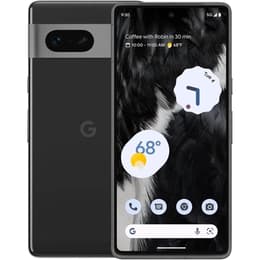
Google Pixel 7
Google Pixel 7
Starting at

Refurbished price:£136.00

Versus £729.00 new

See options
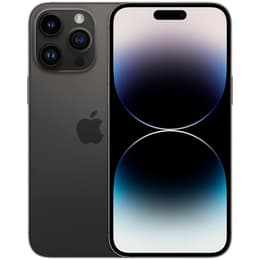
iPhone 14 Pro Max
iPhone 14 Pro Max
Starting at

Refurbished price:£327.00

Versus £1,199.00 new

See options

Ratings

The Google Pixel 7 and the iPhone 14 Pro Max, both released in late 2022, represent two distinct approaches to the modern smartphone experience. The Pixel 7 is designed as a streamlined, intelligently powered Android device that fits comfortably in one hand, while the iPhone 14 Pro Max is a large-format iOS flagship that focuses on expansive screen real estate and advanced hardware capabilities. These devices cater to different user needs, from those seeking a compact and smart interface to those who prefer a heavy-duty media and productivity tool.

While they share the same release year, their operating systems offer vastly different environments. The Pixel 7 runs a clean version of Android, deeply integrated with Google services and automated features. In contrast, the iPhone 14 Pro Max utilizes iOS, known for its consistent performance and tight integration with other Apple hardware. Choosing between them often comes down to a preference for software ecosystems and physical size rather than a simple comparison of raw power.

Scores

Durability

Both the Google Pixel 7 and the iPhone 14 Pro Max were launched in the latter half of 2022, placing them in a similar bracket for long-term software support and hardware relevance. However, their manufacturers follow different schedules for updates and maintenance.

  • Software Support Timelines: The iPhone 14 Pro Max typically benefits from Apple's long-term update policy, which often provides major system updates for six to seven years. The Pixel 7 is supported with three years of major system updates and five years of security patches from its launch, ensuring it remains safe and functional for a significant period.
  • Build Quality and Materials: The iPhone 14 Pro Max features a stainless steel frame and a specialized glass front designed for high drop resistance. The Pixel 7 uses a matte aluminium frame and durable glass, offering a sturdy build that handles daily wear well. Both devices carry high water and dust resistance ratings to protect against accidental submersions.
  • Repairability and Sustainability: Both manufacturers have made strides in making parts more accessible for repairs. Choosing a sustainable choice like a quality-assured refurbished model can further extend the practical life of these devices while reducing environmental impact.

Year of Release

2022

2022

Compatible with latest Update

Yes

Yes

OS

Android

iOS

Foldable

No

No

Performance

In everyday use, both smartphones provide a highly responsive experience, though they are tuned for different types of tasks and user behaviours.

  • System Responsiveness and Multitasking: The iPhone 14 Pro Max is engineered for high-intensity tasks, such as 4K video editing and demanding mobile games, maintaining smooth performance even under heavy load. The Pixel 7 focuses on intelligent background processing, making features like instant voice-to-text and real-time language translation feel seamless and natural during daily use.
  • Battery Behaviour: Due to its larger physical size, the iPhone 14 Pro Max houses a high-capacity battery that easily lasts through a full day of heavy media consumption or navigation. The Pixel 7 features an adaptive battery system that learns user patterns to prioritise power for frequently used apps, typically lasting a full day for standard users.
  • Storage and Memory: The iPhone 14 Pro Max offers a wider range of storage options, including very high capacities for users who store large amounts of video locally. The Pixel 7 provides standard storage tiers that are sufficient for most users who rely on cloud services for photo and document storage.

Memory (GB)

8 GB

6 GB

Screen quality

The display is perhaps the most immediate difference between these two devices, affecting everything from how you watch videos to how easily you can read text in bright sunlight.

  • Display Technology and Size: The iPhone 14 Pro Max features a massive 6.7-inch OLED display with a high refresh rate that makes every swipe and animation look incredibly fluid. The Pixel 7 uses a more compact 6.3-inch OLED screen, which is easier to navigate with one hand while still providing deep blacks and vibrant colours for media viewing.
  • Outdoor Visibility and Brightness: Both screens are designed to be legible outdoors, but the iPhone 14 Pro Max can reach higher peak brightness levels, which is particularly helpful when using the camera or reading maps in direct, harsh sunlight. The Pixel 7 remains clear and easy to read in most outdoor conditions.
  • Visual Features: The iPhone 14 Pro Max introduces a dynamic interface element at the top of the screen that changes shape to show notifications and background activity. The Pixel 7 maintains a traditional, unobstructed screen layout with a small punch-hole for the front camera, prioritising a clean viewing area.

Resolution

1080 x 2400

1290 x 2796

Screen type

AMOLED

LTPO Super Retina XDR OLED

Audiovisual

While both phones are renowned for their photographic capabilities, they achieve high-quality results through different hardware configurations and software processing styles.

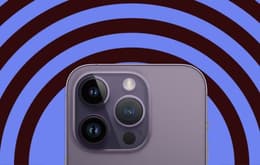
  • Camera Versatility: The iPhone 14 Pro Max features a triple-lens system, including a dedicated telephoto lens for high-quality zoomed-in shots. The Pixel 7 uses a dual-lens system that relies on advanced software algorithms to provide clear digital zoom, though it lacks the dedicated optical zoom hardware of its larger competitor.
  • Image Processing and Style: Google's Pixel 7 is famous for its computational photography, often producing images with high contrast and excellent shadow detail, especially in low-light settings. The iPhone 14 Pro Max tends to produce more neutral, true-to-life colours and is widely regarded for its consistent performance across all lenses.
  • Video and Audio Recording: For video creators, the iPhone 14 Pro Max offers highly stable footage and professional recording formats that allow for more flexibility in editing. The Pixel 7 provides clear video with smart audio features that can filter out background wind or traffic noise, making it excellent for casual vlogging or video calls.

Main camera

50 megapixels

48 megapixels

Front camera

10.8 megapixels

12 megapixels

Miscellaneous

Beyond the core specifications, the physical design and connectivity options of these two smartphones influence how they fit into your daily routine and existing tech setup.

  • Biometric Security and Sensors: The Pixel 7 offers flexibility with both an under-display fingerprint scanner and a face unlock feature. The iPhone 14 Pro Max relies exclusively on a highly secure facial recognition system that works even in total darkness, integrated into the top of the display.
  • Dimensions and Handling: The iPhone 14 Pro Max is a heavy and wide device, which may require two hands for comfortable use and can be noticeable in a pocket. The Pixel 7 is significantly lighter and narrower, making it a more practical choice for users who prefer a device that is easy to carry and operate with one hand.
  • Connectivity and Ports: Both devices support 5G for fast mobile data and have modern Wi-Fi and Bluetooth standards. A key difference is the charging port; the Pixel 7 uses the universal USB-C standard, while the iPhone 14 Pro Max uses a proprietary connector, which may require different cables if you are switching from another brand.

Weight

197 g

120 g

Screen size (in)

6.3

6.7

Mobile network

5G

5G

SIM card

Physical SIM + eSIM

Physical SIM + eSIM

Carrier compatibility

Unlocked

Unlocked

Connector

USB-C + Jack 3.5mm

Lightning

User consensus from various tech forums and community discussions highlights a clear divide in user priorities. The iPhone 14 Pro Max is frequently praised for its exceptional battery endurance and the reliability of its video recording, with many users noting it as a dependable workhorse for media-heavy tasks. However, a common criticism is its significant weight and the sheer size of the device, which some find tiring to hold for long periods. On the other hand, the Google Pixel 7 is often lauded for its helpful software features, such as its ability to screen spam calls and its excellent still photography. Some users have noted that while its battery is sufficient, it does not reach the multi-day potential of the larger iPhone.

Users who prioritise a large, fluid screen for gaming and movies, along with a versatile camera system and long-lasting battery, will likely find the iPhone 14 Pro Max fits their lifestyle best. Conversely, those who prefer a more manageable, lightweight phone with smart software and high-quality still photography may lean toward the Google Pixel 7. Choosing an eco-friendly alternative like a quality-assured refurbished device is an excellent way to access these high-end features while supporting a more sustainable electronics market. Ultimately, both smartphones remain highly capable choices in 2026, and the decision rests on whether you value the expansive hardware of the iPhone or the compact, intelligent design of the Pixel.

See all articles

Our recent comparisons