Google Pixel 6 Vs iPhone 12 Pro Max

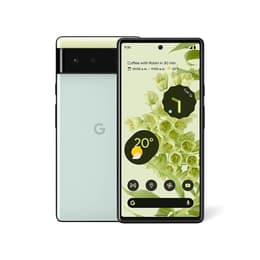
Google Pixel 6
Google Pixel 6
Starting at

Refurbished price:£101.00

Versus £649.99 new

See options
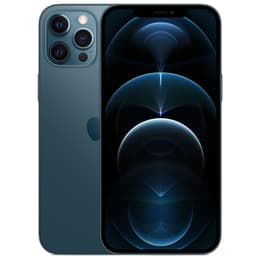
iPhone 12 Pro Max
iPhone 12 Pro Max
Starting at

Refurbished price:£236.00

Versus £979.00 new

See options

Ratings

The Google Pixel 6, released in 2021, and the iPhone 12 Pro Max, launched in 2020, represent two distinct eras of flagship smartphone design and functionality. While the Pixel 6 marked a significant shift for Google with its unique aesthetic and custom-integrated hardware, the iPhone 12 Pro Max remains a benchmark for Apple’s large-format professional devices. These smartphones operate on different platforms—Android for the Pixel and iOS for the iPhone—offering users varied experiences in terms of customisation and ecosystem integration. This comparison explores how these two devices handle daily tasks, longevity, and media creation to help you decide which fits your lifestyle.

Scores

Durability

When evaluating how long these devices will remain functional and secure, the primary differences lie in their release dates and the software update policies of their respective manufacturers.

  • Software Longevity: The iPhone 12 Pro Max, despite being older, typically benefits from Apple's long-term support, which often extends six to seven years from the launch date. This suggests it will continue receiving major system updates for a significant period. The Pixel 6 was launched with a promise of five years of security updates, meaning its window of guaranteed protection is also substantial, though its major version updates may conclude sooner than the iPhone's.
  • Physical Durability and Repair: Both phones feature robust builds with glass and metal, but the iPhone 12 Pro Max uses a stainless steel frame which is highly resistant to structural damage. The Pixel 6 uses an aluminium frame that is lighter but slightly softer. In terms of maintenance, both manufacturers have improved access to official parts, though the iPhone's internal complexity can sometimes make certain repairs more intricate for independent technicians.

Year of Release

2021

2020

Compatible with latest Update

Yes

Yes

OS

Android

iOS

Foldable

No

No

Performance

Performance in these devices is defined by how smoothly they handle multitasking, demanding applications, and long-term battery health during typical daily usage.

  • System Responsiveness: The Pixel 6 focuses on helpful, automated features like real-time translation and advanced voice typing, which feel fluid and integrated into the user interface. The iPhone 12 Pro Max is known for its consistent efficiency, maintaining high speeds when editing high-resolution video or switching between dozens of open applications without the system slowing down or needing to reload content.
  • Battery and Storage: Users will find that the iPhone 12 Pro Max offers a very stable standby time, meaning the battery drains slowly when the phone is not in use. The Pixel 6 has a large battery capacity that supports a full day of heavy activity, though its power consumption can vary depending on network conditions. Both devices offer various storage capacities, allowing users to keep large libraries of photos and documents locally without relying solely on cloud services.

Memory (GB)

8 GB

6 GB

Screen quality

The viewing experience differs significantly between these two models, particularly regarding the size of the display and the smoothness of on-screen motion.

  • Display Technology and Fluidity: The Pixel 6 features a screen that refreshes ninety times per second, which makes scrolling through social media feeds or navigating menus feel noticeably smoother than standard displays. The iPhone 12 Pro Max uses a traditional sixty-cycle refresh rate, but it compensates with a much larger 6.7-inch display area, providing a more expansive canvas for watching films or reading long documents.
  • Clarity and Outdoor Use: Both devices utilise OLED technology, which ensures deep blacks and high contrast for a vivid picture. The iPhone 12 Pro Max is designed to reach high brightness levels, making it easier to see the screen clearly when used outdoors in bright sunlight. The Pixel 6 also offers excellent clarity and sharp detail, ensuring that text and images look crisp during indoor and evening viewing.

Resolution

1080 x 2400

1284 x 2778

Screen type

AMOLED

Super Retina XDR OLED

Audiovisual

Photography and video capabilities are a major focus for both devices, though they achieve high-quality results through different hardware and software approaches.

  • Versatility and Zoom: The iPhone 12 Pro Max includes a dedicated telephoto lens, which allows users to zoom in on distant subjects without losing significant detail. It also features depth-sensing technology that helps the camera focus quickly in dark environments. The Pixel 6 relies on a dual-lens system but uses advanced software to produce highly detailed images with natural skin tones and impressive dynamic range in challenging lighting.
  • Video and Audio Capture: For those who record a lot of video, the iPhone 12 Pro Max is often preferred for its smooth stabilisation and high-fidelity colour recording. The Pixel 6 offers unique software tools, such as a feature that can remove unwanted objects from the background of a photo with a single tap. Both devices feature high-quality microphones that effectively filter out background noise during calls or video recordings.

Main camera

50 megapixels

12 megapixels

Front camera

8 megapixels

12 megapixels

Miscellaneous

Practical considerations such as physical handling, connectivity, and security sensors play a vital role in the day-to-day satisfaction of using these smartphones.

  • Biometrics and Security: The iPhone 12 Pro Max uses facial recognition technology to unlock the device, which is generally seamless but requires a clear view of the user's face. The Pixel 6 utilises a fingerprint sensor located under the display glass, allowing for quick access even when wearing a mask or in positions where the camera cannot see the face.
  • Build and Connectivity: Both phones support 5G for fast mobile data and are built to resist dust and water splashes. The iPhone uses a proprietary port for charging and data transfer, while the Pixel 6 uses the more universal USB-C standard, which is common across many modern laptops and tablets. The iPhone 12 Pro Max is significantly heavier and wider, which may be a factor for users who prefer to operate their device with one hand.

Weight

207 g

226 g

Screen size (in)

6.4

6.7

Mobile network

5G

5G

SIM card

Physical SIM + eSIM

Physical SIM + eSIM

Carrier compatibility

Unlocked

Unlocked

In summary, the choice between the Google Pixel 6 and the iPhone 12 Pro Max depends largely on your priorities regarding software and physical design. Based on user discussions on platforms like Reddit, the Pixel 6 is frequently praised for its intelligent software features and the smooth feel of its ninety-cycle display. However, some users have noted that its fingerprint sensor can occasionally be less consistent than traditional physical buttons. The iPhone 12 Pro Max is widely lauded for its exceptional build quality, reliable video performance, and the longevity of the iOS ecosystem, though its large size and weight are common points of criticism for those with smaller hands.

Users who prioritise a customisable interface and smart, automated software tools will likely find the Pixel 6 to be a better fit for their needs. Conversely, those who require a large screen for media consumption, professional-grade video recording, and a highly stable operating system may lean toward the iPhone 12 Pro Max. Choosing a quality-assured refurbished option is an excellent way to access these high-end features while making a sustainable choice. Opting for an eco-friendly alternative through refurbishment helps reduce electronic waste while providing a reliable device that has been thoroughly tested for performance. Both smartphones remain capable and powerful choices for modern users in 2026.


See all articles

Our recent comparisons