
Google Pixel 6 Vs Google Pixel 8

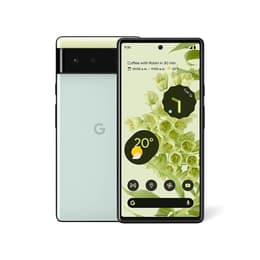
Google Pixel 6
Google Pixel 6
Starting at

Refurbished price:£101.00

Versus £649.99 new

See options
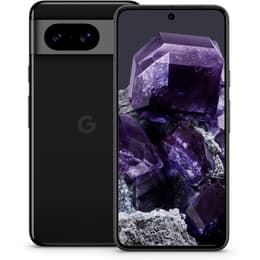
Google Pixel 8
Google Pixel 8
Starting at

Refurbished price:£189.00

Versus £699.99 new

See options

Ratings

The Google Pixel 6, released in October 2021, and the Google Pixel 8, launched in October 2023, represent two distinct generations within Google's smartphone lineup. While both devices operate on the Android platform and share Google's signature software-centric approach, the Pixel 8 introduces significant advancements in processing power, display technology, and camera capabilities. These differences cater to varying user needs, from those seeking a reliable and capable daily driver to users prioritizing the latest innovations and extended software support.

Scores

Durability

When considering the practical lifespan of these devices, several factors come into play, including their release timelines, software support, and repairability.

  • Release Timeline: The Pixel 6 was released in October 2021, making it an older device compared to the Pixel 8, which launched in October 2023. This two-year difference directly impacts their remaining software support and overall practical lifespan.
  • OS Support Duration: The Pixel 6 series was initially guaranteed 5 years of security updates (until October 2026) and 3 years of OS updates (until October 2024). However, Google later extended the support for the Pixel 6 series to 5 years of both OS and security updates. The Pixel 8, on the other hand, boasts an impressive commitment of 7 years of OS and security updates, extending its support until October 2030. This extended support means the Pixel 8 will receive new features and security patches for a significantly longer period.
  • Repairability: Both the Pixel 6 and Pixel 8 have received decent repairability scores. The Pixel 6 has been noted for the relative ease of display removal, with some users finding it easier to repair than certain other smartphones. The Pixel 8 also scores well in repairability, with a score of 7 out of 10, indicating that self-repairs are possible, though not recommended for inexperienced users. Google also provides official repair parts for its Pixel phones, which aids in their longevity.

Year of Release

2021

2023

Compatible with latest Update

Yes

Yes

OS

Android

Android

Foldable

No

No

Performance

The performance of a smartphone is crucial for daily tasks, from browsing to demanding applications. Both Pixel devices offer capable performance, but the newer model brings notable enhancements.

  • System Responsiveness: The Pixel 8 features a newer generation processor, which translates to smoother overall system responsiveness and more efficient handling of demanding applications and multitasking. Users will likely experience faster app loading times and more fluid transitions compared to the Pixel 6.
  • Battery Behavior: The Pixel 6 is equipped with a 4614 mAh battery, and users have reported it generally provides a full day of use with moderate activity. The Pixel 8 has a slightly smaller 4575 mAh battery, but its more efficient processor contributes to improved battery life for many users, though heavy usage might still require a charge before the day ends.
  • Storage and Multitasking: Both devices offer 128GB and 256GB storage options. The Pixel 6 comes with 8GB of RAM, while the Pixel 8 also features 8GB of RAM. While both are sufficient for most multitasking needs, the Pixel 8's newer processor architecture optimizes how this RAM is utilized, potentially leading to a more seamless experience when switching between numerous applications.

Memory (GB)

8 GB

8 GB

Screen quality

The display is a primary interface for smartphone interaction, and both Pixel models offer quality viewing experiences with distinct differences.

  • Display Technology and Clarity: Both the Pixel 6 and Pixel 8 feature OLED displays, known for their deep blacks and vibrant colors. The Pixel 6 has a 6.4-inch OLED display with FHD+ resolution (1080 x 2400 pixels). The Pixel 8 has a slightly smaller 6.2-inch Actua OLED display, also with FHD+ resolution (1080 x 2400 pixels).
  • Refresh Rate and Smoothness: The Pixel 6 offers a 90Hz refresh rate, providing a smoother scrolling experience than standard 60Hz displays. The Pixel 8 elevates this with a 120Hz refresh rate, which can dynamically adjust down to 60Hz to conserve power, resulting in even smoother animations and a more fluid user interface.
  • Brightness Levels: The Pixel 8's Actua display offers significantly higher peak brightness, reaching up to 2000 nits, which greatly enhances visibility in bright outdoor conditions compared to the Pixel 6. This makes the Pixel 8 more comfortable to use under direct sunlight.

Resolution

1080 x 2400

1080 x 2400

Screen type

AMOLED

OLED

Audiovisual

Google Pixel phones are renowned for their camera capabilities, and both the Pixel 6 and Pixel 8 deliver strong photographic performance, with the newer model introducing refinements.

  • Camera System Capabilities: The Pixel 6 features a dual-camera setup with a 50MP main sensor and a 12MP ultrawide lens. The Pixel 8 also has a dual-camera system, retaining a 50MP main sensor and a 12MP ultrawide lens, but with hardware and software enhancements. The Pixel 8's main sensor has a wider aperture, allowing it to capture more light.
  • Photography Performance: Both devices excel in everyday photography, producing sharp images with good dynamic range and accurate colors, largely due to Google's advanced computational photography. The Pixel 8 offers improved low-light performance and new software features that enhance image processing. Users often praise the consistent quality of photos from both models.
  • Video Recording Quality: Both the Pixel 6 and Pixel 8 are capable of recording video in 4K resolution at up to 60 frames per second. The Pixel 8 includes further optimizations for video, potentially offering better stabilization and overall clarity, though some users note that Pixel video quality, while good, may not always match the very top-tier competition.

Main camera

50 megapixels

50 megapixels

Front camera

8 megapixels

10.5 megapixels

Miscellaneous

Beyond the core features, several other elements contribute to the overall user experience and practical utility of these smartphones.

  • Connectivity Options: Both the Pixel 6 and Pixel 8 support 5G connectivity. The Pixel 6 supports Wi-Fi 6E and Bluetooth 5.2. The Pixel 8 upgrades to Wi-Fi 7 and Bluetooth 5.3, offering potentially faster and more stable wireless connections.
  • Port Types and Sensors: Both devices utilize a USB-C port for charging and data transfer. The Pixel 6 features an under-display optical fingerprint sensor. The Pixel 8 also includes an under-display optical fingerprint sensor and adds Face Unlock for biometric authentication.
  • Build Materials and Handling: The Pixel 6 features a glass front (Gorilla Glass Victus) and glass back (Gorilla Glass 6) with an aluminum frame, and an IP68 rating for dust and water resistance. The Pixel 8 enhances durability with Gorilla Glass Victus 2 on the front and Gorilla Glass Victus on the back, also with an IP68 rating. The Pixel 8 is slightly smaller and lighter than the Pixel 6, which can impact one-handed use and overall feel.

Weight

207 g

187 g

Screen size (in)

6.4

6.2

Mobile network

5G

5G

SIM card

Physical SIM + eSIM

Physical SIM + eSIM

Carrier compatibility

Unlocked

Unlocked

The Google Pixel 6 and Pixel 8 both offer a compelling Android experience, rooted in Google's software prowess and computational photography. User feedback for the Pixel 6 often highlights its strong camera performance and solid battery life as praise points. Some common criticisms for the Pixel 6 included initial software bugs and occasional heating during intensive tasks.

For the Pixel 8, users frequently commend its improved display, extended software support, and refined camera capabilities. While generally well-received, some users have noted that the battery life, while improved, might still require careful management for very heavy use, and some have experienced minor software glitches.

Users prioritizing long-term software support and the latest advancements in display technology and processing power will find the Pixel 8 well-suited to their needs. Its commitment to seven years of updates makes it an excellent choice for those who prefer to keep their devices for an extended period. Conversely, users seeking a reliable smartphone with a strong camera and good overall performance, without needing the absolute latest features, may find the Pixel 6 to be a capable option. Both devices offer a quality-assured refurbished option, providing an eco-friendly alternative for consumers.

See all articles

Our recent comparisons