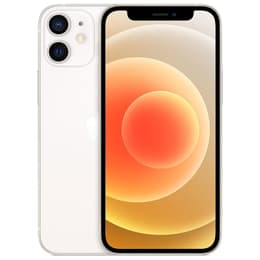

Galaxy S10+ Vs iPhone 12 mini

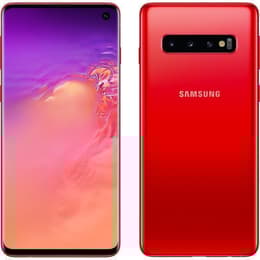
Galaxy S10+
Galaxy S10+
Starting at

Refurbished price:£115.32

Versus £330.00 new

See options
iPhone 12 mini
iPhone 12 mini
Starting at

Refurbished price:£126.00

Versus £579.00 new

See options

Ratings

The Samsung Galaxy S10 Plus, released in early 2019, and the Apple iPhone 12 Mini, arriving in late 2020, represent two very different philosophies in smartphone design. While the Galaxy S10 Plus offers a large-format experience with a focus on versatile hardware features, the iPhone 12 Mini prioritises a compact, one-handed form factor with modern connectivity. Choosing between them often comes down to a preference for the Android or iOS operating systems and whether you value a sprawling display or a pocket-friendly footprint. Opting for a quality-assured refurbished option allows users to access these distinct experiences while supporting a more circular economy.

Scores

Durability

The age gap between these two devices significantly impacts their long-term software viability and physical resilience in daily use.

  • Software Longevity: The iPhone 12 Mini, being a year newer and benefiting from Apple's extended support cycle, is expected to receive official operating system updates for several years longer than the Galaxy S10 Plus, which has reached the end of its major Android update path.
  • Physical Protection: While both devices feature glass and metal constructions, the iPhone 12 Mini introduces a specialised ceramic-infused front glass designed to better withstand drops, whereas the Galaxy S10 Plus relies on traditional hardened glass that remains durable but lacks the same impact resistance.
  • Maintenance and Repair: The Galaxy S10 Plus features a more complex internal layout with a curved screen that can be more involved to service, while the iPhone 12 Mini's flat design and modular components are generally more straightforward for professional technicians to address during routine maintenance.

Year of Release

2019

2020

Compatible with latest Update

No

Yes

OS

Android

iOS

Foldable

No

No

Performance

Despite their different sizes, both smartphones were designed to handle demanding tasks, though they approach power management and multitasking in unique ways.

  • System Responsiveness: The iPhone 12 Mini utilises highly efficient internal hardware that ensures smooth navigation through menus and rapid app launching, even when running the latest software versions. The Galaxy S10 Plus remains capable for daily tasks, though users may notice a slight difference in speed when opening heavy files compared to the newer iPhone.
  • Multitasking and Memory: With a higher amount of temporary memory, the Galaxy S10 Plus is particularly adept at keeping multiple applications open in the background without needing to refresh them, which is beneficial for users who frequently switch between work tools.
  • Battery Endurance: Due to its larger physical size, the Galaxy S10 Plus houses a much higher capacity battery that typically lasts through a full day of heavy use. In contrast, the iPhone 12 Mini's smaller battery requires more mindful management, especially for users who rely heavily on mobile data or video streaming throughout the day.

Memory (GB)

8 GB

4 GB

Screen quality

The viewing experience is perhaps the most immediate difference between these two models, catering to entirely different visual preferences and usage habits.

  • Display Technology and Size: The Galaxy S10 Plus features a 6.4-inch AMOLED display with curved edges that provide an immersive feel for watching videos or gaming. The iPhone 12 Mini uses a 5.4-inch OLED panel that, while smaller, offers exceptional colour accuracy and deep blacks in a much more manageable size for one-handed use.
  • Clarity and Detail: Both screens offer high pixel density, ensuring that text looks sharp and images appear detailed. The Galaxy S10 Plus allows for higher resolution settings, which can be adjusted to prioritise either extreme detail or battery conservation, whereas the iPhone 12 Mini maintains a fixed, high-quality resolution.
  • Outdoor Visibility: Each device performs well in bright environments, but the iPhone 12 Mini's screen is designed to reach high peak brightness levels, making it slightly easier to read under direct sunlight compared to the older display technology in the Galaxy S10 Plus.

Resolution

1440 x 3040

1080 x 2340

Screen type

Dynamic AMOLED

Super Retina XDR OLED

Audiovisual

Photography and media consumption are core strengths for both devices, though their hardware configurations offer different creative possibilities for users.

  • Camera Versatility: The Galaxy S10 Plus includes a dedicated telephoto lens, allowing for clearer zoomed-in photos, alongside its standard and wide-angle sensors. The iPhone 12 Mini lacks a zoom lens but compensates with advanced software processing that produces natural-looking skin tones and excellent dynamic range in various lighting conditions.
  • Low-Light Performance: Users will find that the iPhone 12 Mini handles evening and indoor photography with more clarity and less grain, thanks to its more modern sensors and night-mode capabilities that were less advanced when the Galaxy S10 Plus was released.
  • Video and Audio: For video creators, the iPhone 12 Mini offers highly stable recording and high-fidelity microphones. The Galaxy S10 Plus remains a strong contender for media consumption, featuring stereo speakers and a traditional headphone jack, which is a rare find for those who prefer wired audio equipment.

Main camera

12 megapixels

12 megapixels

Front camera

10 megapixels

12 megapixels

Miscellaneous

Beyond the core specifications, the practical day-to-day features and physical handling of these phones define the overall user experience.

  • Connectivity Standards: A major differentiator is the inclusion of 5G technology in the iPhone 12 Mini, providing access to faster mobile network speeds where available. The Galaxy S10 Plus is limited to 4G LTE, which remains reliable for standard browsing but lacks the future-readiness of the newer standard.
  • Security and Access: The Galaxy S10 Plus uses an ultrasonic fingerprint sensor embedded under the display for secure unlocking, while the iPhone 12 Mini relies on facial recognition technology, which many users find more seamless for authenticating payments and unlocking the device instantly.
  • Physical Handling: The iPhone 12 Mini is one of the lightest and smallest modern smartphones, making it ideal for users with smaller hands or those who dislike bulky devices. The Galaxy S10 Plus is significantly larger and heavier, offering more screen real estate at the cost of being more difficult to use with one hand.

Weight

175 g

135 g

Screen size (in)

6.4

5.4

Mobile network

4G

5G

SIM card

Dual Physical SIM

Physical SIM + eSIM

Carrier compatibility

Unlocked

Unlocked

Public sentiment regarding these two devices highlights a clear divide in user priorities. On community forums and review platforms, the Galaxy S10 Plus is frequently praised for its versatile approach, with users particularly appreciating the inclusion of the headphone jack, expandable storage via microSD, and the expansive, vibrant display. However, some users note that its battery life has naturally declined over the years and that the lack of recent software updates makes it feel slightly dated for modern app requirements. Conversely, the iPhone 12 Mini is celebrated for its unique size, with many users expressing relief at finding a powerful phone that fits easily in a pocket. The primary criticism for the Mini remains its battery capacity, which heavy users find limiting during long days away from a charger.

Users who prioritise media consumption, multitasking, and legacy features like wired headphones will likely find the Galaxy S10 Plus better suited to their lifestyle. Those who value long-term software support, 5G connectivity, and a compact design that is easy to carry will find the iPhone 12 Mini to be the more appropriate choice. Choosing a sustainable choice like a refurbished model ensures that either device can continue to serve a new owner effectively. Ultimately, the decision rests on whether you prefer the expansive, feature-rich environment of the Galaxy or the streamlined, modern efficiency of the iPhone.

See all articles

Our recent comparisons