
Galaxy A53 5G Vs iPhone 12

Galaxy A53 5G
Galaxy A53 5G
Starting at

Refurbished price:£109.00

Versus £459.00 new

See options
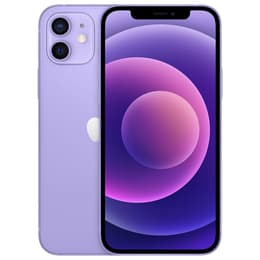
iPhone 12
iPhone 12
Starting at

Refurbished price:£141.00

Versus £649.00 new

See options

Ratings

The Samsung Galaxy A53 5G, released in early 2022, and the Apple iPhone 12, launched in late 2020, represent two distinct approaches to the modern smartphone experience. While the Galaxy A53 5G targets users looking for a modern mid-range device with a focus on battery life and display smoothness, the iPhone 12 remains a powerful contender from Apple’s flagship lineage. These devices operate on distinct platforms—Android and iOS respectively—offering unique software ecosystems and user interfaces that cater to different digital habits and preferences. In 2026, both devices continue to serve as reliable options for those seeking a balance between modern connectivity and practical functionality.

Scores

Durability

The Galaxy A53 5G and iPhone 12 offer different trajectories regarding their long-term utility and physical resilience in the current year.

  • Software Longevity: The Galaxy A53 5G was launched with a promise of four years of major software updates and five years of security patches, meaning it remains functional in 2026, though it is approaching the end of its primary update cycle. The iPhone 12, despite being older, benefits from Apple's historically long support windows, typically receiving security patches and system updates for six to seven years from its release date, ensuring it stays current with modern applications.
  • Build Resilience: The iPhone 12 features a glass and aluminium construction with a ceramic-hardened front, rated for water resistance up to six metres for thirty minutes. The Galaxy A53 5G uses a reinforced plastic frame and back, which handles impacts differently than glass, and carries a water resistance rating suitable for shallower depths of up to one metre.
  • Repairability: Both manufacturers have made strides in providing repair parts, though the iPhone 12 has a more established third-party repair network, while the Galaxy A53 5G's modular internal design is often noted by technicians for its straightforward component access.

Year of Release

2022

2020

Compatible with latest Update

Yes

Yes

OS

Android

iOS

Foldable

No

No

Performance

Everyday responsiveness and power management differ significantly between these two models due to their internal architectures and target audiences.

  • System Fluidity: The iPhone 12 utilizes a high-performance processor that, even years after release, handles demanding applications, video editing, and intensive gaming with high frame rates and minimal lag. The Galaxy A53 5G is equipped with a processor designed for efficiency, making it well-suited for social media, web browsing, and standard productivity apps, though it may show slight pauses during heavy multitasking.
  • Battery Endurance: Users will find the Galaxy A53 5G offers substantial battery capacity, often lasting well into a second day for moderate users thanks to its large internal cell. The iPhone 12 has a smaller physical battery, which generally requires a daily charge, especially for those who use navigation or streaming services frequently throughout the day.
  • Memory Management: The Galaxy A53 5G typically offers more physical memory, which helps keep multiple background apps open on the Android platform. The iPhone 12 uses less memory but benefits from highly optimized software that ensures the interface remains snappy and responsive during transitions.

Memory (GB)

4 GB

4 GB

Screen quality

The viewing experience is a primary differentiator, with each device prioritizing different aspects of display technology for the user.

  • Motion Smoothness: The Galaxy A53 5G features a high refresh rate of 120Hz, which makes scrolling through lists and navigating menus appear fluid and responsive. The iPhone 12 uses a standard 60Hz refresh rate, which is consistent and stable but lacks the ultra-smooth visual motion found on the Samsung.
  • Display Technology: Both phones use OLED technology, providing deep blacks and high contrast for media consumption. The Galaxy A53 5G offers a larger 6.5-inch screen, making it a strong choice for watching videos, while the iPhone 12 has a slightly smaller 6.1-inch display known for its colour accuracy and high peak brightness in outdoor settings.
  • Clarity and Detail: Each device provides a high-resolution experience where individual pixels are indistinguishable to the naked eye, ensuring that text looks sharp and images appear detailed during everyday use.

Resolution

1080 x 2400

1170 x 2532

Screen type

Super AMOLED

Super Retina XDR OLED

Audiovisual

Photography and media playback capabilities reflect the different market positions of these two smartphones in terms of versatility and consistency.

  • Camera Versatility: The Galaxy A53 5G includes a multi-lens system with a high-resolution main sensor and dedicated lenses for close-up photography and wide-angle shots, providing variety for creative users. The iPhone 12 focuses on a dual-camera setup that is widely praised for its consistent colour reproduction and reliable performance across both lenses.
  • Video Capabilities: The iPhone 12 is often preferred by mobile videographers for its smooth stabilization and the ability to record in high-dynamic-range formats, resulting in professional-looking footage. The Galaxy A53 5G produces clear video for social sharing, though it may lack the same level of stabilization in very shaky environments.
  • Audio Experience: Both devices feature stereo speakers that provide a clear and loud output for media. The iPhone 12 is noted for a more balanced sound profile with slightly more depth in the lower frequencies, while the Galaxy A53 5G offers clear dialogue and high-frequency clarity.

Main camera

64 megapixels

12 megapixels

Front camera

32 megapixels

12 megapixels

Miscellaneous

Practical features and physical handling play a significant role in the daily user experience for both professional and casual users.

  • Biometric Security: The Galaxy A53 5G uses an optical fingerprint sensor located under the display for secure unlocking. In contrast, the iPhone 12 utilizes facial recognition technology, which many users find seamless for unlocking the device and authenticating apps even in low-light conditions.
  • Physical Dimensions: The iPhone 12 is noticeably lighter and thinner, making it easier to use with one hand and more comfortable in smaller pockets. The Galaxy A53 5G is larger and heavier, which accommodates its bigger screen and battery but may require two-handed use for some tasks.
  • Connectivity and Ports: Both smartphones support 5G connectivity for fast mobile data. The Galaxy A53 5G uses the universal USB-C port for charging and data transfer, whereas the iPhone 12 uses the proprietary Lightning port, which may require specific cables if you are transitioning from other electronics.

Weight

189 g

164 g

Screen size (in)

6.5

6.1

Mobile network

5G

5G

SIM card

Dual Physical SIM

Physical SIM + eSIM

Carrier compatibility

Unlocked

Unlocked

The choice between the Galaxy A53 5G and the iPhone 12 often comes down to a preference for specific hardware features versus ecosystem integration. According to user discussions on various tech forums, the Galaxy A53 5G is frequently commended for its battery life and the smoothness of its 120Hz display, which many feel rivals flagship models. However, some users note that the interface can occasionally show pauses under heavy load. The iPhone 12 is consistently praised for its enduring speed and the quality of its video recording, though the most common criticism involves its battery life, which some find lacking compared to modern standards.

Users who prioritize a large, fluid screen for media consumption and need a battery that can reliably last through a long day will find the Galaxy A53 5G aligns well with their needs. Conversely, those who prefer a more compact, lightweight device with high-end processing power and a simplified user experience may lean toward the iPhone 12. Choosing a quality-assured refurbished option for either of these models is an eco-friendly alternative that supports a more sustainable electronics industry. Ultimately, both devices remain capable in 2026, providing reliable performance for different types of smartphone users. Selecting a sustainable choice like a refurbished device ensures these functional electronics continue to serve a purpose while reducing environmental impact.

See all articles

Our recent comparisons