Galaxy S21 FE 5G Vs iPhone 13

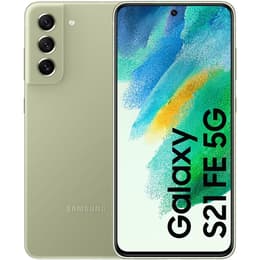
Galaxy S21 FE 5G
Galaxy S21 FE 5G
Starting at

Refurbished price:£123.00

Versus £759.00 new

See options
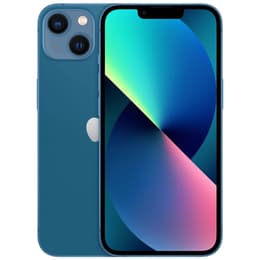
iPhone 13
iPhone 13
Starting at

Refurbished price:£204.00

Versus £599.00 new

See options

Ratings

The Samsung Galaxy S21 FE 5G, released in early 2022, and the Apple iPhone 13, launched in late 2021, represent two distinct approaches to the modern smartphone experience. While the Galaxy S21 FE 5G offers a customisable Android environment with a focus on display fluidity and versatile photography, the iPhone 13 provides a streamlined iOS experience known for its hardware-software integration and consistent performance. Both devices were designed to offer high-end features in a more accessible format than their respective 'Pro' counterparts.

Choosing between these two models often comes down to a preference for operating systems and specific hardware priorities, such as screen size or camera versatility. The Galaxy S21 FE 5G features a larger, high-refresh-rate display, whereas the iPhone 13 is more compact and prioritises video quality and long-term software support. This comparison explores the practical differences to help you decide which device aligns best with your daily habits and technical requirements.

Scores

Durability

When considering how long a device will remain functional and secure, both Samsung and Apple have established strong reputations for long-term software support and physical resilience. Choosing a sustainable choice like a quality-assured refurbished model can further extend the useful life of these well-built smartphones.

  • Software Longevity: The iPhone 13 typically receives iOS updates for six years or more from its release date, ensuring it stays current with the latest features and security patches well into the late 2020s. The Galaxy S21 FE 5G is supported by Samsung’s commitment to four generations of Android OS updates and five years of security patches, providing a predictable and reliable software lifespan.
  • Build and Repairability: The iPhone 13 uses a glass and aluminium construction with a specialised ceramic shield on the front for improved drop protection. The Galaxy S21 FE 5G utilises a reinforced polycarbonate back and an aluminium frame, which is often more resistant to cracks than glass. Both devices have widely available replacement parts, making them relatively straightforward for professional technicians to service.
  • Practical Lifespan: Users can expect both devices to perform reliably for several years. The iPhone 13 benefits from a highly efficient architecture that maintains speed as the software evolves, while the Galaxy S21 FE 5G’s robust hardware ensures it remains capable of handling demanding modern applications throughout its supported life.

Year of Release

2022

2021

Compatible with latest Update

Yes

Yes

OS

Android

iOS

Foldable

No

No

Performance

Performance in these devices is defined by how smoothly they handle everyday tasks, from switching between multiple apps to running graphics-heavy mobile games without lag or overheating.

  • System Responsiveness: The iPhone 13 is known for its immediate response to touch and fluid animations, thanks to a processor that is deeply integrated with the operating system. The Galaxy S21 FE 5G offers a highly responsive experience, particularly when navigating the interface or scrolling through long documents, aided by its high-speed internal components and ample memory for multitasking.
  • Battery and Efficiency: In typical daily use, the iPhone 13 is noted for its efficient power management, often lasting through a full day of mixed use despite having a physically smaller battery. The Galaxy S21 FE 5G contains a larger battery capacity designed to support its power-hungry display, providing consistent performance for users who frequently stream video or use navigation apps.
  • Storage and Multitasking: Both models start with 128GB of internal storage, which is sufficient for most users' photos and apps. The Galaxy S21 FE 5G often comes with more system memory (RAM), which helps keep more apps open in the background, while the iPhone 13 uses its memory more conservatively to achieve similar levels of multitasking efficiency.

Memory (GB)

8 GB

4 GB

Screen quality

The display is the primary way users interact with their devices, and these two models offer different technologies that cater to various visual preferences and environments.

  • Display Technology and Smoothness: The Galaxy S21 FE 5G features a 6.4-inch AMOLED screen with a 120Hz refresh rate, which means the image updates 120 times per second for exceptionally smooth scrolling and motion. The iPhone 13 uses a 6.1-inch OLED display with a standard 60Hz refresh rate, focusing on high colour accuracy and deep contrast for a natural viewing experience.
  • Brightness and Outdoor Use: Both screens are designed to be legible in bright sunlight. The iPhone 13 offers high peak brightness that makes it easy to read text outdoors, while the Galaxy S21 FE 5G uses its vibrant display technology to maintain clear visibility and punchy colours even in direct light.
  • Viewing Experience: The Galaxy S21 FE 5G provides a slightly larger canvas for watching videos or playing games, with very thin borders around the screen. The iPhone 13 is slightly more compact, making it easier to use with one hand, while still providing a sharp and clear resolution that makes photos and text look crisp.

Resolution

1080 x 2340

1170 x 2532

Screen type

Dynamic AMOLED 2X

Super Retina XDR OLED

Audiovisual

Photography and video capabilities are central to the smartphone experience, with both devices offering sophisticated sensor arrays that perform well in a variety of lighting conditions.

  • Camera Versatility: The Galaxy S21 FE 5G includes a triple-camera system featuring a dedicated telephoto lens, which allows for clearer zoomed-in photos of distant subjects. The iPhone 13 uses a dual-camera system that lacks a dedicated zoom lens but excels in capturing wide-angle shots with consistent colour and detail across both sensors.
  • Low-Light and Video: The iPhone 13 is frequently praised for its video stability and natural-looking low-light photography, making it a reliable choice for capturing memories in dim environments. The Galaxy S21 FE 5G offers a range of software features for night photography and high-resolution video recording that provides plenty of detail for social media sharing.
  • Audio and Media: Both smartphones feature stereo speakers that provide a clear and balanced sound for watching movies or taking calls on speakerphone. The microphone arrays on both devices are designed to filter out background noise, ensuring clear voice quality during video recordings and phone conversations.

Main camera

12 megapixels

12 megapixels

Front camera

32 megapixels

12 megapixels

Miscellaneous

Beyond the core specifications, practical features like connectivity, physical dimensions, and biometric security play a significant role in how these devices feel in daily use.

  • Connectivity and Ports: Both devices support 5G connectivity for fast mobile data speeds and are compatible with modern Wi-Fi standards. The Galaxy S21 FE 5G uses a universal USB-C port for charging and data transfer, while the iPhone 13 uses Apple’s proprietary Lightning port, which is common across many of its accessories.
  • Biometrics and Security: The iPhone 13 relies on FaceID, which uses 3D facial mapping to unlock the device securely and quickly. The Galaxy S21 FE 5G features an optical fingerprint sensor built directly into the display, allowing users to unlock the phone with a simple touch on the screen.
  • Size and Handling: The iPhone 13 is the more compact of the two, with a flat-edge design that many users find secure to hold. The Galaxy S21 FE 5G is slightly taller and wider to accommodate its larger screen, but it remains relatively light and comfortable for extended use due to its contoured edges and materials.

Weight

177 g

173 g

Screen size (in)

6.4

6.1

Mobile network

5G

5G

SIM card

Physical SIM

Physical SIM + eSIM

Carrier compatibility

Unlocked

Unlocked

In summary, the choice between the Galaxy S21 FE 5G and the iPhone 13 depends largely on which features you prioritise in your daily routine. Based on user discussions and community feedback, the Galaxy S21 FE 5G is often praised for its smooth 120Hz display and the flexibility of its triple-camera system, particularly the zoom capabilities. Some users have noted that the battery life can vary depending on how much the high-refresh-rate screen is used. On the other hand, the iPhone 13 is frequently commended for its reliable battery performance, exceptional video quality, and the simplicity of the iOS ecosystem. Some users find the 60Hz screen less fluid compared to modern alternatives, though many do not notice the difference in everyday tasks.

Users who prioritise a larger, smoother screen for gaming or media consumption, and who prefer the customisation options of Android, will find the Galaxy S21 FE 5G well-suited to their needs. Conversely, those who prefer a more compact device with long-term software reliability and a focus on high-quality video recording may lean toward the iPhone 13. Both devices are excellent examples of modern smartphone technology that continue to perform well years after their initial release. For those looking to make an eco-friendly choice, opting for a quality-assured refurbished option is a practical way to enjoy these features while supporting a more sustainable electronics cycle. Ultimately, both smartphones offer a balanced experience that can satisfy the requirements of professionals, students, and casual users alike.

See all articles

Our recent comparisons