
Google Pixel Fold Vs iPhone 14

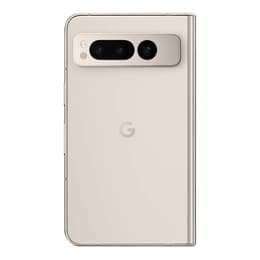
Google Pixel Fold
Google Pixel Fold
Starting at

Refurbished price:£371.00

Versus £1,499.00 new

See options
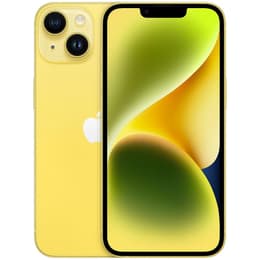
iPhone 14
iPhone 14
Starting at

Refurbished price:£229.00

Versus £599.00 new

See options

Ratings

The Google Pixel Fold (2023) and the iPhone 14 (2022) represent two distinct philosophies in the modern smartphone market. While the Pixel Fold introduces a versatile, folding design that transforms from a compact phone into a small tablet, the iPhone 14 remains a refined example of the traditional smartphone form factor. These devices run on different ecosystems—Android and iOS respectively—offering unique software experiences tailored to their specific hardware capabilities. Choosing between them involves weighing the benefits of a multi-screen productivity tool against a highly reliable, standard-sized device.

Scores

Durability

When evaluating how long these devices will remain functional and relevant, their physical construction and software support cycles play a primary role.

  • Software Longevity: The iPhone 14 typically receives operating system updates for six to seven years, ensuring it stays current with the latest features and security patches for a significant period. The Google Pixel Fold, released a year later, is supported by a commitment to five years of security updates, providing a dependable lifespan for users who plan to keep their device for several years.
  • Physical Resilience: The iPhone 14 features a conventional glass-and-aluminium design that is well-understood for its structural integrity and water resistance. In contrast, the Pixel Fold incorporates a complex mechanical hinge and a flexible internal display; while engineered for thousands of folds, this adds more moving parts compared to the static build of the iPhone.
  • Repairability: Both manufacturers have made strides in making components more accessible for technicians. The iPhone 14 has an internal architecture that allows for easier screen and back glass replacements, while the Pixel Fold's intricate folding mechanism requires more specialised handling during repairs.

Year of Release

2023

2022

Compatible with latest Update

Yes

Yes

OS

Android

iOS

Foldable

Yes

No

Performance

Daily usage reveals how these devices handle demanding tasks, from multitasking with several apps to running high-definition media smoothly.

  • System Responsiveness: The iPhone 14 is known for its fluid interface and efficient handling of resources, which keeps the experience consistent even when switching between many open applications. The Pixel Fold utilises hardware specifically optimised for complex tasks like split-screen multitasking, allowing users to run two apps side-by-side on the large internal screen without noticeable lag.
  • Battery Management: Because the Pixel Fold powers two separate displays, its battery management is designed to balance the high energy demands of the larger screen with everyday efficiency. The iPhone 14, with its single display and highly efficient internal components, is built to last through a full day of standard use, though heavy users may find themselves reaching for a charger by evening.
  • Storage and Memory: Both devices offer various storage capacities to house photos, videos, and apps. The Pixel Fold comes with a higher amount of temporary memory to support its tablet-like features, whereas the iPhone 14 relies on deep software integration to maintain high performance with less hardware overhead.

Memory (GB)

12 GB

6 GB

Screen quality

The viewing experience is perhaps the most significant differentiator between these two models, as they offer vastly different screen technologies and sizes.

  • Display Versatility: The Pixel Fold features a dual-screen setup: a 5.8-inch outer display for quick tasks and a massive 7.6-inch inner display that provides a tablet-like experience for watching videos or reading. The iPhone 14 uses a single 6.1-inch OLED display, which offers deep blacks and vibrant colours in a size that is easy to navigate with one hand.
  • Visual Smoothness: The Pixel Fold supports a high refresh rate of 120Hz on both screens, which makes scrolling through web pages and animations appear very fluid. The iPhone 14 maintains a standard 60Hz refresh rate, providing a reliable and clear experience, while the Pixel Fold prioritises extra smoothness with its higher rate.
  • Outdoor Visibility: Both screens are designed to be bright enough for use in direct sunlight. The iPhone 14's display is highly regarded for its colour accuracy, while the Pixel Fold's inner screen provides an expansive canvas that makes fine details in photos and documents much easier to see.

Resolution

1840 x 2208

1170 x 2532

Screen type

Foldable OLED

Super Retina XDR OLED

Audiovisual

For users who capture many memories or consume a lot of media, the camera systems and speaker quality are essential considerations.

  • Camera Capabilities: The Pixel Fold is equipped with a triple-lens rear system, including a dedicated telephoto lens that allows for high-quality zoomed-in shots. The iPhone 14 features a dual-lens system that excels in capturing natural skin tones and consistent exposure across different lighting conditions, though it focuses on a dual-lens setup without a separate zoom lens.
  • Video and Audio: The iPhone 14 is frequently cited for its stable video recording and high-quality microphones, making it a popular choice for social media and video calls. The Pixel Fold offers unique video features, such as the ability to prop the phone up in "tent mode" for hands-free recording or viewing, supported by a robust stereo speaker system.
  • Low-Light Performance: Both devices use advanced software processing to brighten photos taken in dark environments. The Pixel Fold's processing tends to highlight shadows and details, while the iPhone 14 focuses on maintaining a realistic look with minimal digital noise.

Main camera

48 megapixels

12 megapixels

Front camera

8 megapixels

12 megapixels

Miscellaneous

Beyond the main specs, the physical feel and connectivity of these devices impact how they fit into your daily routine.

  • Portability and Weight: There is a significant difference in weight; the Pixel Fold is considerably heavier due to its hinge and extra screen, which may be noticeable in a pocket. The iPhone 14 is lightweight and slim, making it very comfortable for long periods of one-handed use.
  • Biometrics and Ports: The iPhone 14 uses facial recognition for secure unlocking, which is integrated into the top of the screen. The Pixel Fold uses a fingerprint sensor built into the power button, which some users find more convenient when the device is folded. Additionally, the Pixel Fold uses a standard USB-C port, while the iPhone 14 uses the Lightning connector.
  • Connectivity: Both phones support 5G for fast mobile data and the latest Wi-Fi standards for stable home internet. They are also equipped with modern Bluetooth technology for connecting to headphones and smartwatches without interruption.

Weight

283 g

172 g

Screen size (in)

7.6

6.1

Mobile network

5G

5G

SIM card

Physical SIM + eSIM

Physical SIM + eSIM

Carrier compatibility

Unlocked

Unlocked

Connector

USB-C

Lightning

In summary, the Google Pixel Fold and the iPhone 14 cater to different user needs through their distinct designs. User discussions on platforms like Reddit often highlight the Pixel Fold's impressive ability to function as a productivity powerhouse, with many praising the wide outer screen that feels like a "normal" phone. However, some users note its weight and the visible crease on the inner display as trade-offs for the folding technology. The iPhone 14 is consistently praised for its reliability, ease of use, and the seamless way it fits into the broader ecosystem of devices, though some tech-focused users express a desire for a faster refresh rate on the display.

Users who prioritise media consumption, multitasking, and having a large screen for reading or work will likely find the Google Pixel Fold to be the more suitable choice. On the other hand, those who value a lightweight design, long-term software support, and a straightforward, dependable user experience may lean toward the iPhone 14. For those looking to make a sustainable choice, opting for a quality-assured refurbished option is an excellent way to access these technologies while reducing environmental impact. Ultimately, both devices offer high-quality experiences; the decision rests on whether you prefer the innovative versatility of a foldable or the proven consistency of a classic smartphone. Choosing an eco-friendly alternative through refurbishment ensures you get a device that has been thoroughly tested for performance and longevity.
See all articles

Our recent comparisons