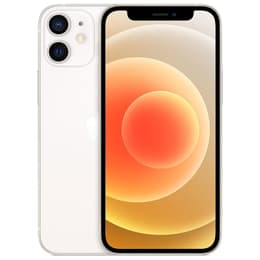

Galaxy A14 5G Vs iPhone 12 mini

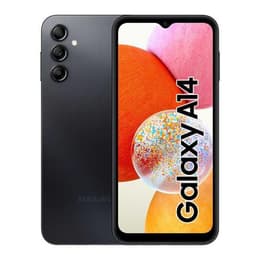
Galaxy A14 5G
Galaxy A14 5G
Starting at

Refurbished price:£80.00

Versus £289.00 new

See options
iPhone 12 mini
iPhone 12 mini
Starting at

Refurbished price:£126.00

Versus £579.00 new

See options

Ratings

The Samsung Galaxy A14 5G, released in early 2023, and the Apple iPhone 12 Mini, launched in late 2020, represent two distinct philosophies in the smartphone market. While the Galaxy A14 5G is designed as a contemporary device with a focus on a large display and modern network compatibility, the iPhone 12 Mini was engineered to provide a full-featured experience in a significantly smaller, pocket-friendly form factor. These devices cater to different user needs not only through their physical dimensions but also through their operating systems, with Samsung utilizing the customisable Android platform and Apple employing its streamlined iOS ecosystem.

Choosing between these two models involves weighing the benefits of a newer, larger device against a more compact, established one. The Galaxy A14 5G offers the advantages of a more recent release date, while the iPhone 12 Mini provides the integration and longevity often associated with its manufacturer's hardware and software synergy. Understanding how these differences impact daily use is essential for making an informed decision that aligns with your specific habits and requirements.

Scores

Durability

When evaluating how long these devices will remain functional and relevant, it is important to consider their release dates alongside the software support commitments from their respective manufacturers.

  • Software Support and Updates: The Galaxy A14 5G arrived in 2023 with a commitment to several years of security patches and operating system upgrades, ensuring it stays current with modern app requirements. In contrast, the iPhone 12 Mini, despite being older, benefits from a historically long support cycle that typically sees devices receiving the latest features and security fixes for six to seven years from their original launch date.
  • Physical Longevity and Repair: The iPhone 12 Mini features a build of glass and aluminium with high water and dust resistance ratings, though its compact internal layout can make certain repairs more intricate. The Galaxy A14 5G utilizes a sturdy plastic construction that is resilient against drops, and its larger internal space often allows for more straightforward component access during professional servicing, contributing to a reliable practical lifespan.
  • Future Readiness: Both smartphones are equipped with 5G capabilities, meaning they are prepared for the ongoing rollout of faster mobile networks. While the iPhone 12 Mini is further along in its lifecycle, its efficient software management helps it maintain a responsive feel, whereas the Galaxy A14 5G relies on its more recent hardware components to handle evolving digital tasks over the coming years.

Year of Release

2023

2020

Compatible with latest Update

Yes

Yes

OS

Android

iOS

Foldable

No

No

Performance

Performance in these devices is defined by how smoothly they handle everyday tasks, from browsing the web and checking emails to multitasking between various productivity applications.

  • System Responsiveness: The iPhone 12 Mini provides a very fluid user experience, with apps opening quickly and animations remaining smooth even when several processes are running in the background. The Galaxy A14 5G offers reliable performance for standard daily activities, handling social media, streaming, and navigation with a steady pace that meets the needs of most casual users.
  • Battery Endurance: A significant difference exists in battery behavior; the Galaxy A14 5G houses a large internal battery that comfortably lasts through a full day of heavy use, making it suitable for those who are often away from a charger. The iPhone 12 Mini, due to its smaller physical size, has a more modest battery capacity that may require a mid-day top-up for users who frequently engage in power-intensive tasks like video calling or GPS navigation.
  • Multitasking and Storage: Both devices offer sufficient memory to keep essential apps ready for use, though the iPhone's system is particularly efficient at managing resources. Storage options on both models allow for a healthy collection of photos and apps, but the Galaxy A14 5G includes the practical benefit of expandable storage via a memory card slot, allowing users to increase their space as their digital library grows.

Memory (GB)

4 GB

4 GB

Screen quality

The viewing experience is one of the most immediate differences between these two smartphones, as they utilize different display technologies and sizes to present content.

  • Display Technology and Clarity: The iPhone 12 Mini features an OLED display, which is known for providing deep blacks and high contrast, making movies and photos look particularly vibrant. The Galaxy A14 5G uses an LCD panel that delivers natural colors and clear text, providing a solid visual experience for reading articles and scrolling through feeds.
  • Smoothness and Refresh Rate: The Galaxy A14 5G incorporates a higher refresh rate, which results in smoother motion when scrolling through menus or websites compared to standard displays. While the iPhone 12 Mini operates at a traditional refresh rate, the high responsiveness of its touch interface ensures that the user experience still feels snappy and direct.
  • Size and Outdoor Visibility: With a 6.6-inch screen, the Galaxy A14 5G provides a much larger canvas for watching videos or playing games, which many users find more immersive. The iPhone 12 Mini’s 5.4-inch screen is much smaller but offers excellent brightness levels, ensuring that the display remains easy to read even when used outdoors under direct sunlight.

Resolution

1080 x 2408

1080 x 2340

Screen type

PLS LCD

Super Retina XDR OLED

Audiovisual

Photography and video capabilities are central to the modern smartphone experience, with both devices offering versatile setups for capturing daily moments.

  • Image Quality and Versatility: The Galaxy A14 5G features a multi-lens system with a high-resolution main sensor that captures detailed images in bright light, complemented by specialized lenses for close-up photography. The iPhone 12 Mini utilizes a dual-camera system that focuses on consistency, delivering balanced colors and excellent dynamic range across both its standard and ultra-wide lenses.
  • Low-Light Performance: In darker environments, the iPhone 12 Mini excels by using advanced software processing to brighten images and reduce noise, making it a reliable choice for evening gatherings. The Galaxy A14 5G performs well in well-lit scenarios, though users may notice a decrease in fine detail when taking photos in very dim settings.
  • Video and Audio Capture: Video recording on the iPhone 12 Mini is notably stable and clear, with high-quality microphones that capture crisp audio for social media posts or family videos. The Galaxy A14 5G provides functional video recording suitable for casual use, and its microphone system is well-suited for clear voice calls and voice memos in most environments.

Main camera

50 megapixels

12 megapixels

Front camera

13 megapixels

12 megapixels

Miscellaneous

Beyond the core specifications, several practical features and design choices influence how these phones feel and function in a user's hand.

  • Biometrics and Connectivity: The iPhone 12 Mini uses facial recognition technology for secure unlocking, which is integrated deeply into the software for a seamless experience. The Galaxy A14 5G opts for a fingerprint sensor built into the power button, providing a quick and tactile way to access the device, and it also retains a traditional headphone jack for those who prefer wired audio.
  • Dimensions and Handling: Handling is a major differentiator; the iPhone 12 Mini is exceptionally light and small, making it one of the few modern phones that can be easily operated with one hand. The Galaxy A14 5G is significantly larger and heavier, which provides a more substantial feel and more room for content, though it generally requires two hands for comfortable navigation.
  • Build Materials and Features: The iPhone 12 Mini is constructed with premium materials and includes MagSafe technology, allowing for easy attachment of magnetic accessories and wireless chargers. The Galaxy A14 5G features a practical plastic build that is less prone to shattering than glass, and its inclusion of a microSD slot offers a level of hardware flexibility that is increasingly rare in modern smartphones.

Weight

201 g

135 g

Screen size (in)

6.6

5.4

Mobile network

5G

5G

SIM card

Dual Physical SIM

Physical SIM + eSIM

Carrier compatibility

Unlocked

Unlocked

Connector

USB-C + Jack 3.5mm

Lightning

In summary, the choice between the Galaxy A14 5G and the iPhone 12 Mini depends largely on your priorities regarding size, battery life, and ecosystem. Based on user discussions and community feedback, the Galaxy A14 5G is frequently praised for its impressive battery endurance and large, smooth-scrolling display, making it a popular choice for those who consume a lot of media. However, some users note that its larger footprint can be cumbersome for those with smaller hands. On the other hand, the iPhone 12 Mini is celebrated for its powerful performance and unique compact design, though the most common criticism involves its shorter battery life compared to larger models.

Users who prioritize a large screen for entertainment and need a battery that can last through a long day will likely find the Galaxy A14 5G better suited to their lifestyle. Conversely, those who value a phone that is easy to carry, offers a high-quality camera, and fits perfectly into the iOS ecosystem may lean toward the iPhone 12 Mini. For those looking to make a sustainable choice, selecting a quality-assured refurbished option is an excellent way to obtain these features while reducing environmental impact. Ultimately, both devices are capable tools that serve different niches, and choosing a refurbished model remains an eco-friendly alternative that supports a more circular electronics economy.

See all articles

Our recent comparisons