iPhones
Compare models
Differences at a glance
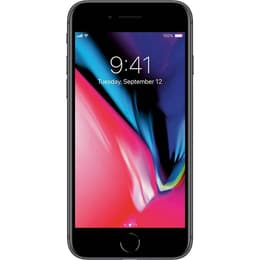
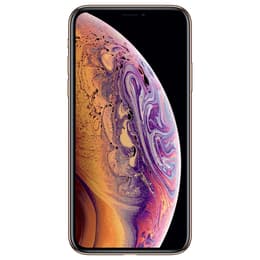
The iPhone 8 (2017) and iPhone Xs (2018) represent a significant era of transition for Apple smartphones, marking the shift from traditional designs to the modern all-screen aesthetic. While the iPhone 8 retains the classic home button and familiar borders, the iPhone Xs introduces a more expansive display and gesture-based navigation. Both devices operate on the iOS platform, though their ability to run recent software updates varies due to the age of their internal components. This comparison explores how these two generations differ in daily use, helping users decide which model best fits their specific requirements.
Colour
Storage (GB)
The iPhone 8 and iPhone Xs differ significantly in their long-term software viability and physical construction, which impacts how long they remain useful in a modern context. While the iPhone 8 is a sturdy device, its older internal architecture means it has reached the end of its major software update cycle, whereas the iPhone Xs remains compatible with newer versions for a longer duration. For those looking to extend the utility of these devices, choosing a quality-assured refurbished option ensures that the hardware has been thoroughly checked for longevity and performance.
Year of Release
Compatible with latest Update
OS
Foldable
When evaluating how these devices handle daily tasks in 2026, the difference in internal memory and processing efficiency becomes apparent during multitasking and app loading. The iPhone 8 is well-suited for standard activities such as messaging and light browsing, but it may show signs of slowing down when faced with modern, resource-heavy applications. The iPhone Xs, equipped with more system memory, provides a smoother experience when switching between multiple open apps and handling more demanding software without frequent refreshes.
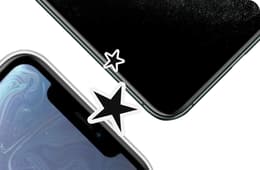
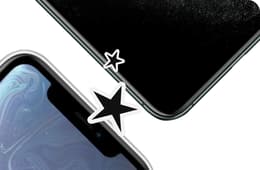
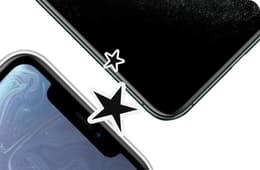
The display technology marks the most visible difference between these two smartphones, impacting everything from watching high-definition videos to reading text in bright sunlight. The iPhone 8 uses a traditional liquid crystal display (LCD) which offers natural colours and reliable performance for everyday viewing. The iPhone Xs, however, moved to organic light-emitting diode (OLED) technology, which allows for much deeper blacks and a higher contrast ratio because each individual pixel can be turned off completely.
Resolution
Screen type
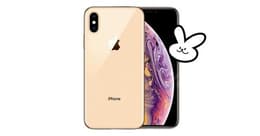
Photography and media consumption are areas where the generational gap is clearly defined by the hardware configurations and the number of available camera lenses. The iPhone 8 features a single rear camera that performs reliably in well-lit conditions and captures clear video for casual use. The iPhone Xs introduces a dual-camera system, adding a dedicated telephoto lens for zooming and depth sensing, which enables more advanced photographic techniques and better overall image quality.
Main camera
Front camera
Practical daily usage is influenced by the physical dimensions, weight, and the specific biometric security methods used to unlock the devices and authorise payments. The iPhone 8 is one of the last models to feature the familiar Touch ID fingerprint sensor, which many users find convenient for quick access without looking at the phone. The iPhone Xs replaced this with Face ID, using facial recognition technology to secure the device and provide a hands-free unlocking experience.
Weight
Screen size (in)
Mobile network
SIM card
Carrier compatibility
Connector
User feedback from various online communities highlights distinct preferences for each of these models based on their design and functionality. The iPhone 8 is frequently praised for its compact size and the reliability of the physical home button, with many users appreciating the simplicity of the interface. However, common criticisms include the dated design and the limited camera capabilities compared to modern standards. The iPhone Xs is often celebrated for its beautiful OLED screen and the modern feel of gesture navigation, though some users have noted that battery health can decline over several years of use, requiring more attention to charging habits.
Consensus among long-term owners suggests that the iPhone 8 remains a functional choice for those who prefer a traditional experience, while the iPhone Xs is seen as the entry point into the modern era of smartphone design. Users who prioritise a small, lightweight device with a physical button will find the iPhone 8 aligns with their needs. Conversely, those who desire a larger, more vibrant display and better camera performance for social media will likely prefer the iPhone Xs. Choosing a sustainable choice like a refurbished model allows users to access these features while supporting a more circular economy. Both devices continue to serve as capable tools for communication and daily tasks in 2026.