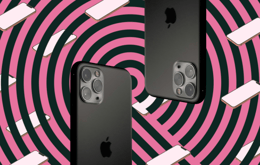
iPhone 12 Pro Vs iPhone 8

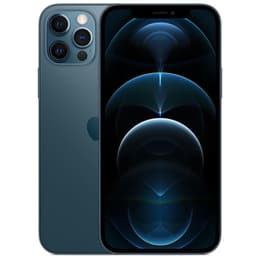
iPhone 12 Pro
iPhone 12 Pro
Starting at

Refurbished price:£205.00

Versus £879.00 new

See options
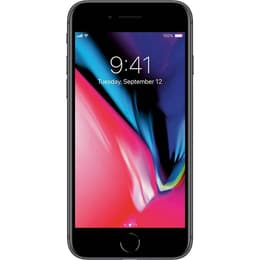
iPhone 8
iPhone 8
Starting at

Refurbished price:£69.00

Versus £249.00 new

See options

Ratings

The iPhone 12 Pro, released in 2020, and the iPhone 8, launched in 2017, represent two distinct generations of smartphone technology. While the iPhone 8 maintains the classic design with a physical home button and a compact screen, the iPhone 12 Pro introduces a modern, all-screen aesthetic with significantly more advanced internal hardware. These devices cater to different user preferences. The iPhone 12 Pro runs the most recent operating systems, whereas the iPhone 8 is now limited to essential security updates, marking a clear divide in their functional longevity.

Scores

Durability

The age difference between these two models significantly influences their expected lifespan and their ability to handle future software requirements.

  • Software support: The iPhone 12 Pro continues to receive full operating system updates, providing users with the latest features and security enhancements for the foreseeable future. The iPhone 8 has transitioned to a legacy phase, meaning it no longer receives major feature updates and may eventually lose compatibility with certain modern applications.
  • Physical resilience: Featuring a Ceramic Shield front and a stainless steel frame, the iPhone 12 Pro is designed to withstand daily wear and tear more effectively than the iPhone 8. The older model uses a standard glass and aluminium build which, while sturdy, does not benefit from the reinforced materials introduced in later generations.
  • Repair accessibility: Both smartphones are widely supported by repair services for common issues like battery degradation or screen damage. However, the iPhone 12 Pro benefits from a more modular internal design in some areas, whereas the iPhone 8 remains a familiar and simple device for most technicians to service.

Year of Release

2020

2017

Compatible with latest Update

Yes

No

OS

iOS

iOS

Foldable

No

No

Performance

Daily performance varies noticeably between these devices, especially when handling modern, resource-intensive applications or multitasking between several tasks.

  • System responsiveness: The iPhone 12 Pro offers a fluid and fast experience, allowing users to launch apps instantly and edit high-definition video without lag. The iPhone 8, while capable of handling basic tasks like messaging and browsing, may show signs of slowing down when running the latest demanding games or complex productivity tools.
  • Battery behaviour: With a larger physical battery and more efficient internal components, the iPhone 12 Pro is better equipped to last through a full day of heavy use. The iPhone 8 has a smaller battery capacity, which often necessitates more frequent charging, particularly for users who are active on social media or video streaming services.
  • Multitasking capacity: The iPhone 12 Pro contains significantly more memory, which helps the system keep multiple apps open in the background without needing to refresh them. The iPhone 8 has more limited memory, which can lead to apps closing more frequently when the user switches between different tasks.

Memory (GB)

6 GB

2 GB

Screen quality

The visual experience is one of the most immediate differences users will notice, as display technology evolved considerably between 2017 and 2020.

  • Display technology: The iPhone 12 Pro features an OLED screen that delivers deep blacks and vibrant colours, making it ideal for watching films or viewing photos. In contrast, the iPhone 8 uses an LCD panel which, while clear and accurate, cannot match the high contrast and brightness levels of the newer technology.
  • Screen-to-body ratio: By removing the home button, the iPhone 12 Pro provides a much larger 6.1-inch viewing area within a frame that remains comfortable to hold. The iPhone 8 features a 4.7-inch screen with significant borders at the top and bottom, resulting in a much smaller display for media consumption.
  • Outdoor visibility: The iPhone 12 Pro can reach much higher brightness levels, ensuring the screen remains legible even under direct sunlight. The iPhone 8 may be more difficult to read in bright outdoor environments due to its lower peak brightness capabilities.

Resolution

1170 x 2532

750 x 1334

Screen type

Super Retina XDR OLED

Retina IPS LCD

Audiovisual

The camera and audio systems highlight the shift from a simple, functional setup to a more professional-grade multimedia experience.

  • Camera versatility: The iPhone 12 Pro is equipped with three separate lenses—wide, ultra-wide, and telephoto—allowing for a variety of photographic perspectives. The iPhone 8 features a single wide-angle lens, which is reliable for standard snapshots but lacks the flexibility for wide landscapes or optical zooming.
  • Low-light photography: Advanced night mode and larger sensors allow the iPhone 12 Pro to capture detailed and bright images in very dark settings. The iPhone 8 lacks these specialised low-light features, often resulting in darker, grainier photos when the lighting is not ideal.
  • Audio and video: Video recording on the iPhone 12 Pro benefits from improved stabilisation and higher dynamic range, while its speakers offer a wider stereo soundstage. The iPhone 8 provides clear audio and standard high-definition video, but it lacks the immersive quality found in the newer model's hardware.

Main camera

12 megapixels

12 megapixels

Front camera

12 megapixels

7 megapixels

Miscellaneous

Practical considerations such as connectivity and biometric security play a major role in how these devices function in a modern digital environment.

  • Connectivity: The iPhone 12 Pro supports 5G networks, enabling much faster download and upload speeds where coverage is available. The iPhone 8 is limited to 4G LTE, which is still functional but cannot take advantage of the latest high-speed mobile data infrastructure.
  • Biometric security: The iPhone 12 Pro uses facial recognition technology for secure and convenient unlocking, while the iPhone 8 retains the traditional fingerprint sensor located in the home button. Both systems are secure, but they offer different user experiences based on personal preference.
  • Physical design: The iPhone 12 Pro has a flat-edge design and a slightly heavier feel due to its premium materials, whereas the iPhone 8 is lighter and features rounded edges that some users find easier to grip with one hand.

Weight

187 g

148 g

Width

7.15 cm

6,73 cm

Height

14.67 cm

13,84 cm

Depth

0.74 cm

0,73 cm

Screen size (in)

6.1

4.7

Mobile network

5G

4G

SIM card

Physical SIM + eSIM

Physical SIM

Carrier compatibility

Unlocked

Unlocked

Connector

Lightning

Lightning

Based on user discussions and community feedback, the iPhone 8 remains a popular choice for those who appreciate a compact design and the tactile reliability of a physical home button. Many users find it to be a reliable secondary device or a straightforward option for basic communication. On the other hand, the iPhone 12 Pro is frequently praised for its significant leap in camera quality and its modern, vibrant display, which remains competitive even years after its initial release.

Users who prioritise a small form factor and simple functionality may find the iPhone 8 meets their needs perfectly. However, those who require a device for photography, high-speed 5G connectivity, and long-term software compatibility will find the iPhone 12 Pro to be a more suitable choice for their daily life. Both devices offer distinct advantages depending on individual priorities.

For those looking to make an eco-friendly choice, selecting a quality-assured refurbished option is an excellent way to obtain these devices. Choosing a refurbished model serves as a sustainable choice that reduces electronic waste while providing a reliable and thoroughly tested smartphone experience.

See all articles

Our recent comparisons